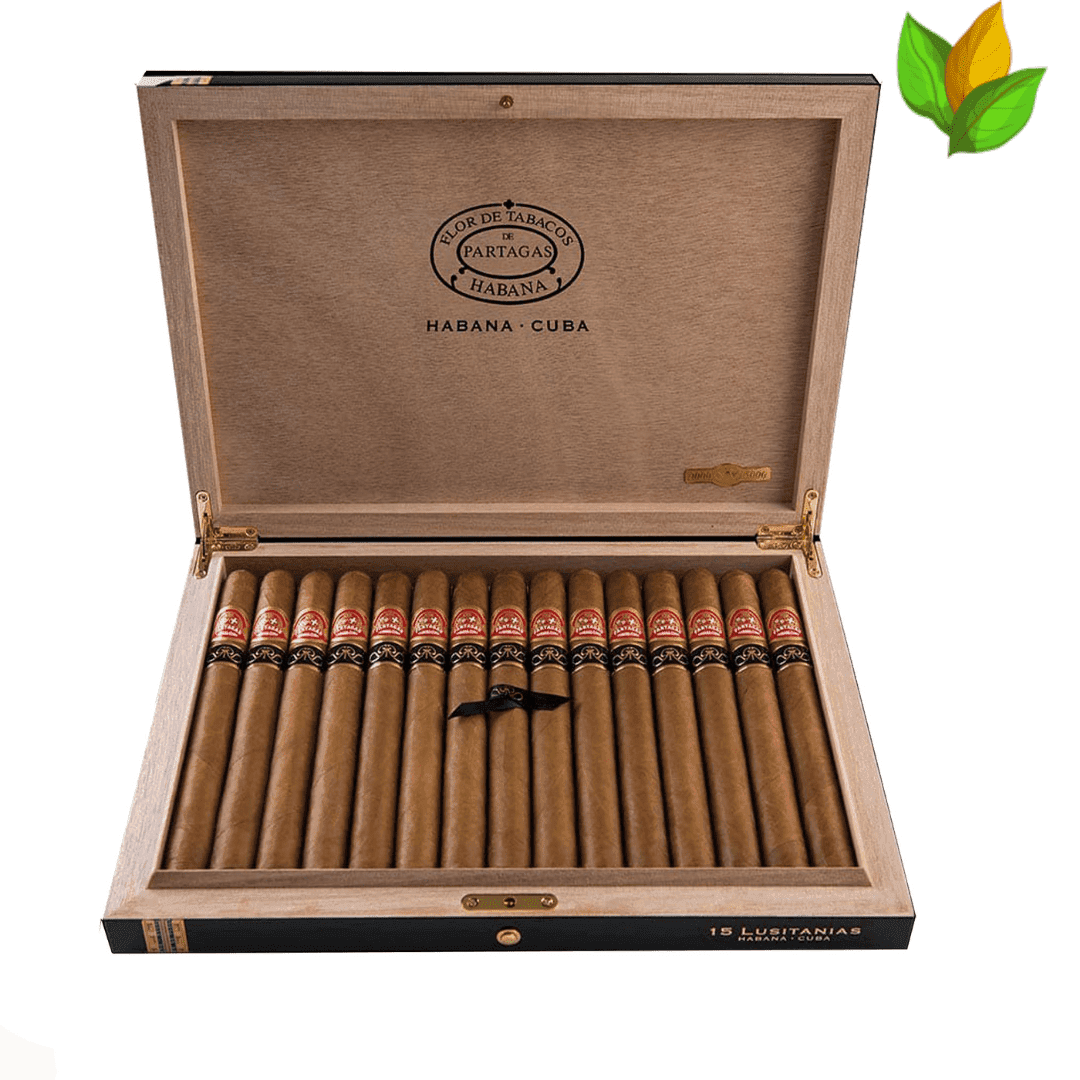
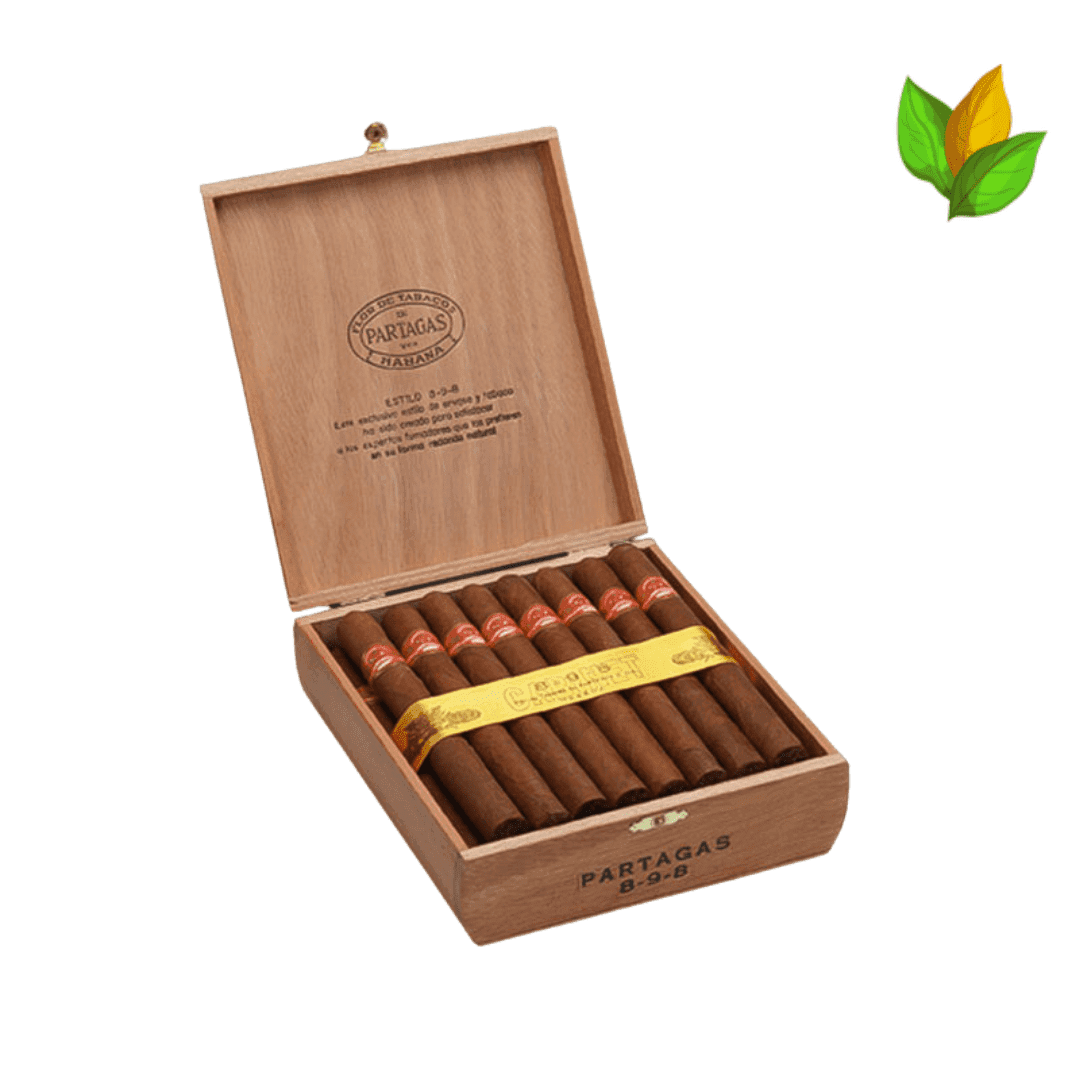
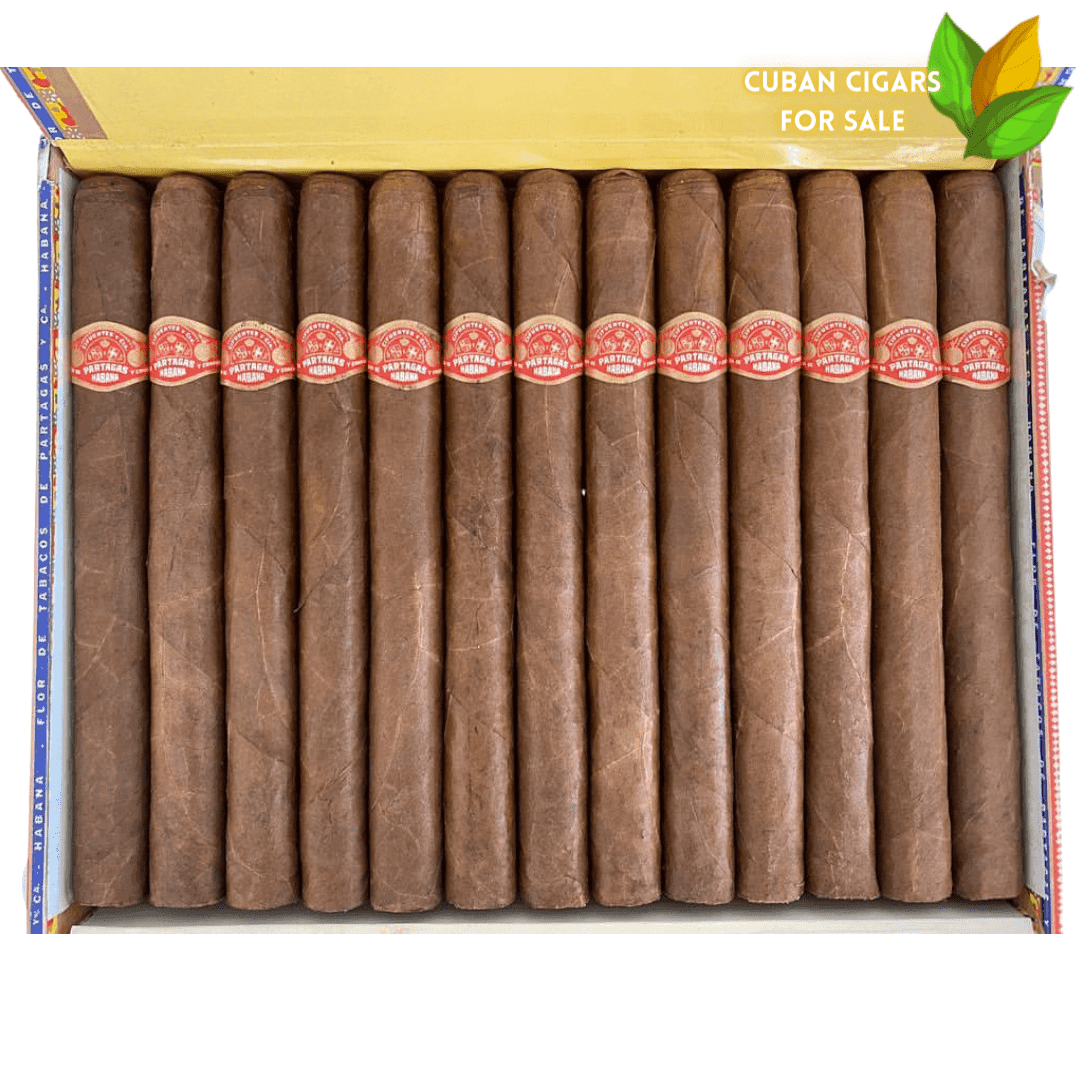
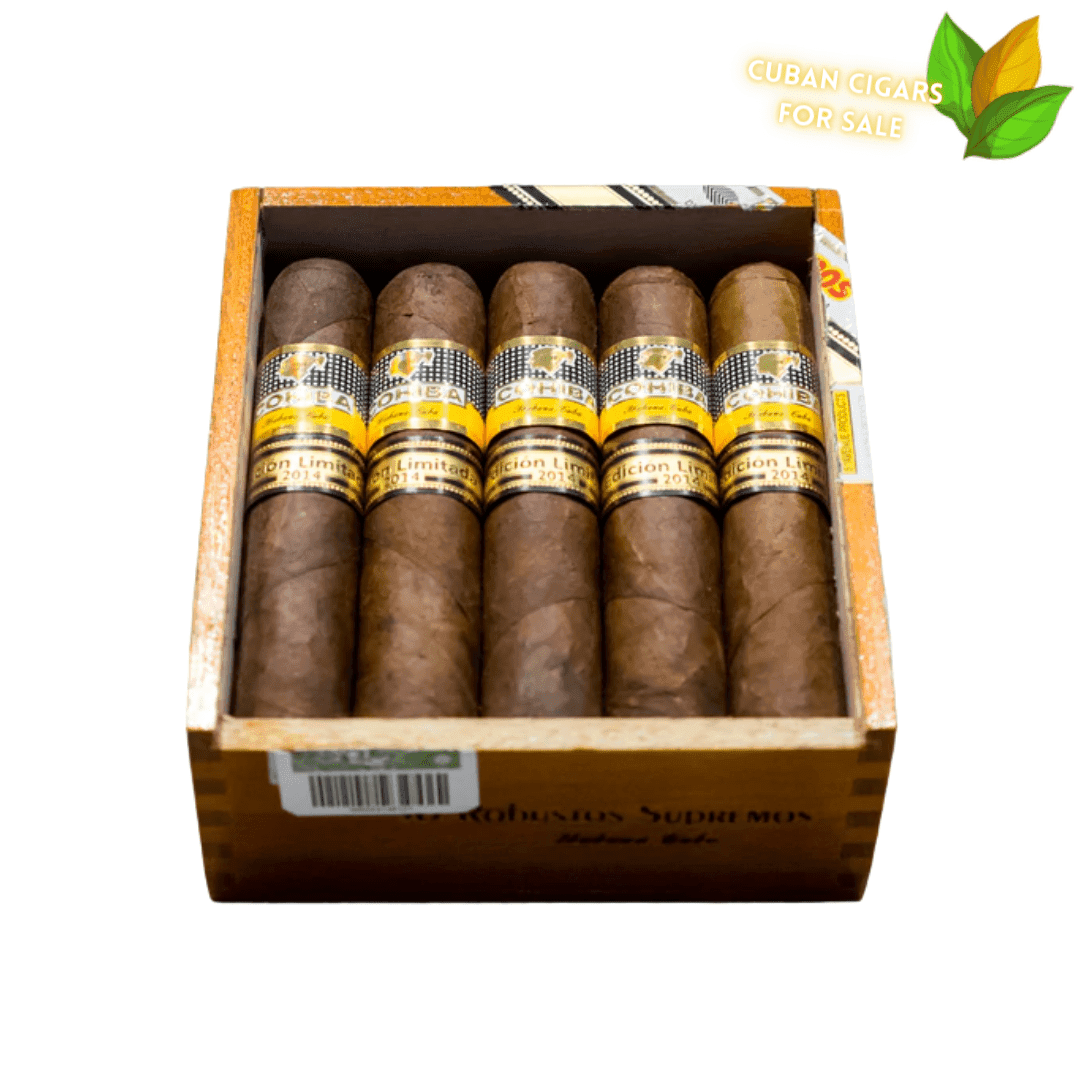
Within the storied universe of Cuban tobacco heritage, certain objects transcend their utilitarian origins to become genuine artifacts of cultural significance. The Partagás Assorted Humidor stands as a remarkable testament to an era when Cuban cigar makers balanced artisanal craftsmanship with industrial innovation, offering enthusiasts a window into the golden period of island-based tobacco production. This exceptional collection packaged multiple vitolas together, creating a comprehensive survey of one brand's diverse capabilities during a transformative time in the industry's history.



Historical Context and Cultural Importance
The origins of this special humidor predate the significant changes that reshaped Cuba's tobacco landscape in the early 1960s. Emerging during a period often celebrated as the golden age of Cuban cigar manufacturing, the assortment represented Partagás's ambition to present its full range within a single, impressive presentation. The brand maintained this offering throughout the 1960s, though production eventually ceased during the following decade, leaving the release as a finite chapter in the company's narrative.
For modern collectors, the humidor embodies more than smoking pleasure—it captures the spirit of an era when Cuban cigar factories operated with a unique blend of traditional techniques and emerging manufacturing technologies. The decision to include both handcrafted and machine-made vitolas within one package reflected the commercial realities and creative aspirations of the period, offering customers both accessibility and premium options.
Packaging and Presentation Details
The collection arrived housed within an elegant presentation that emphasized both practicality and aesthetic appeal. Four individual dress boxes formed the core of the offering, each carefully constructed to maintain optimal humidity conditions for the cigars within. With twenty-five cigars per box, the complete humidor contained exactly one hundred specimens, providing enthusiasts with an extensive opportunity to explore the brand's various formats.
Every cigar in the assortment featured the signature Partagás band, creating visual consistency across the diverse selection. This attention to brand identity ensured that even as smokers experienced different sizes and construction methods, they remained connected to Partagás's established reputation and quality standards.
Individual Vitola Characteristics
The assortment showcased four distinct sizes, each with its own personality and smoking profile. The selection included formats ranging from slender to medium-bodied, allowing for varied smoking experiences depending on time availability and preference.
- Besadoras (Machine-made): This delicate, slim vitola measured 127 millimeters in length with a 29 ring gauge, weighing approximately 3.69 grams. Its compact format delivered a refined smoking session suitable for those seeking a shorter, lighter experience.
- Charlottes (Handmade): Also known by its factory designation Carlotas, this handcrafted option stretched to 143 millimeters (5⅝ inches) with a 35 ring gauge and weighed around 6.39 grams. It occupied a middle ground between slender and traditional proportions.
- Coronas Grandes (Handmade): The largest specimen in the collection measured 155 millimeters (6⅛ inches) with a 42 ring gauge, tipping the scales at approximately 10.14 grams. This classic corona gorda format represented the traditional dimensions that dominated much of the era's popular smoking culture.
- Petit Corona Especiales (Machine-made): Despite its modest 132-millimeter (5¼-inch) length, this vitola featured a substantial 44 ring gauge and weighed roughly 8.74 grams. It carried the historic factory name Eminentes, connecting it to the brand's longstanding production traditions.
Collectibility and Contemporary Significance
Today, the Partagás Assorted Humidor commands serious attention from collectors specializing in vintage Cuban tobacco artifacts. Its pre-1960 heritage, combined with the limited production window spanning through the 1970s discontinuation, has transformed the release into a scarce commodity. The combination of multiple construction methods within one package adds further interest, documenting how Cuban factories once served diverse market segments simultaneously.
Serious enthusiasts prize these humidors not merely for potential smoking enjoyment but as historical documents illustrating brand strategy, manufacturing capabilities, and consumer preferences during a pivotal period. The variety within each box—spanning both machine and handcrafted techniques—offers researchers insights into production practices that would later evolve or disappear entirely from Cuba's tobacco industry.
The Partagás Assorted Humidor remains a fascinating intersection of commercial ambition, technical achievement, and cultural heritage, continuing to intrigue those who appreciate the rich tapestry of Cuban cigar history.