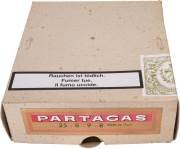
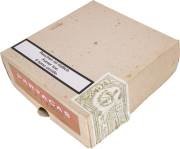
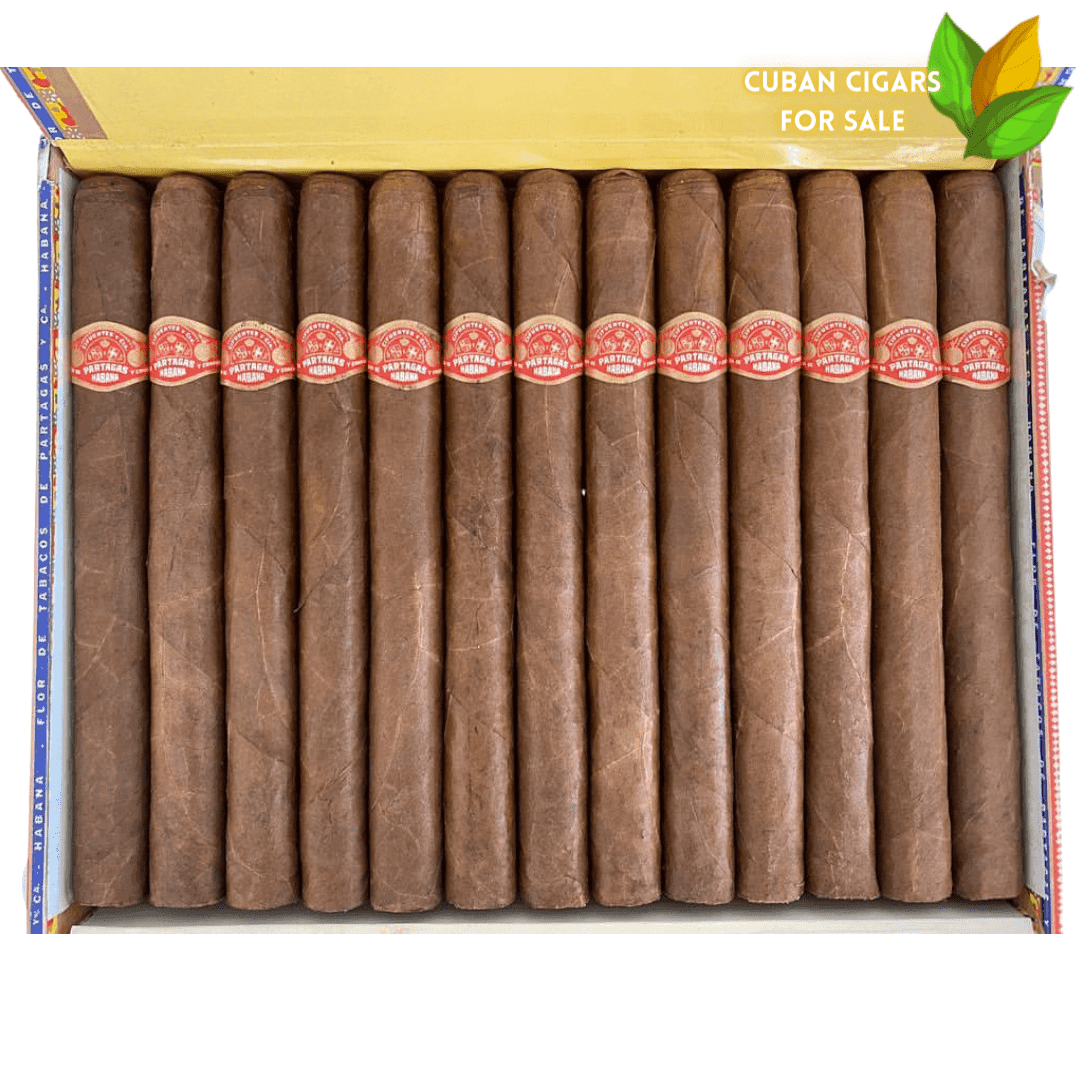
For the serious collector of Cuban tobacco, few discoveries are as thrilling as locating a well-preserved box of the Partagás 8-9-8 (1). This cigar, which has long since ceased production, stands as a monument to a bygone era of Havana's manufacturing history. It is frequently distinguished by its evocative nickname, the "unvarnished" variant, a title that immediately signals its specific identity to knowledgeable aficionados. While the Partagás brand remains a titan in the industry, this specific regular production offering creates a bridge to the past, representing a format and presentation style that has largely faded from modern shelves.

Decoding the Numerical Name
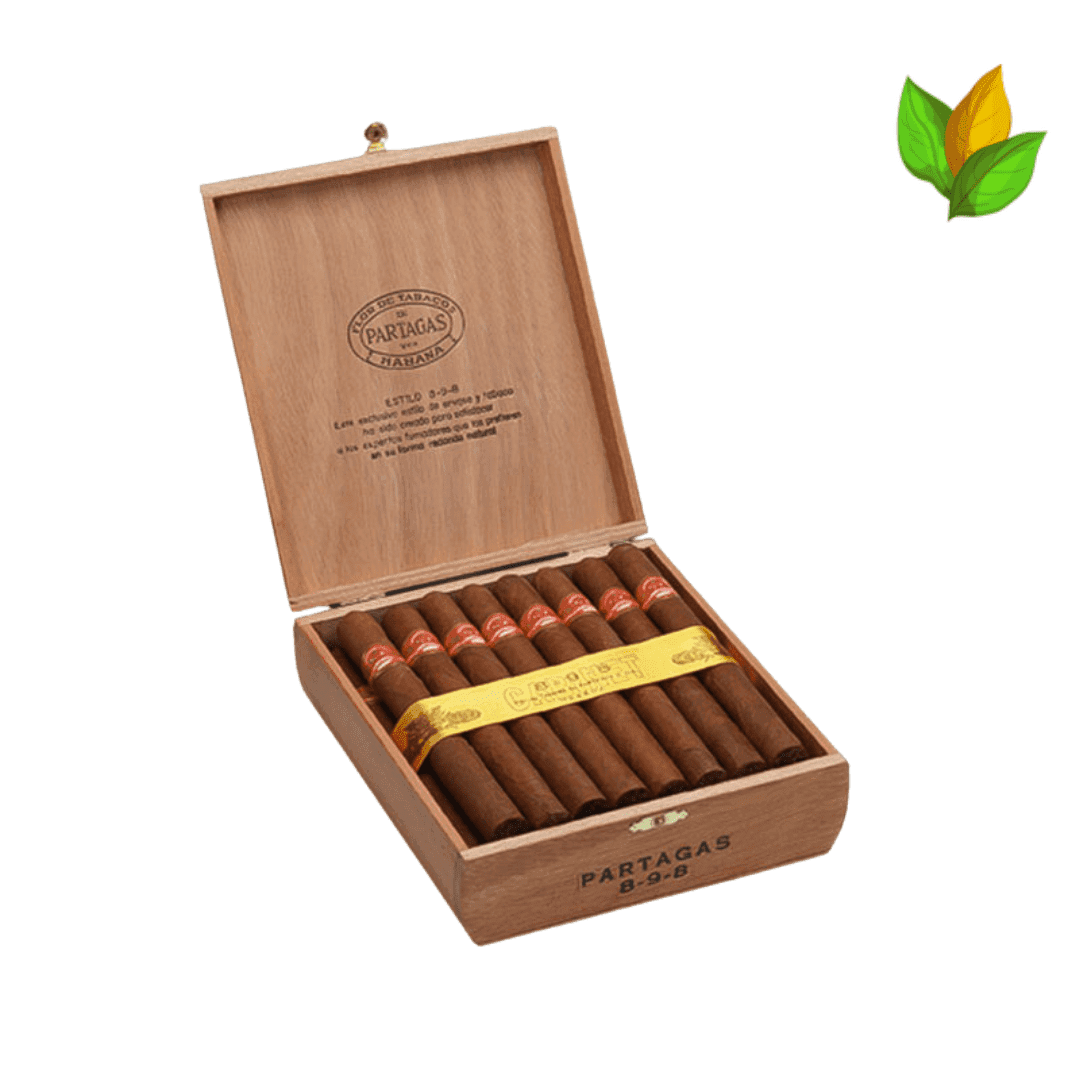
The intriguing designation of "8-9-8" is not merely a model number, but a literal description of the cigar's presentation within its container. This traditional packing method, which traces its roots back to the 19th century, arranges the cigars in three distinct layers. The bottom and top layers hold eight cigars, while the center row holds nine, allowing for a tight, secure fit that prevents movement and damage during transit. This method of boxing was once a standard of elegance, though it is seen far less frequently in today's market.
The "(1)" added to the name serves a critical purpose for identification. Partagás has produced various iterations of the 8-9-8 line over the years. The specific "Unvarnished" label was applied to this version to differentiate it from other family members, most notably the "8-9-8 Varnished" (or Encendedores). While its counterparts came in glossy, lacquered boxes, this particular release featured a simpler, more rustic presentation that appealed to traditionalists. This distinction is vital for collectors attempting to verify the authenticity and provenance of a specific box.
A Forty-Year Journey from Pre-Revolution to Modernity
The lifespan of the Partagás 8-9-8 (1) is remarkable, spanning a tumultuous period in Cuban history. Originally released prior to 1960, the cigar survived the transition of the revolution and remained in regular production for over four decades. It was not until the year 2002 that Habanos S.A. decided to discontinue the line, ending a run that had cemented the cigar's status as a staple of the brand's portfolio.
This longevity means that surviving stock offers a snapshot of tobacco from different eras. A box from the 1980s will taste distinctly different from one rolled in the late 1990s, providing a unique vertical tasting experience for those lucky enough to find them. The discontinuation has transformed what was once an everyday smoke into a sought-after rarity, driving a thriving secondary market for vintage boxes.
Technical Specifications and Construction
At the heart of this cigar lies the "Coronas Grandes" vitola, a format that delivers a substantial yet elegant smoking session. Hand-rolled using traditional techniques, the cigar exemplifies the robust craftsmanship for which the Partagás factory is world-renowned. The construction is finished with the standard "Band A" logo, the classic red-and-gold emblem that signifies the brand's heritage.
For reference, the specific measurements of the Partagás 8-9-8 (1) are as follows:
- Factory Vitola: Coronas Grandes
- Length: 155 mm (6 1/8 inches)
- Ring Gauge: 42
- Official Weight: 10.14 grams
- Packaging: Cabinet-style box containing 25 cigars arranged in 8-9-8 layers
The Flavor Profile of a Discontinued Classic
True to the Partagás DNA, the 8-9-8 (1) is celebrated for delivering a rich, full-bodied experience. The Coronas Grandes format allows for a generous burn time, giving the smoker ample opportunity to explore the complexity of the blend. Expect the signature earthiness and spice that define the brand, often accompanied by notes of cedar, dried fruit, and a distinct mineral quality that ages beautifully over time.
Because production ceased over two decades ago, the remaining cigars have undergone significant aging. The "unvarnished" box presentation allows for a unique interaction between the wood and the tobaccos, often resulting in a smoother, more nuanced profile than when they were fresh off the rolling table. For the modern enthusiast, finding an original box is not just a purchase; it is an investment in a sensory history lesson that can no longer be replicated.