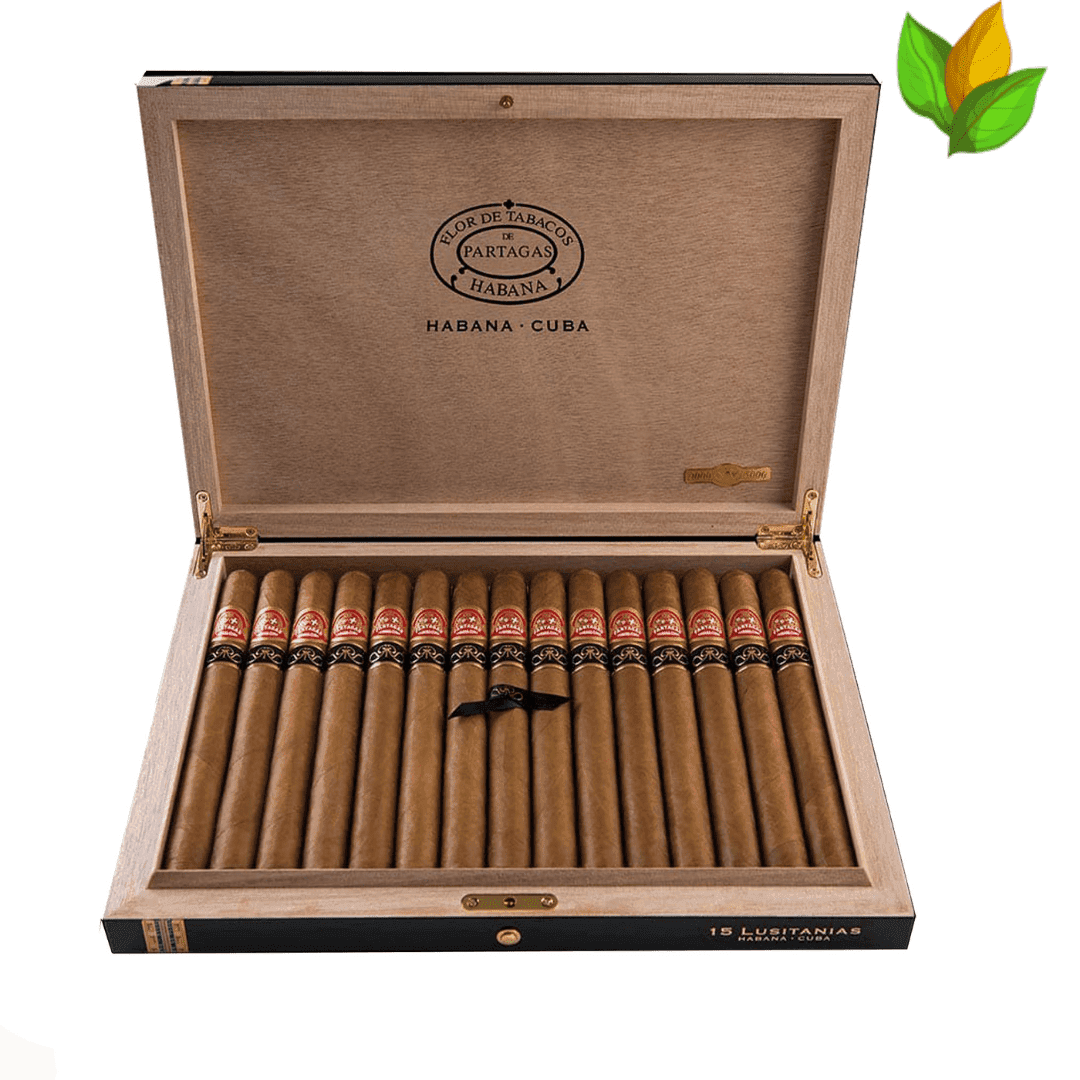
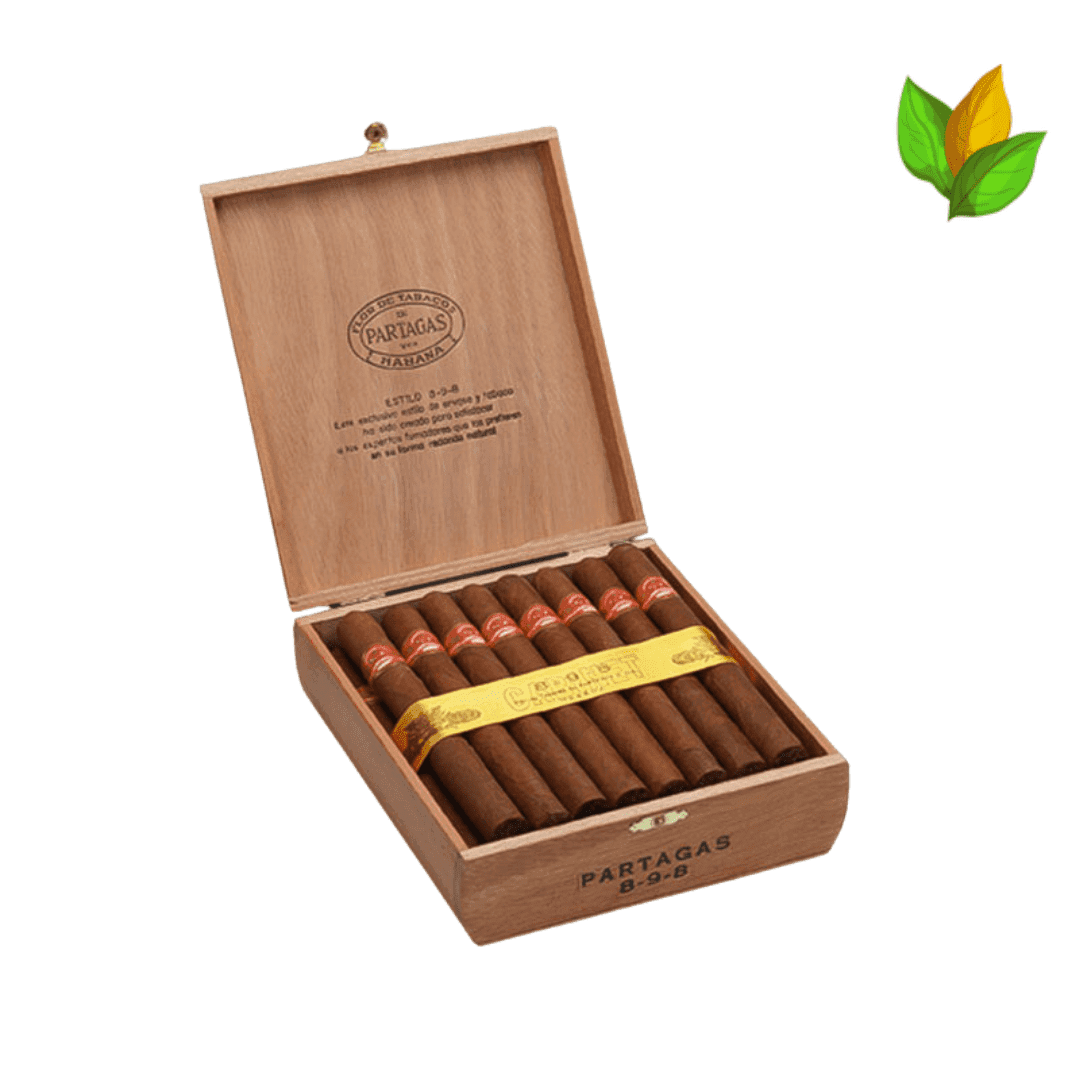
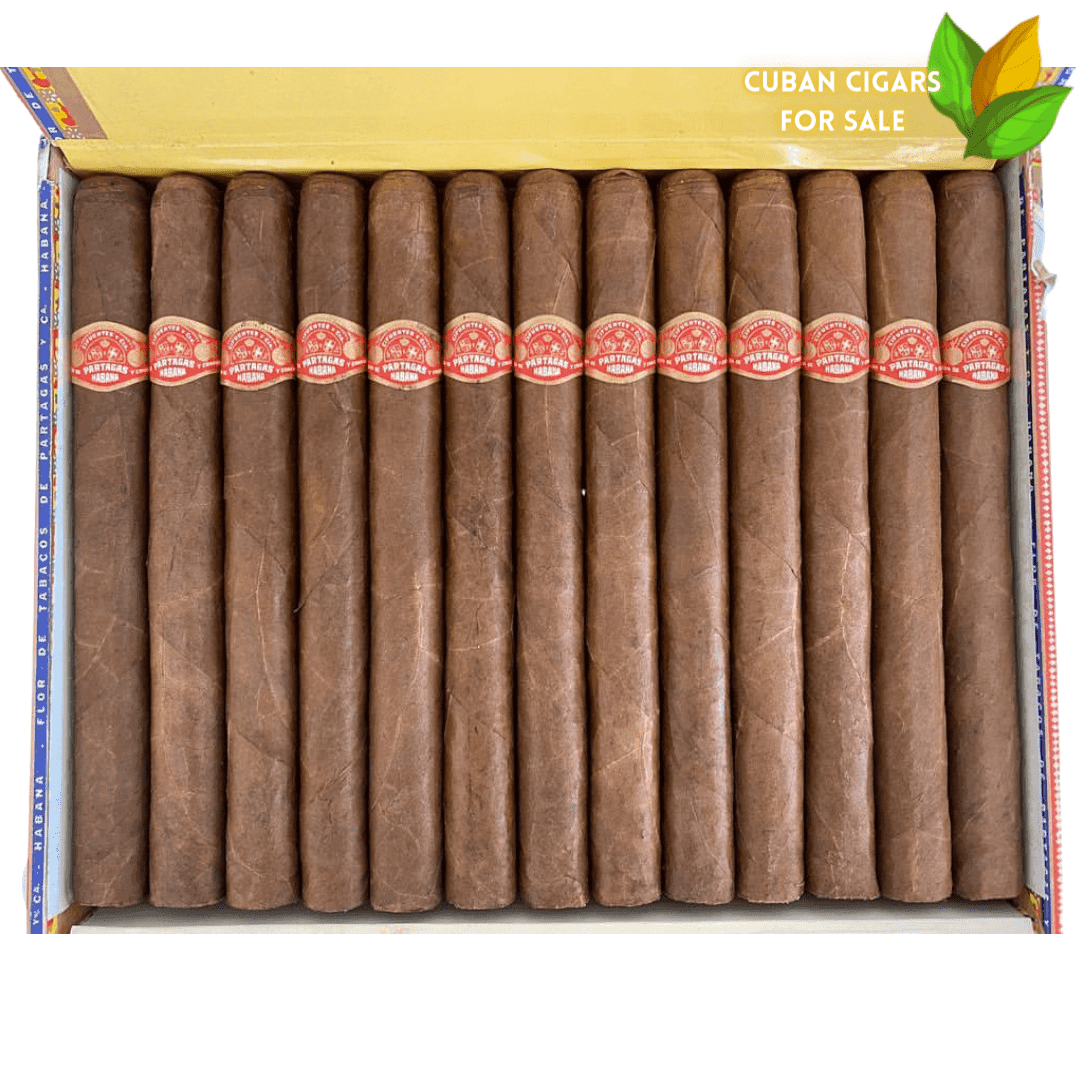
For the discerning aficionado, the paper ring encircling a premium Havana is far more than a mere decoration; it is a historical artifact that tells the story of the brand's evolution. Nowhere is this more evident than with Partagás, a house renowned for its rich flavor and equally rich heritage. By examining the subtle shifts in typography, embossing, and layout, collectors can unlock the secrets of a cigar's age, transforming a simple smoking experience into a lesson in Cuban history.







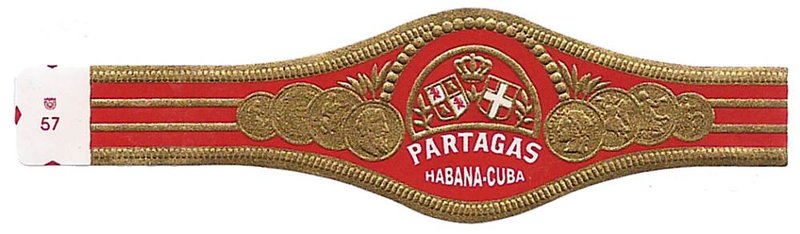
The Evolution of Standard Production Rings
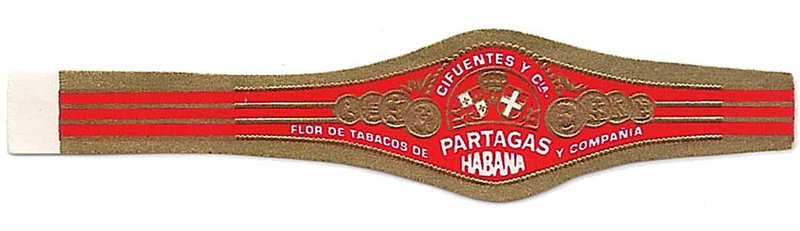
The visual identity of Partagás has largely been defined by two primary designs used during the modern industrial era. These standard rings serve as the baseline for dating inventory, with distinct periods marking significant changes in manufacturing and branding strategy.
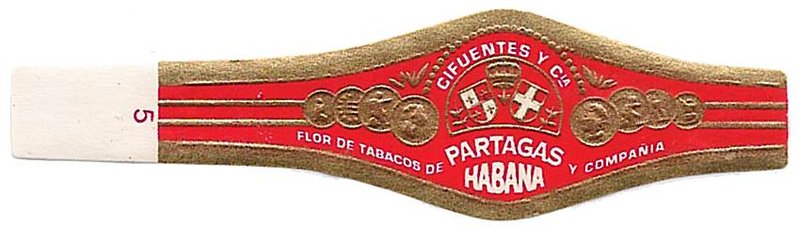
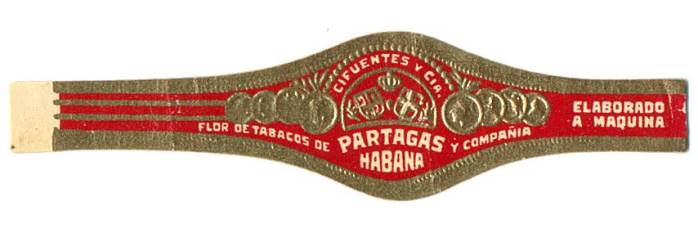
The first of these, known among collectors as Standard Band A, enjoyed a remarkably long tenure. Originating in the pre-1960s era, this design persisted for decades, eventually phasing out around 2002. Its defining characteristic was a classic embossed finish that became synonymous with the brand's traditional image.
However, the transition into the new millennium brought subtle adjustments. Between roughly 2002 and 2008, a variation of the first design appeared. While it retained the familiar embossing, a modification in the positioning of the text signaled a brief transitional phase. This specific variation is a key marker for authenticating cigars produced during that narrow window of time.
The most significant visual overhaul arrived in the 2007/2008 period with the introduction of Standard Band B. This design, still currently in use, updated the brand's look while maintaining the embossed elegance of its predecessors. The shift from Band A to Band B represents a clear line of demarcation for modern collectors, distinguishing the contemporary output from the vintage stock of the 20th century.
Commemorative and Limited Series Designs
Beyond the standard fare, Partagás has frequently released special rings to celebrate milestones or launch exclusive lines. These bands are often highly sought after, distinguishing specific releases from the regular production items found in humidors worldwide.
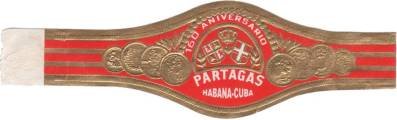
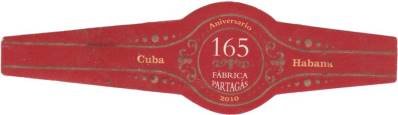
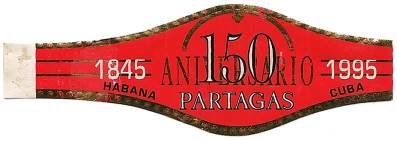
The brand has honored its longevity through specific anniversary rings. Notable examples include the 165 Aniversario and the 160 Aniversario bands, as well as the 510 Aniversario design. These rings act as visual timestamps, commemorating specific eras in the factory's history.
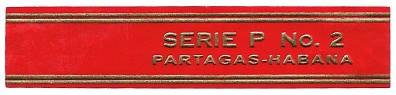
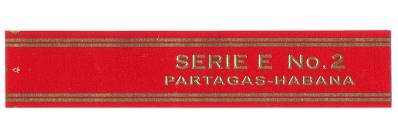
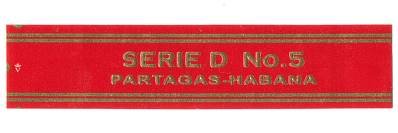
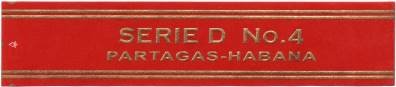
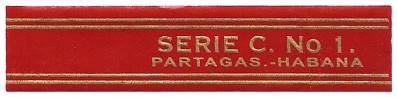
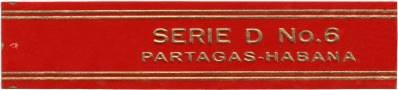
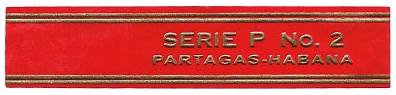
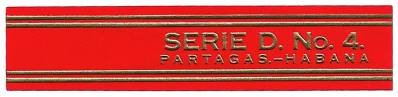
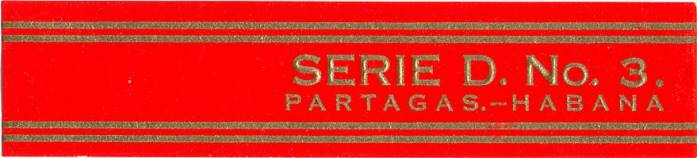
Perhaps the most coveted designs belong to the Partagás Serie line. This series introduced a complex hierarchy of rings that denote specific blends and sizes. Enthusiasts look for the distinct rings associated with the Serie C No.1 and the various Serie D iterations, which include the D Especial, No.1, No.3, No.4, and No.5. The series also encompasses the Serie E No.2 and the Serie P No.1 and No.2. Each of these bands signifies a unique smoking profile, making ring identification essential for the serious collector.
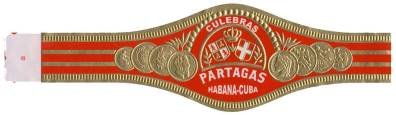
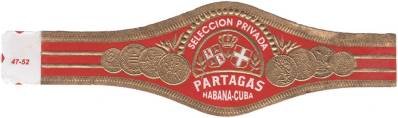
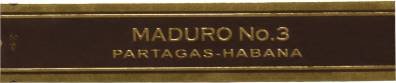
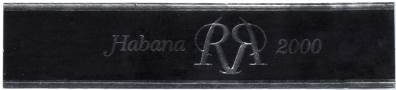
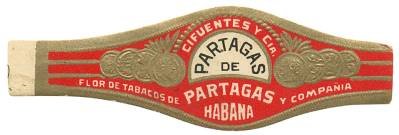
Other unique releases have featured their own bespoke branding. The Early Partagás de Partagás, the Selección Privada, and the Reserva Cosecha 2000 all sport unique rings. Additionally, specialty sizes like the Special Culebras and the Special Maduro No. 3 require distinct visual identifiers to separate them from standard offerings.
Early Craftsmanship and Vintage Aesthetics
Delving into the first half of the twentieth century, one discovers a time when branding was far more bespoke. The earliest rings demonstrate a level of craftsmanship and attention to detail that reflected the premium nature of the product. During this era, the concept of a "standard" band was less rigid; instead, specific vitolas often received their own custom-designed rings.
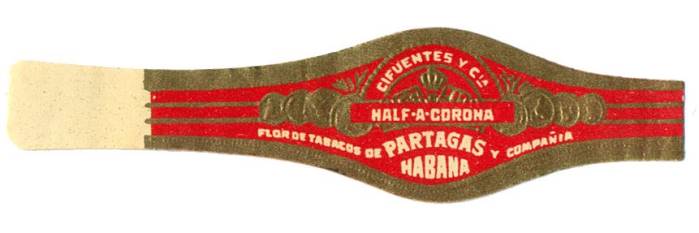
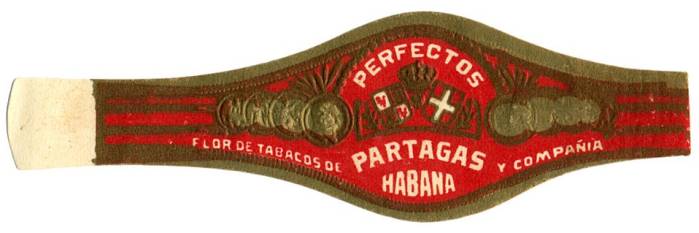
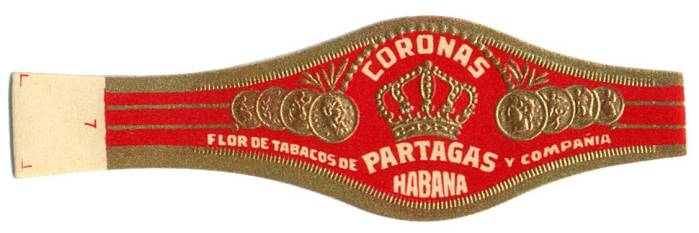
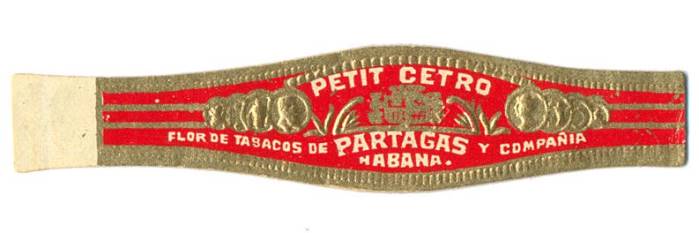
These early custom rings are categorized by type and the specific cigar size they adorned. For instance, the Type 1 custom band was specifically created for Coronas and is believed to originate from the pre-1950s era. Similarly, the Type 2 design was paired with the Petit Cetro during the early production period. Other distinct designs include the Type 3 for Perfectos and the Type 4 for the Half-a-Corona. These vintage rings offer a window into a time when visual branding was intimately tied to individual cigar shapes, providing a rich field of study for historians and collectors alike.