
In the shadow of Cuba's most celebrated tobacco houses, smaller brands have quietly written their own chapters in the island's rich cigar-making narrative. Among these lesser-known names stands La Flor del Caney, a label that offers collectors and historians a unique glimpse into a specific moment in Cuban cigar production. Though it never attained the worldwide fame of Habanos mainstays, this brand carries its own quiet distinction rooted in the geography and traditions of southeastern Cuba.
The Origins Behind the Name
The name La Flor del Caney carries poetic weight, translating directly to "The Flower of Caney." This designation pays homage to the Caney region, situated in the southeastern portion of the island. Long before cigars carried brand names across oceans, the Caney area had already earned recognition among tobacco cultivators for its exceptional growing conditions. The soil composition in this zone, combined with the local climate patterns, created an environment particularly well-suited for developing premium wrapper and filler tobaccos. When the brand adopted this evocative title, it positioned itself as a product of its terroir—a direct reflection of the land that produced its leaves. This geographical connection distinguishes La Flor del Caney from many contemporaries that chose names arbitrarily or followed naming conventions inspired by European traditions.
Production Timeline and Band Characteristics
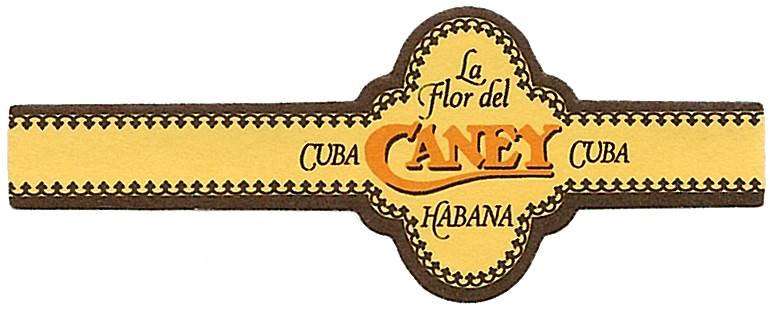
The Standard Band A represents the primary identifying feature associated with La Flor del Caney production. This particular band variant was introduced around 1980 and remained in use throughout the remainder of that decade. The timeframe places these cigars squarely within a specific era of Cuban manufacturing, when certain aesthetic and production standards defined the industry. Unlike some premium brands that incorporated elaborate embossing, detailed metallic elements, or complex printing techniques, the Standard Band A presented a more restrained appearance. The absence of embossing reflects both the economic considerations and design philosophies of the period. Production continued until the brand was ultimately discontinued, leaving behind a finite window during which these cigars were rolled and distributed. This limited availability has contributed to the item's current status among certain enthusiast circles.
Position Within Cuban Cigar Heritage
While La Flor del Caney never challenged the dominance of internationally recognized names such as Cohiba, Montecristo, or Romeo y Julieta, its place in Cuban cigar history remains legitimate and worthy of documentation. The brand embodies how the Cuban cigar industry extended beyond its flagship products to include numerous regional and specialty offerings. These lesser brands often reflected local preferences, utilized tobacco from specific growing zones, or served particular segments of the domestic market. The Caney region's reputation for quality tobacco cultivation lent credibility to any product bearing its name. Collectors who study the full spectrum of Cuban cigar production recognize that understanding these niche brands provides essential context for comprehending the industry as a whole. The historical record would be incomplete without acknowledging contributions from labels that, while not universally famous, nonetheless represented genuine craftsmanship and regional identity.
Contemporary Collectibility and Legacy
Today, La Flor del Caney cigars occupy a specialized corner of the vintage Cuban cigar market. Serious collectors occasionally encounter examples from the 1980s production period, typically identifiable through their Standard Band A designation. These specimens appeal primarily to enthusiasts pursuing comprehensive documentation of Cuban cigar evolution rather than those seeking the most prestigious or valuable pieces. The brand's relative obscurity actually enhances its appeal for certain collectors who value the thrill of acquiring genuinely rare items. Maintaining awareness of labels like La Flor del Caney ensures that the broader story of Cuban cigar manufacturing remains accessible and accurately represented. As the industry continues producing exceptional cigars under various marques, the historical contributions of discontinued brands warrant preservation and recognition.