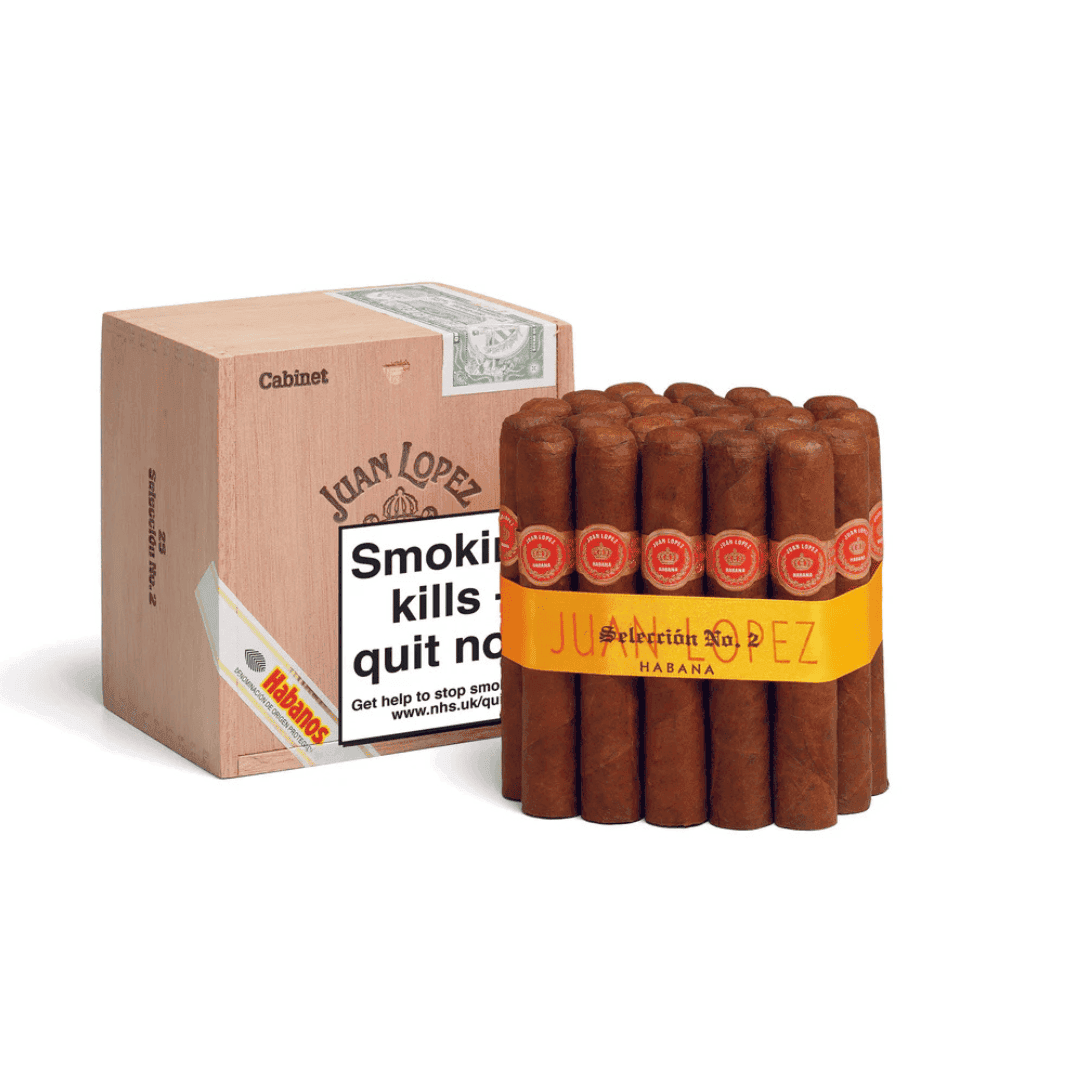
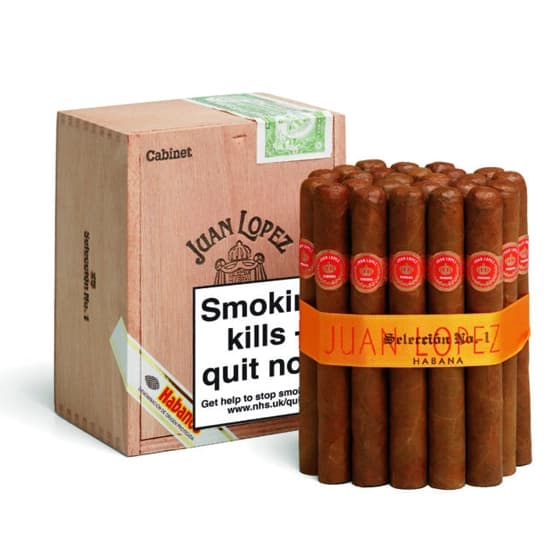
When a slender, hand‑rolled cylinder appears in a collector’s humidor, it carries more than smoke—it holds a fragment of Cuba’s tobacco saga. The Juan López Titanias is one such relic, a vintage Corona that once rolled off Havana’s historic benches and now commands reverence among connoisseurs. Though it vanished from regular production decades ago, its legacy endures in the stories whispered over a well‑aged stick.

Origins and Market Era
Long before the world witnessed the sweeping changes of the Cuban Revolution, the Titanias emerged on the market. Its first appearance predates 1960, placing it squarely within the pre‑revolutionary era of Cuban cigar manufacturing. The brand, Juan López, had already established itself as a hallmark of quality, and the addition of the Titanias solidified that reputation. Production continued through the turbulent 1960s, a period marked by rapid transformation within the island’s tobacco industry, before the line was finally retired sometime in the 1970s. This brief but notable tenure means the Titanias occupies a unique niche—neither an obscure experiment nor a mainstream staple, but a fleeting chapter in Juan López’s storied catalog.
Technical Profile
The Titanias is built on a classic Corona silhouette that aficionados of the mid‑20th century adored. Its modest dimensions deliver a balanced smoking session, allowing the filler’s complexity to unfold without demanding an extended commitment.
- Length: 110 mm (approximately 4 ⅜ inches)
- Ring Gauge: 40
- Weight: 6.37 g
- Construction: Handmade
- Band: Standard Juan López band
- Packaging: Dress box containing 25 cigars
- Status: Discontinued from regular production
- Release Window: Pre‑1960 through the early 1970s
These specifications place the Titanias firmly in the “Corona” vitola class, a shape prized for delivering nuanced flavors in a relatively short smoking window.
The Smoking Experience
Imagine the first draw of a well‑preserved Titanias: the wrapper yields a faint aroma of cedar, dried fruit, and a whisper of earth that hints at the terroir of the Vuelta Abajo fields. As the smoke curls upward, a medium‑body profile emerges, weaving notes of roasted nuts, subtle cocoa, and a delicate spice that lingers on the palate. The burn is typically even, thanks to the meticulous hand‑rolling technique that characterized Cuban factories of the era. Despite its modest ring gauge, the cigar manages to produce a surprisingly rich smoke, a testament to the blend’s craftsmanship and the quality of the long‑filler tobacco used.
Because the Titanias has spent years in a humidor, the aging process can soften any harsh edges, unveiling deeper complexities that younger cigars often lack. Enthusiasts who have had the fortune to sample surviving specimens often describe layers of honeyed sweetness intertwined with a faint leather finish, making each puff a journey through time.
Collectibility and Market Value
Today, the Juan López Titanias is a prized acquisition for serious collectors. Its production run spanned less than two decades, and the brand never revived the line after the 1970s, meaning original boxes are scarce. When a sealed dress box of 25 surfaces at auction or in a specialty shop, it can command a premium far beyond its original price point. The appeal lies not only in the cigar’s historical significance but also in its ability to deliver a taste of mid‑century Cuban blending traditions.
Prospective buyers should verify provenance and storage conditions, as the quality of an aged cigar hinges on proper humidity and temperature control. A well‑maintained Titanias can be a living piece of history, offering a smoke that evokes a vanished era of Havana’s tobacco houses.