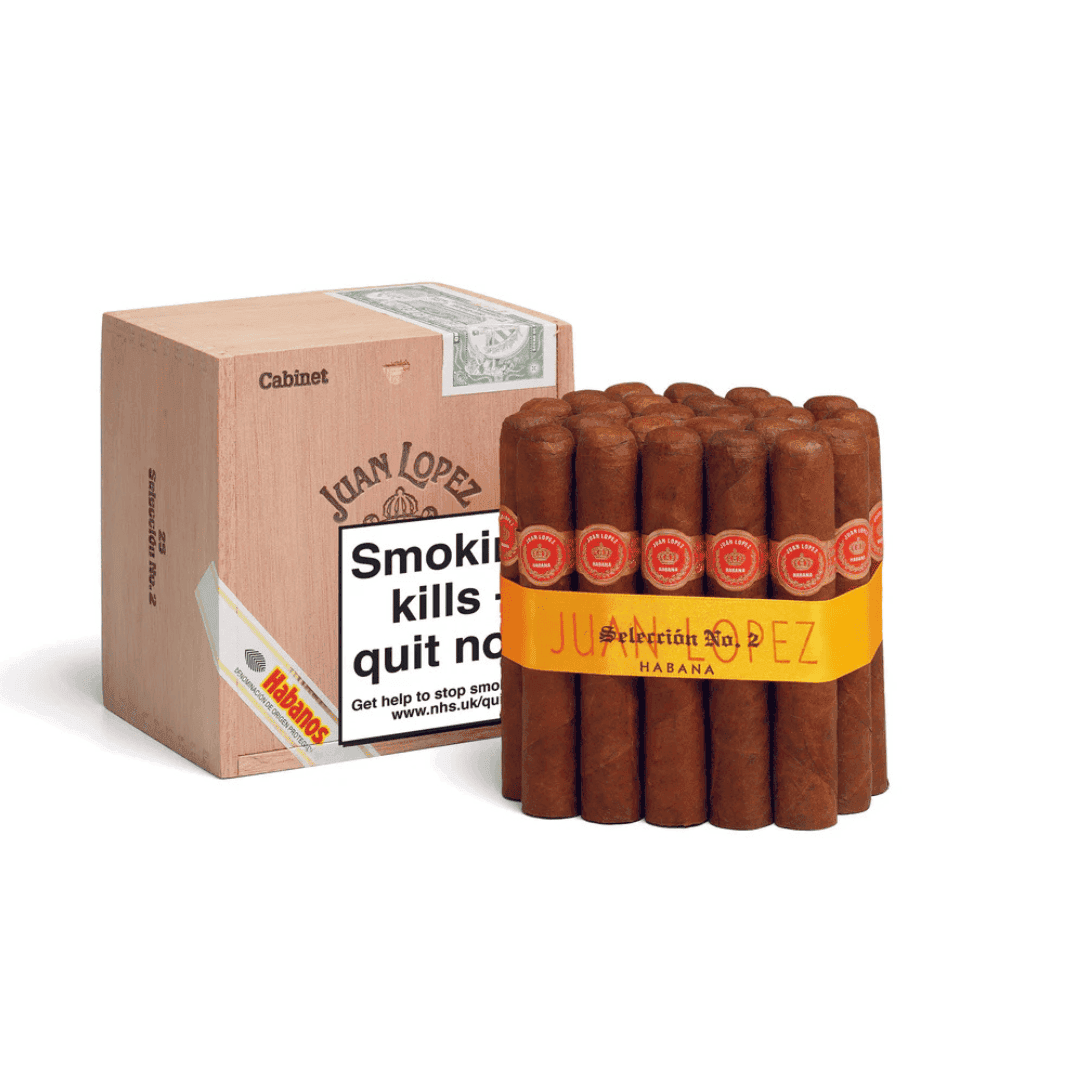
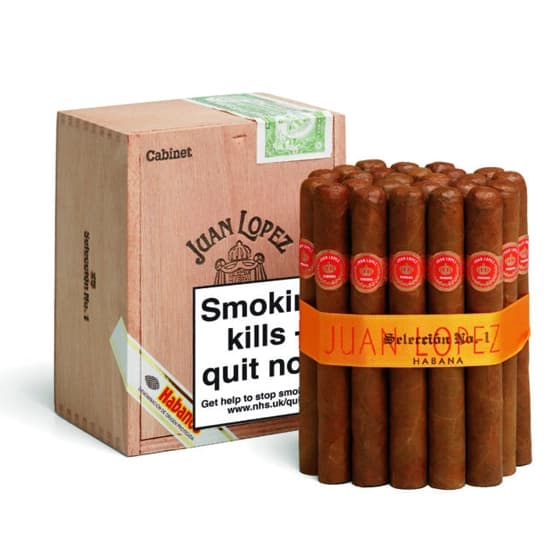
For the serious aficionado, few things hold as much mystique as a Cuban cigar that has vanished from production, existing only in the humidors of collectors and the pages of history. The Juan López Patricias is precisely such a cigar—a phantom of the industry that represents a bygone era of Havana’s tobacco heritage. While the Juan López brand remains respected today, this specific vitola stands as a monument to the past, offering a glimpse into the classic profile that defined Cuban smokes before the modern era of heavy ring gauges and aggressive marketing.

Historical Significance and Origins
The story of the Patricias is deeply rooted in the golden age of Cuban cigar manufacturing. As a pre-1960 release, this cigar was born during a transformative epoch in Havana, a time when the industry was shifting from its entrepreneurial roots to a centralized, state-run model. The fact that it survived for decades after the revolution speaks to its enduring popularity and the quality of its blend.
However, all good things must come to an end. After a production run spanning over four decades, the decision was made to cease production of the Patricias in 2002. This discontinuation removed a classic option from the market, leaving only existing inventory to circulate among enthusiasts. Today, finding a box is akin to uncovering a time capsule, offering a taste of tobacco processing and blending techniques that have subtly shifted over the last twenty years.
The Franciscanos Vitola
One of the most distinctive aspects of this cigar is its dimensions. In the factory, the size was known by the evocative name "Franciscanos." This moniker refers to a specific format that has largely fallen out of favor in the modern marketplace, which is currently dominated by thick Robustos and Gorditos.
The Patricias measured a slender 40 ring gauge (roughly 16mm in diameter) and stretched 116 mm (approximately 4⅝ inches) in length. This profile creates a markedly different smoking experience compared to wider cigars. A thinner ring gauge concentrates the flavor profile, forcing the smoker to contend with the wrapper leaf's influence much more directly than the filler. It is a format that rewards complexity and nuance over brute strength, allowing for a balanced expression of the Juan López blend.
Technical Specifications
- Factory Name: Franciscanos
- Dimensions: 116 mm (Length) x 40 (Ring Gauge)
- Weight: 6.72 g
- Status: Discontinued (2002)
Construction and Presentation Details
In terms of build quality, the Patricias was a testament to the art of the torcedor (cigar roller). It was entirely handmade, a standard for premium Cuban offerings, ensuring that the draw and combustion were tended to with human precision rather than machine efficiency. The weight was officially clocked at 6.72 grams, a density that suggests a well-packed filler intended to burn slowly and coolly.
Aesthetically, the cigar adhered to the traditional visual language of the brand. It featured the standard "Band A" design—the classic Juan López label that collectors recognize instantly. The cigars were presented in dress boxes of 25, a packaging choice that emphasizes the product's status as a premium consumer good. Opening a box of these would reveal rows of perfectly aligned cigars, their delicate wrappers glowing under the light, promising a session of refined relaxation.
A Collector’s Legacy
Since its discontinuation, the Juan López Patricias has transitioned from a retail staple to a collector's item. The pre-1960 designation adds a layer of historical weight, categorizing it alongside other vintage releases that defined the mid-20th century Cuban export market. For historians and connoisseurs, the disappearance of the Franciscanos size from the regular production lineup highlights a shift in consumer preference toward larger formats.
While the Juan López brand continues to thrive with other active vitolas, the Patricias remains a poignant reminder of the industry's evolution. Finding a well-preserved example today offers more than just smoke; it provides a connection to the specific terroir and curing methods of late 20th-century Cuba. It remains a sought-after piece for those looking to complete vertical tastings or simply experience the elegant, slender profiles that once ruled the world of premium tobacco.