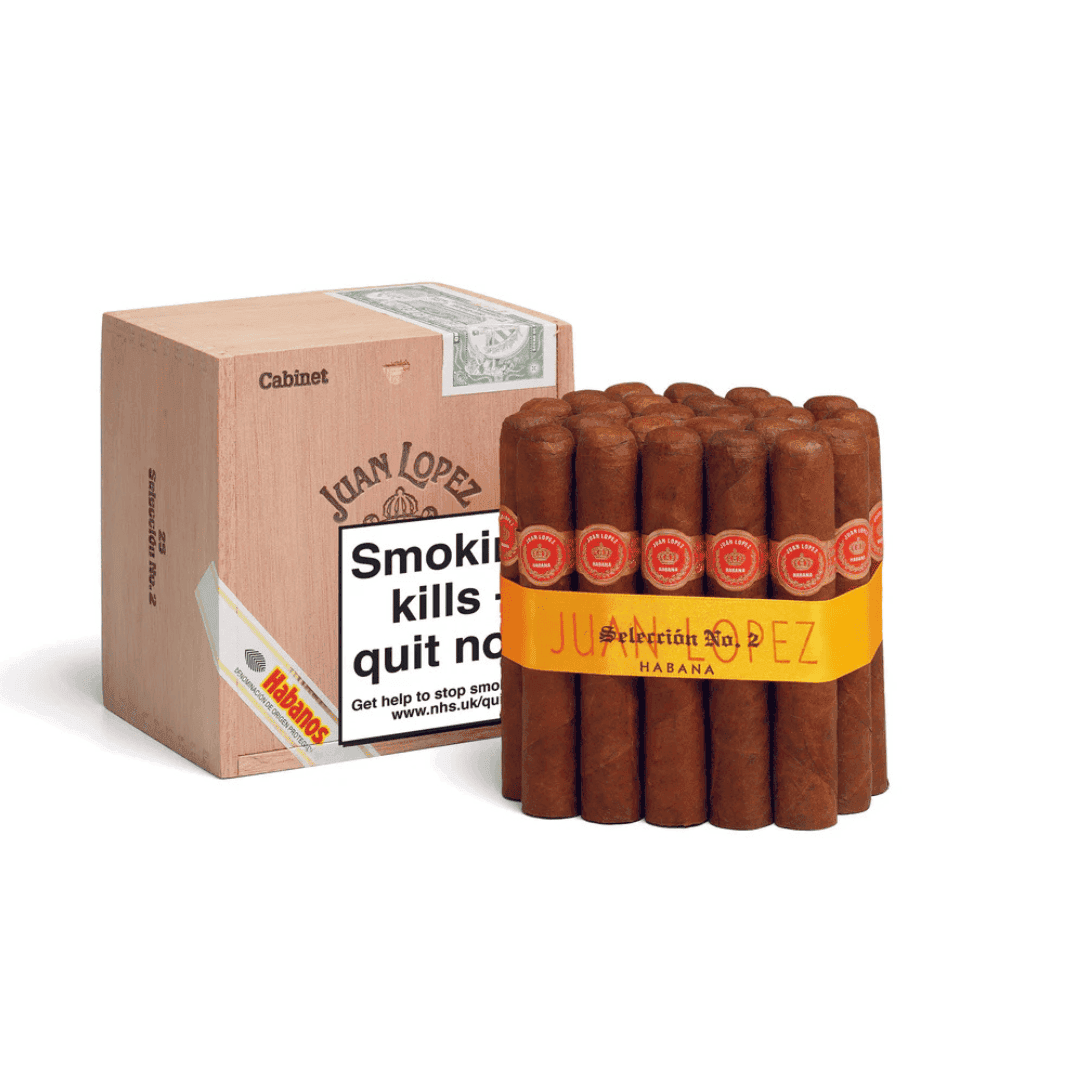
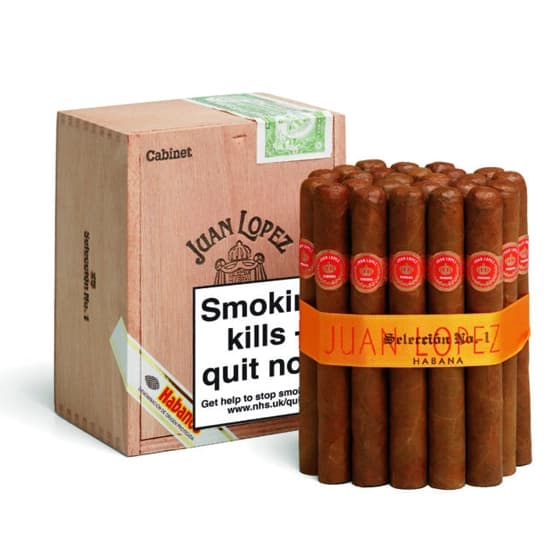
Few Cuban cigar names carry the quiet prestige of Juan López. For decades the marque has drawn aficionados who prize its balanced, medium‑to‑full profile and the meticulous craft behind each stick. While the flavor profile steals headlines, the visual identity—particularly the bands that wrap each cigar—offers a window into the brand’s history, evolution, and the passion of collectors worldwide.
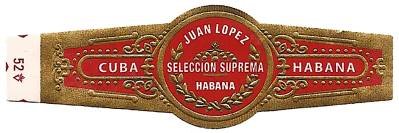
Heritage and Background of Juan López
Juan López emerged from the rich soil of Cuban cigar culture, a time when artisan workshops defined the island’s reputation for excellence. The brand quickly distinguished itself by producing cigars that delivered a smooth yet complex smoke, often featuring a Connecticut‑shade wrapper over Cuban long‑filler. Over the years, the house has maintained a reputation for consistency, making its releases highly sought after by both smokers and investors.
The brand’s history is reflected not only in its blends but also in the visual elements that accompany each vitola. Bands, once merely functional, became canvases for tradition and prestige. Understanding the chronology of these designs helps enthusiasts appreciate the nuances that separate a vintage Juan López from a modern production.
Band Evolution: From Early Custom to Standard Production
Early Custom Band (Pre‑1960)
Before the mid‑20th‑century standardization of Cuban cigar branding, many factories issued cigars with bespoke bands tailored to individual sizes or limited runs. The early custom band for the Petit Corona is a prime example. Crafted before 1960, this band featured an embossed finish that highlighted the intricate typography of the era. Its scarcity makes it a prized find among vintage collectors, as it predates the later, more uniform designs.
Standard Band A (1960s – 2005)
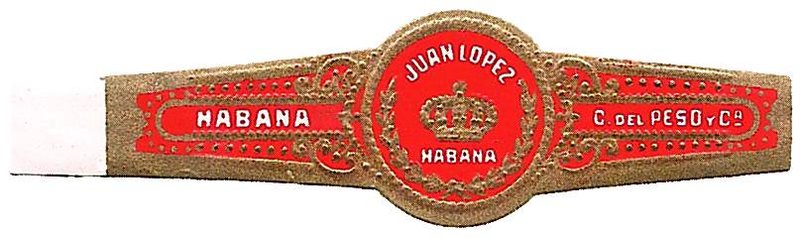
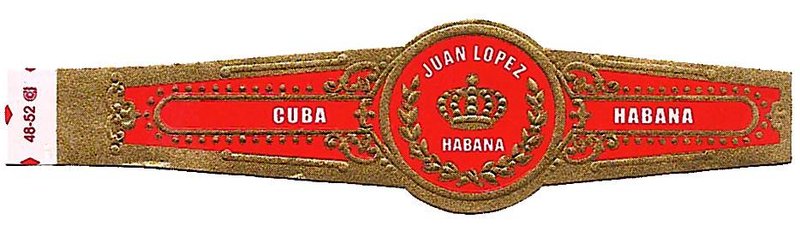
As the Cuban cigar industry moved toward broader consistency, Juan López adopted a more uniform band—referred to here as Standard Band A. This version spanned the late 1960s up to approximately 2005, maintaining the same embossed detailing that collectors admire. The band’s design echoed the aesthetic of the period: bold lettering, a shield motif, and a subtle border that hinted at the brand’s heritage. When the brand transitioned away from this design, many aficionados began to view the older band as a marker of classic Juan López character.
Standard Band B (2005 – Present)
In 2005 Juan López unveiled Standard Band B, a modern update that retained the embossed look but introduced refined typography and a slightly altered color palette. This band remains in use today, signifying the brand’s current production era. While it preserves the embossed texture beloved by collectors, the visual language reflects contemporary branding trends without sacrificing the historic charm of earlier iterations.
Special and Limited‑Edition Bands
Beyond the regular production line, Juan López has released a series of commemorative bands that celebrate milestones, unique vitolas, and artistic collaborations. These limited bands often pay homage to the brand’s heritage while introducing fresh design elements.
Gran Patagón Band
The Gran Patagón release introduced a special band that draws on the early visual motifs of Juan López. The design incorporates a stylized map motif and a gold‑tone accent that recalls the early custom bands. Collectors prize this band not only for its rarity but also for its narrative connection to the brand’s roots.
Cincuenta y Cuatro Band
Marking the 54th anniversary of the brand, the Cincuenta y Cuatro edition featured a commemorative band with a commemorative seal and refined embossing. This band celebrates a significant milestone, blending historic references with modern aesthetics. Its limited production makes it a must‑have for serious collectors.
Other Notable Variants
From time to time, Juan López releases seasonal or regional editions that showcase experimental bands. While these may not have the same historical weight, they often feature unique color schemes, metallic foils, or embossed patterns that appeal to niche collectors.
Collecting Tips and Authentication
For those looking to add Juan López cigars to their collection, a keen eye for band details can make the difference between a genuine treasure and a clever imitation.
- Inspect Embossing Quality: All authentic Juan López bands, from the early custom design to modern Standard Band B, retain a distinct embossed texture. Poorly defined or flat embossing can signal a counterfeit.
- Check Color Consistency: Original bands use a carefully balanced mix of hues. Faded or mismatched colors often indicate age or reproduction.
- Verify Paper Texture: Genuine bands are printed on high‑quality paper that feels slightly fibrous. Smooth, glossy surfaces may suggest a modern replica.
- Review Edge Finishing: Original bands feature clean, precise edges with minimal fraying. Rough or uneven edges can be a red flag.
- Cross‑Reference Production Dates: Align the band’s design with the known timeline (e.g., Standard Band A before 2005, Standard Band B thereafter). A mismatch can reveal a mis‑dated or altered cigar.
- Assess Storage Conditions: Proper aging in a humidor preserves band integrity. Excessive dryness or humidity can cause discoloration and brittleness.
By combining these visual checks with a solid understanding of Juan López’s heritage, collectors can confidently navigate the market, ensuring each band not only tells a story but also affirms the authenticity of a remarkable Cuban cigar.