For smokers seeking a modest but authentic taste of Cuba without breaking the bank, the José L. Piedra Petit Cetros carved out a memorable niche. Debuting at the start of 1996, this slender vitola provided a convenient, short smoking experience that resonated with both newcomers and seasoned aficionados who wanted a quick, flavorful draw on a busy day.

Origins and Market Position
José L. Piedra has long been celebrated for its focus on delivering genuine Cuban tobacco at prices that remain within reach of the average consumer. The brand’s philosophy centers on offering a “real Cuban experience” at an affordable cost, a mission that guided the creation of the Petit Cetros. When it first hit shelves on January 1 1996, the cigar was marketed as a machine‑made product, allowing for consistent quality and lower production expenses. This initial run positioned the Petit Cetros as a gateway for those curious about Cuban cigars but hesitant to invest in larger, pricier formats.
Manufacturing Evolution
The early years of the Petit Cetros were defined by a straightforward, mechanized process. By the early 2000s, the brand decided to elevate the construction method. Around 2002, production shifted from machine assembly to a fully handmade approach. This change introduced a short‑filler blend that retained the brand’s cost‑effective ethos while improving the tactile experience and draw of the cigar. Although the cigar was officially listed as discontinued in 2017, anecdotal evidence suggests that limited quantities continued to appear in certain markets through at least 2022, blurring the line between its official end and its lingering presence on store shelves.
Technical Specifications
The Petit Cetros was designed as a compact, easy‑to‑handle smoke. Below are its key measurements:
- Ring Gauge: 38
- Length: 127 mm (approximately 5 inches)
- Weight: 6.32 grams
- Construction: Handmade, using short‑filler tobacco
The slim profile made it ideal for a brief break, while the short filler ensured a smooth burn and a mellow flavor profile that complemented the brand’s overall character.
Packaging Through the Years
Over its more than two‑decade lifespan, the Petit Cetros appeared in several packaging styles, each reflecting the brand’s adaptation to market trends:
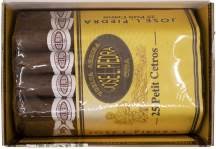
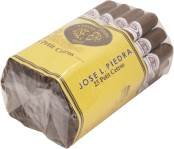
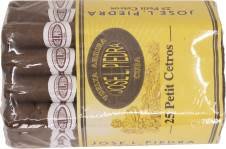
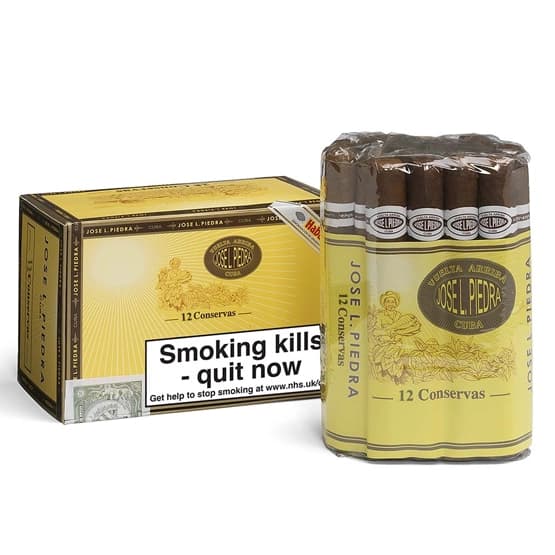
- Cellophane Bundle of 25 (1996‑2009): The original presentation, allowing retailers to sell individual cigars without a box.
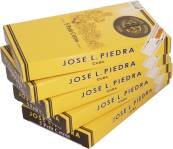
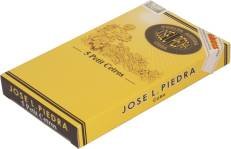
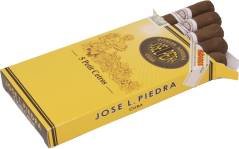
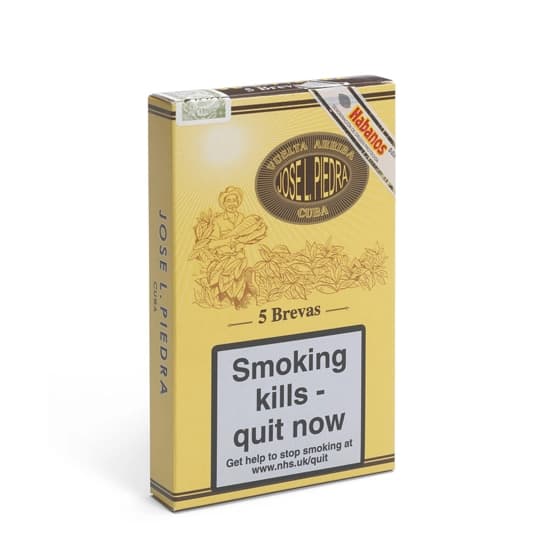
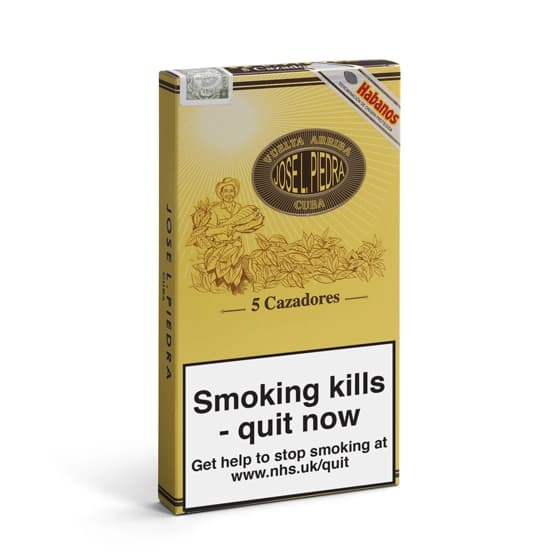
- Cardboard Pack of 5 (1996‑2017): A convenient format for smokers who preferred a small, portable quantity.
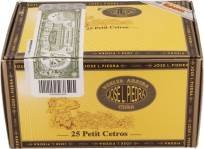
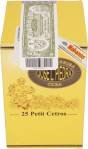
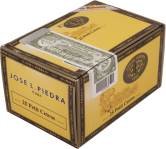
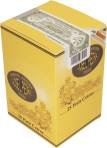
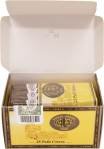
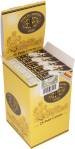
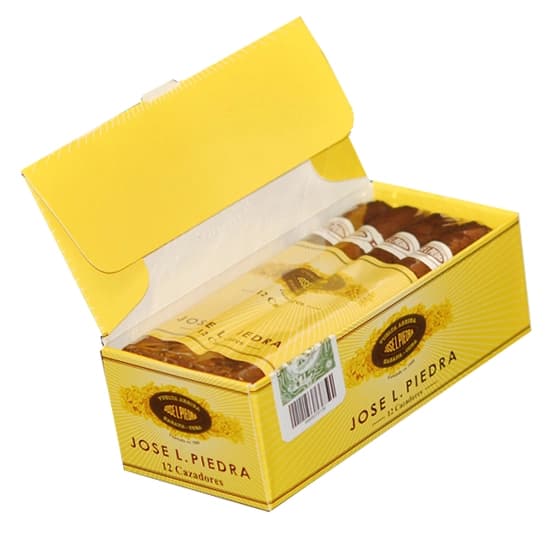
- Cardboard Box of 25 with Cellophane Bundles (2009‑2017): Introduced later to provide a middle ground between the bundle and a full box, catering to both retail and collector needs.
Throughout these variations, the Petit Cetros retained the classic José L. Piedra bands—designated types A, B, and C—ensuring visual continuity across the brand’s portfolio.
Legacy and Collector Appeal
Even though the Petit Cetros no longer enjoys official production status, it endures in the memories of Cuban‑cigar enthusiasts and collectors alike. Its combination of modest size, affordable price, and authentic Cuban tobacco makes it a noteworthy chapter in the brand’s history. For those exploring the breadth of Cuba’s cigar heritage, the Petit Cetros serves as a case study of how a budget‑friendly vitola can leave a lasting impression, influencing both casual smokers and historians who appreciate the brand’s dedication to accessibility.