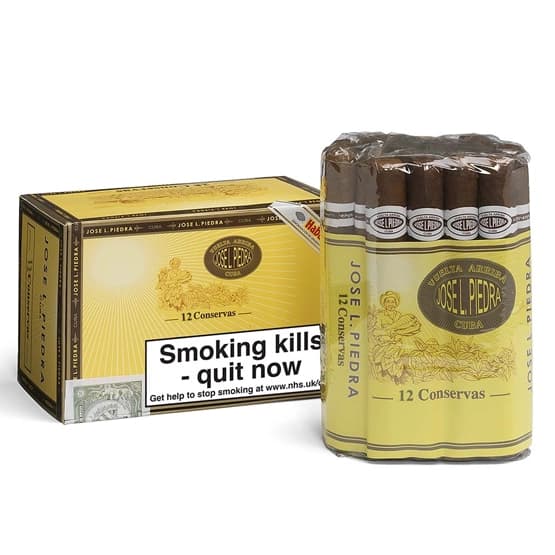
For more than a decade and a half, the José L. Piedra Nacionales offered a distinctive chapter in Cuba’s storied cigar history. Launched in the mid‑1990s, this vitola carved out a niche for smokers seeking a compact, affordable Cuban experience without sacrificing the island’s signature flavor profile. Its journey from early‑generation machines to hand‑crafted craftsmanship reflects broader shifts in Cuban tobacco production and provides a fascinating case study for collectors and casual enthusiasts alike.

Origins and Market Launch
In 1996 the Nacionales first appeared on retail shelves, marking the entry of a short‑filler blend into the regular José L. Piedra catalog. Designed to appeal to newcomers and budget‑minded aficionados, the cigar was positioned as an accessible gateway to premium Cuban tobacco. Its debut coincided with a period of experimentation in Cuban factories, where manufacturers were exploring ways to balance quality with mass‑market viability.
Evolution of Production Techniques
When the Nacionales debuted, it was produced using industrial, machine‑made methods. This approach allowed for rapid scaling and kept the price point low, but it also limited the depth of flavor that traditional long‑filler cigars provided. Around 2002, the brand transitioned the Nacionale’s construction to a hand‑rolled process, a move that signaled a broader industry trend toward preserving artisanal techniques even within budget‑oriented lines. Despite the shift, the cigar retained its characteristic short‑filler core—composed of chopped tobacco leaves rather than whole, long‑filler strips—ensuring a quicker smoking time and a distinct smoking profile.
Technical Specifications
Understanding the physical attributes of the Nacionale helps illustrate its place within the José L. Piedra portfolio. The cigar’s dimensions are modest but purposeful:
- Ring gauge: 42
- Length: 134 mm (approximately 5 ¼ inches)
- Weight: 8.28 grams
- Construction: Handmade, short‑filler
These measurements translate into a compact, medium‑body smoke that can be enjoyed in about 30‑45 minutes—a feature that appealed to smokers who desired a Cuban experience without committing to a longer, more demanding ritual.
Packaging Over the Years
The Nacionale’s presentation evolved several times, reflecting both marketing strategies and practical considerations. The initial release in 1996 offered two distinct configurations:
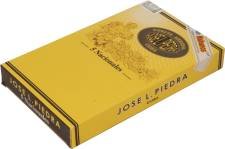
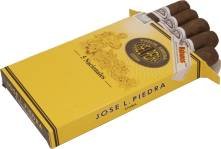
- A simple cellophane‑wrapped bundle containing 25 cigars, ideal for retailers seeking minimal packaging.
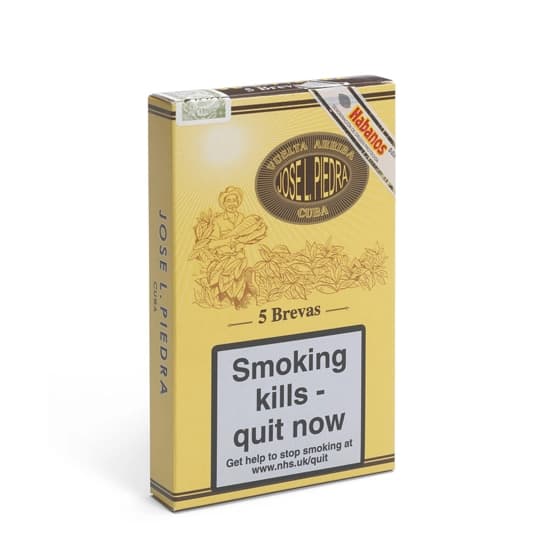
- A display box that also held 25 cigars, subdivided into five cardboard packs of five cigars each, providing easier handling and visibility on store shelves.
By 2009 the brand streamlined its packaging. The original cellophane bundle was discontinued, replaced by a cardboard box that housed 25 cigars, each individually wrapped in cellophane. This change aimed to improve product protection during transport and to present a more modern retail aesthetic.
Branding and Visual Identity
Throughout its lifespan, the Nacionale bore the classic José L. Piedra band scheme, utilizing three distinct band designs—labeled A, B, and C—depending on the production period. This consistency helped maintain brand recognition, ensuring that even as packaging evolved, smokers could instantly identify the cigar as part of the Piedra family. The bands featured the iconic Piedra script and a subdued color palette, reinforcing the brand’s reputation for approachable elegance.
Collectibility and Modern Availability
Since the Nacionale was removed from regular production in 2013, it has transitioned from a readily available retail item to a sought‑after piece in the secondary market. Enthusiasts who appreciate its concise smoking duration and the historical narrative embedded in its production changes often seek out sealed boxes or well‑preserved singles. While the cigar is no longer produced, its legacy lives on in private collections and specialty humidors, serving as a reminder of a time when Cuban factories balanced tradition with modern manufacturing realities.
In sum, the José L. Piedra Nacionales stands as a testament to adaptability within the Cuban cigar industry. Its seventeen‑year production run, evolving construction methods, and varied packaging illustrate how a modest vitola can leave a lasting imprint on the world of premium tobacco.