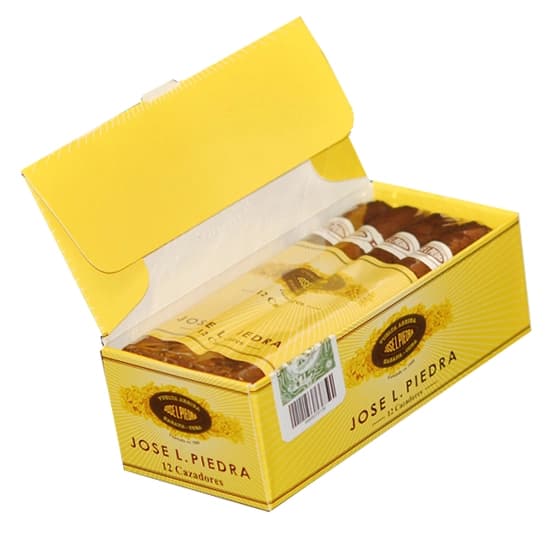
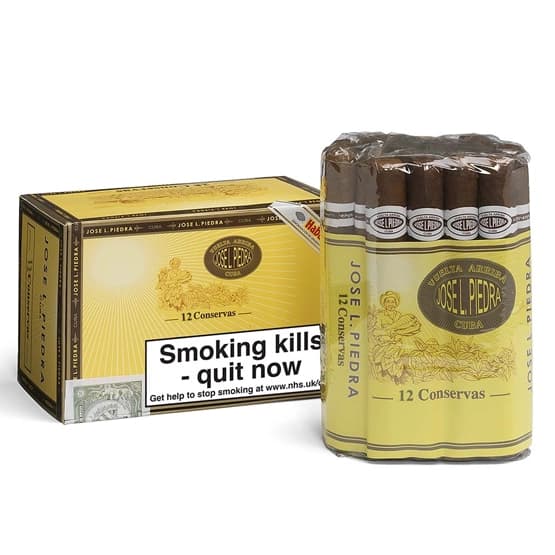
For many aficionados, the phrase "Cuban cigar" conjures images of exorbitant price tags and rare collectibles. However, the José L. Piedra brand has long stood as a defiant exception to that rule, offering a taste of Havana without emptying the wallet. Among its lineup, the Cremas vitola stands out as a fascinating historical footnote—a cigar that was officially erased from the roster years ago yet continued to appear in the wild. It is a smoke that bridges the gap between casual daily enjoyment and the complex economics of the island's tobacco industry.

A Ghost in the Factory: The Production Timeline
The story of the José L. Piedra Cremas is defined by a strange discrepancy between official records and physical reality. The vitola was originally unveiled to the public on the first day of 1996, establishing itself as a core offering for the brand. For over twenty years, it remained a steady fixture in catalogues, providing a reliable option for smokers seeking value.
However, the industry was officially notified in 2017 that the Cremas had been discontinued. In most industries, this would signal the absolute end of a product. Yet, in the world of Cuban tobacco, official status does not always align with factory output. Despite the 2017 cutoff, production lines continued to churn out these cigars well into late 2022. This extended lifespan after "death" makes the Cremas a compelling case study in inventory management and the lingering demand for budget-friendly Cuban tobacco.
Inside the Vitola: Dimensions and Build
The technical specifications of the Cremas reveal a classic format designed for a satisfying, moderate-length smoke. Measuring 136 mm (approximately 5⅜ inches) with a ring gauge of 40, it adheres to the traditional proportions often favored by Cuban smokers. The official weight sits at 7.59 grams, a density that promises a consistent draw when constructed well.
The defining characteristic of this cigar, and the key to its affordability, lies in its internal architecture. Unlike the premium "long-filler" cigars where whole leaves run the length of the stick, the Cremas utilizes a short-filler method. This technique employs chopped tobacco leaves, a process that significantly reduces material waste and labor costs. Crucially, the José L. Piedra Cremas remains a handmade product. Even with chopped filler, skilled torcedores roll each cigar by hand, ensuring the draw and burn meet the standards of a genuine Havana product rather than a machine-pressed bundle. Throughout its history, this vitola featured the brand's standard banding configuration, utilizing bands A, B, and C to denote its authenticity.
The Evolution of Presentation
Over its decades of availability, the packaging for the Cremas underwent distinct changes, reflecting shifting market strategies. When the cigar first launched in the mid-90s, it was available in two primary formats:
- The Original Bundle: Early iterations came in a cellophane-wrapped bundle of 25 cigars. This no-frills approach emphasized the value proposition and remained the standard until 2009.
- The Five-Pack: Also introduced at the 1996 launch, a cardboard pack containing five cigars offered a smaller entry point for hesitant buyers, persisting until the 2017 discontinuation.
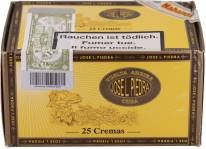
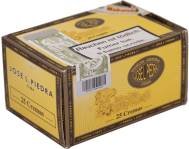
A significant shift occurred in 2009 when the presentation was revised. The loose cellophane bundles were retired in favor of a more polished aesthetic: a cardboard box containing 25 cellophane-bundled cigars. This format, which ran until the line was ostensibly shuttered in 2017, offered retailers a more shelf-friendly product while maintaining the protective cellophane wrapping that keeps short-filler cigars fresh.
Final Thoughts on a Persistent Classic
The José L. Piedra Cremas represents more than just an inexpensive smoke; it embodies the quirks of the Cuban cigar trade. Its ability to survive on shelves—and even in production—years after its official cancellation speaks to the enduring demand for accessible Cuban flavor profiles. While it may lack the prestige of a long-filler Churchill, its handmade pedigree and authentic taste ensure it remains a memorable chapter in the history of Cuban tobacco.