For those curious about Cuban tobacco but hesitant to spend heavily, the world of Habanos offers some surprisingly accessible options. One standout in this category is a vitola that has quietly earned its place on retailer shelves for nearly three decades, providing newcomers and seasoned smokers alike with an authentic taste of Cuba without the premium price tag.


The Origins and Evolution of the Brevas
The José L. Piedra Brevas entered the market in 1996, establishing itself as a cornerstone offering from a brand built on the principle of democratizing Cuban cigar culture. What makes this particular smoke particularly noteworthy is its remarkable journey through production changes that reflect broader shifts in the cigar industry.
Originally manufactured using mechanized processes, the Brevas underwent a significant transformation around 2002 when production switched to handmade methods. This shift represented a pivotal moment for the brand, elevating the vitola from a purely industrial product to one bearing the hallmarks of traditional Cuban craftsmanship. The change brought increased attention to detail and a more nuanced approach to tobacco selection and blending.
Construction and Craftsmanship
Measuring 133 millimeters with a 42 ring gauge, the Brevas falls into the classic petit corona category that many smokers find comfortable and manageable. The official weight sits at 8.21 grams, a specification that speaks to its substantial yet not overwhelming presence.
The use of short-filler tobacco sets this vitola apart from many Cuban counterparts that rely exclusively on long-fill construction. Short-filler cigars utilize smaller tobacco pieces rather than whole leaves running the cigar's length, which allows for more efficient production while maintaining the characteristic flavors of Cuban wrapper and binder leaves. This construction approach enables the brand to offer genuine Cuban tobacco experiences at price points that won't strain budgets.
Despite the shorter filler composition, the Brevas maintains handmade construction, meaning skilled rollers assemble each cigar by hand. This combination of accessible pricing and artisanal production creates an interesting proposition for consumers seeking authenticity without exclusivity.
Packaging Through the Years
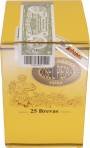
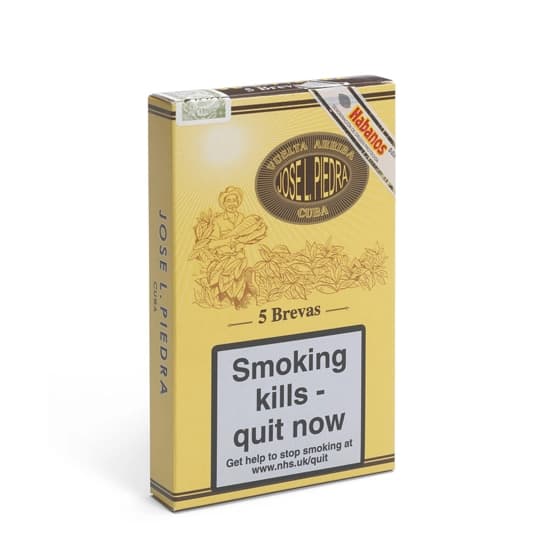
The Brevas has experienced several packaging iterations that reflect both market demands and manufacturing capabilities. When first introduced in 1996, the cigar arrived in display boxes containing twenty-five units, organized as five cardboard packs of five cigars each. This format provided retailers with attractive presentation while protecting individual cigars during transport.
A simpler cellophane bundle option launched the same year, offering twenty-five unwrapped cigars sealed together in clear plastic. This value-focused format appealed to purchasers prioritizing economy over presentation, though it was discontinued in 2009 when market preferences shifted.
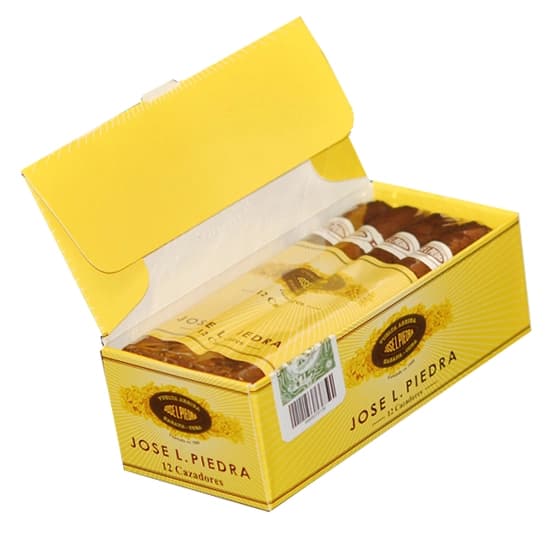
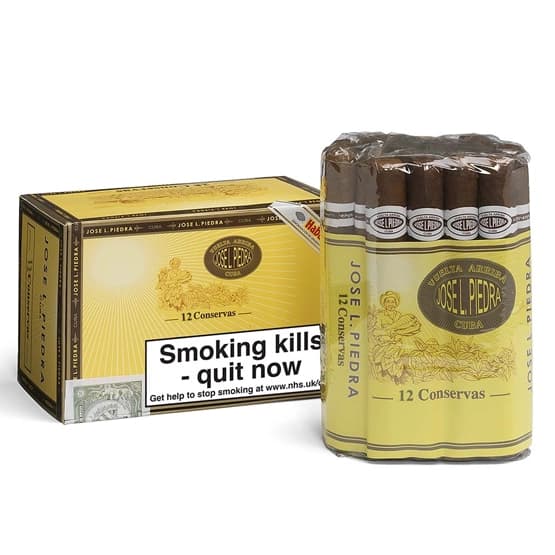
The following year brought a hybrid approach: twenty-five cellophane-bundled cigars housed within cardboard boxes, combining protective packaging with retail convenience. This format proved popular until 2020, when production transitioned to the current configuration of twelve cellophane-bundled cigars in cardboard packaging. The reduced count better suits contemporary purchasing patterns and helps maintain freshness for consumers who don't smoke cigars at high volumes.
Throughout these changes, the Brevas has maintained its distinctive band, classified as band C within the brand's standardized labeling system that progresses from A through D across different vitolas.
The Brand's Enduring Appeal
Remaining in active production nearly thirty years after debut speaks to the Brevas fulfilling a genuine market need. Its combination of short-filler construction, handmade production, and budget-friendly positioning continues resonating with enthusiasts who appreciate Cuban tobacco heritage without requiring deep pockets.
The vitola serves as an ideal introduction for those exploring Habanos for the first time, offering recognizable Cuban characteristics in a format that encourages experimentation. Simultaneously, experienced smokers sometimes keep these cigars on hand for everyday enjoyment when preserving rare aging stock feels inappropriate.
This staying power demonstrates that the cigar market encompasses more than luxury positioning and collectible prestige. Accessible offerings like the José L. Piedra Brevas remind us that authentic Cuban craftsmanship can remain within reach, inviting continued exploration of the island's rich tobacco traditions.