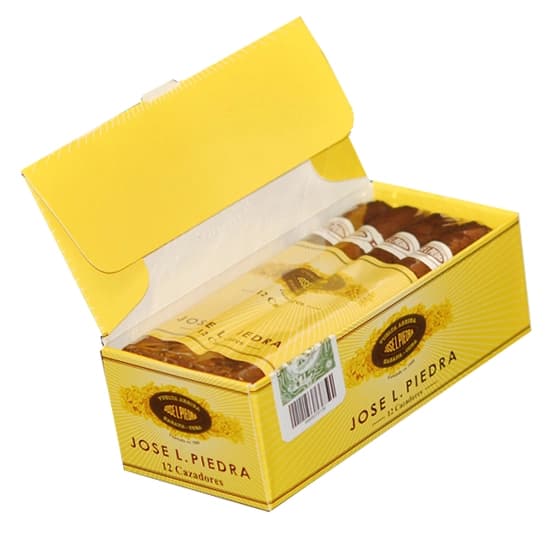
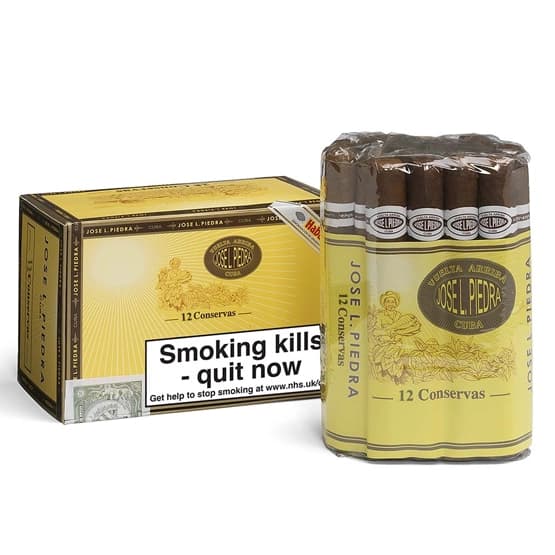
For many aspiring aficionados, the allure of Cuban tobacco is often tempered by the steep price tags attached to the island's most illustrious marques. However, nestled within the Habanos portfolio is a brand that has long served as a gateway for those seeking the genuine taste of Havana without the premium cost. José L. Piedra stands as a testament to the idea that authentic Cuban craftsmanship does not always require a luxury investment, offering a robust experience rooted in history and tradition.



From Spanish Roots to Cuban Soil
The story of this storied brand traces back to the late 19th century, a time when Spanish immigrants were shaping the future of the island's tobacco industry. Founded by the Piedra family, who had relocated from Spain to Cuba, the operation was built on a philosophy of inclusivity. While other manufacturers scrambled to court the aristocracy and wealthy international travelers with ornate packaging and steep prices, the Piedra family focused on a different demographic: the everyday working man.
This democratic approach to cigar making allowed the brand to carve out a unique niche. It became a favorite among locals who prioritized flavor and construction over flashy labels. By rejecting the pretension that often defined the industry, José L. Piedra secured its status as a "people's cigar," delivering the essential characteristics of Cuban tobacco—earthiness, spice, and strength—in a straightforward, no-nonsense format. This commitment to value has ensured the brand's survival and relevance through centuries of political and economic shifts.
The Evolution of Visual Identity
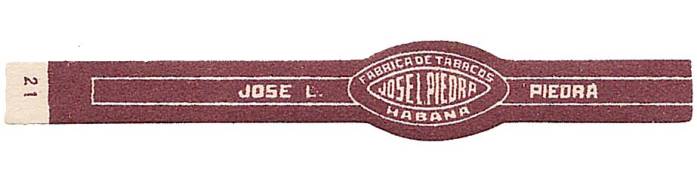
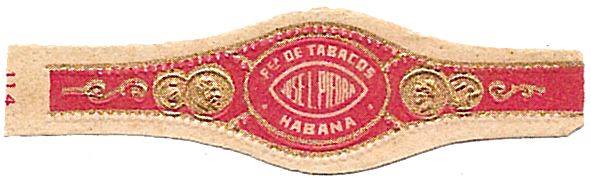
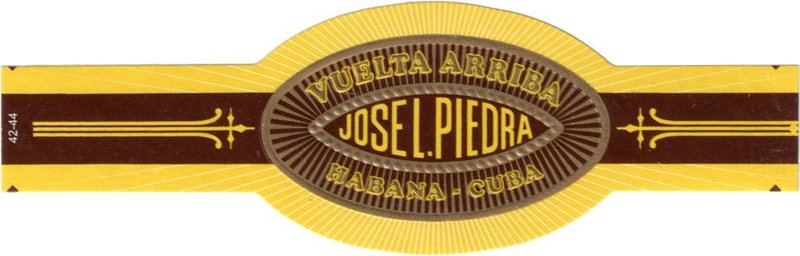
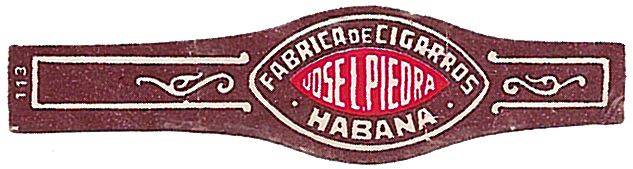
For collectors and history enthusiasts, the branding of José L. Piedra offers a fascinating timeline of production changes. The visual identity of the cigars has shifted significantly across different eras, mirroring the technological and economic realities of the Cuban cigar industry.
The Classic Embossed Era
During the mid-20th century, specifically throughout the 1960s and 1970s, the brand utilized distinct embossed bands. These rings added a tactile element to the presentation, often found on machine-made formats that were popular at the time. Collectors prize these older bands, particularly those associated with specific sizes like the Royal Palms and Panetelitas de Hebra. By the late 1980s, the designs had evolved further, with vitolas like the Superiors showcasing the aesthetic standards of that specific decade, marking a transition period before the modern standardization took hold.
The Modern Standard (1996-Present)
A distinct shift occurred in 1996, marking the beginning of the "Modern Standard" era for the brand's bands. This period is characterized by a move away from the embossing techniques of the past toward simpler, flat-printed designs. This change likely reflected a drive for production efficiency and cost management to keep the final product affordable. The evolution from 1996 to the present day can be categorized into four specific variations:
- Standard Band A (1996 – circa 2002): The initial modern design, now discontinued, which set the tone for the contemporary look. These bands were not embossed.
- Standard Band B (circa 2002 – 2007): A continuation of the non-embossed tradition, this version served the market for roughly five years before being phased out.
- Standard Band C (circa 2007 – 2022): This design held the title of the current band for over a decade, representing a long period of stability in the brand's visual presentation.
- Standard Band D (2022 – Present): The most recent iteration, introduced in 2022, features a modernized design that aligns with current aesthetic trends while maintaining the brand's core identity.
A Legacy of Value and Consistency
Through every change in band design and production method, the core promise of José L. Piedra has remained unchanged. It continues to act as a vital entry point for smokers wishing to explore Cuban tobacco. While the packaging has evolved from the embossed finery of the mid-century to the streamlined standards of the modern era, the cigar remains a faithful representation of Havana's tobacco heritage. By maintaining a focus on the working-class consumer and prioritizing the smoking experience over elaborate presentation, the brand ensures that the rich flavor of Cuba remains accessible to a global audience. Whether examining a vintage box from the 1970s or a modern release, one finds a consistent dedication to value that few other Cuban brands can claim.