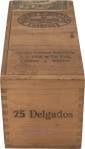
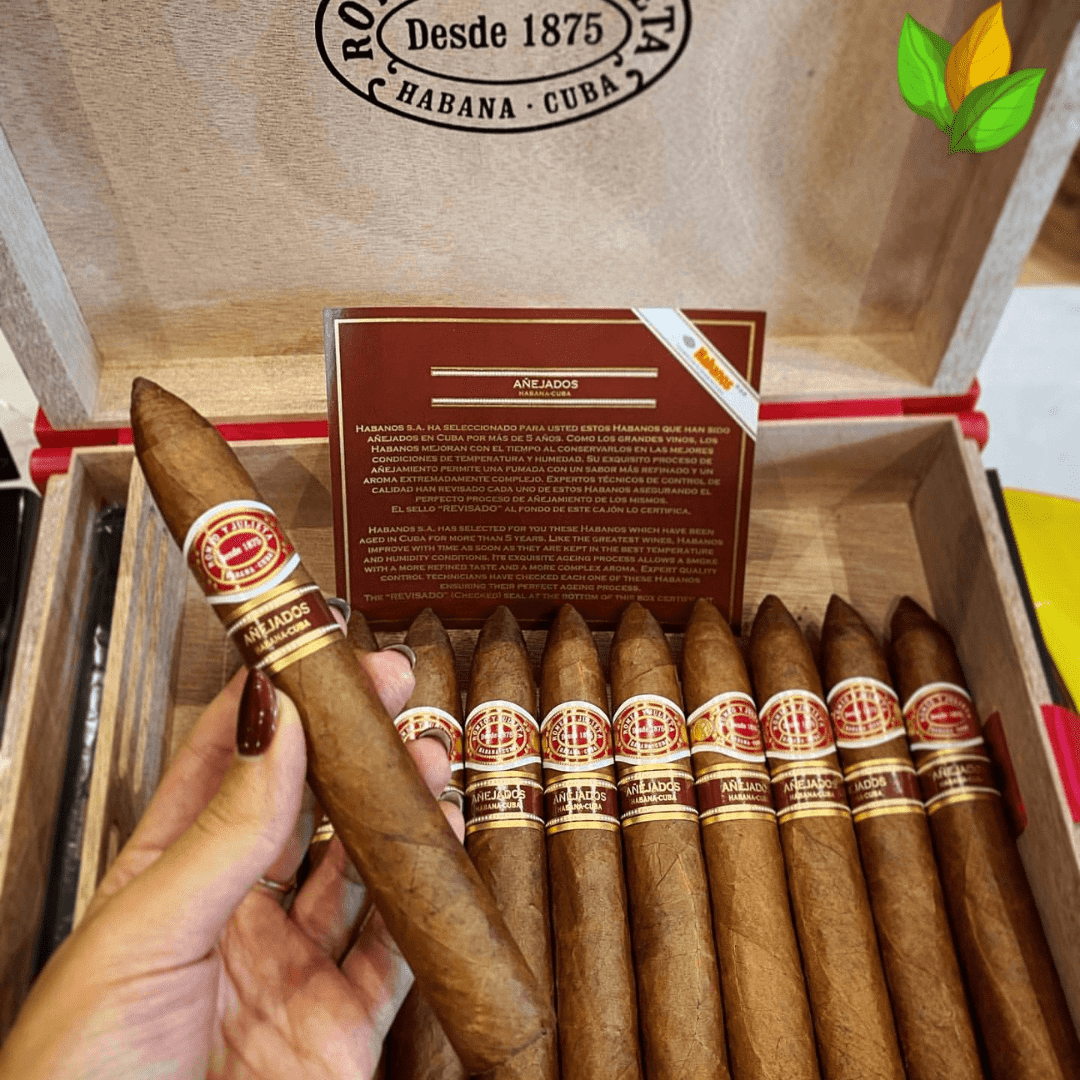
In the rarefied air of premium tobacco collecting, few discoveries are as exciting as a regional exclusive that has long since vanished from the global market. The Romeo y Julieta Delgados is one such enigma, a cigar that serves as a time capsule from a bygone era of Cuban manufacturing. Unlike the widely distributed export lines that fill humidors today, this particular vitola was born of a specialized relationship between the island’s famed factories and a prestigious British retailer. It remains a compelling artifact for historians and connoisseurs alike, representing a level of bespoke craftsmanship that is difficult to find in the modern era.

The Prestige of the J. J. Fox Commission
The story of the Delgados cannot be told without acknowledging the pivotal role of J. J. Fox. As one of the oldest and most respected tobacconists in the world, this London-based institution held enough sway to commission custom sizes directly from Havana. In the mid-20th century, it was not uncommon for elite merchants to request unique formats to satisfy their discerning clientele, leading to the creation of the "J. J. Fox Exclusives."
This arrangement signaled a partnership that went far beyond a simple buyer-seller dynamic. The Delgados was a specially tailored product, created to the specific standards of the British market rather than mass-market demands. This origin story imbues every surviving cigar with a heightened sense of provenance, distinguishing it from the standard Romeo y Julieta lines that were shipped worldwide. It stands as a testament to a time when the wishes of a master tobacconist could influence the production lines of the Cuban capital.
A Minimalist Approach to Branding
One of the most curious aspects of the Delgados is its lack of visual branding. In a brand lineage famous for its ornate and colorful bands—often featuring gold foil and intricate lithography—this specific release breaks the mold. The cigars were rolled entirely by hand and placed into their boxes without the signature Romeo y Julieta ring.
This absence of a band is a bold statement. It implies that the cigar was intended for a knowledgeable smoker, someone who could identify the quality of the puro by its construction and aroma alone, without