
When the smoke of a perfectly aged Cuban cigar curls into the air, collectors know they are tasting history. One of the most elusive chapters in that storied past is the brief but brilliant run of the Policromia Red, a limited‑edition release linked to the prestigious J. J. Fox name. Though it vanished from factory catalogs decades ago, its legacy lives on in the hands of enthusiasts who still hunt for a pristine specimen.


Historical Context and Launch
In 1960, a new cigar entered the Cuban market during a period of rapid transformation for the island’s tobacco industry. The launch coincided with a surge of interest in premium, hand‑crafted cigars among overseas aficionados. At that time, J. J. Fox, a renowned merchant of fine cigars, forged a partnership with La Corona, one of Cuba’s historic factories, to create an exclusive product that would stand apart from the standard lineup.
The resulting cigar bore the name Policromia Red, a nod to the vibrant color scheme that would later become its signature. The partnership was intended to offer a collector‑grade experience, combining the craftsmanship of La Corona with the branding expertise of J. J. Fox. Production continued for roughly twenty years, finally ceasing in the early 1980s as market tastes shifted and factory priorities evolved.
Construction and Technical Details
Dimensions and Build
Designed as a medium‑ring, the Policromia Red measures 146 mm in length—approximately 5 ¾ inches—making it a classic corona format that suits both relaxed smoking and careful tasting. The ring gauge sits at 44, a size that allows the filler tobaccos to develop a balanced flavor profile without overwhelming the palate.
- Length: 146 mm (5 ¾″)
- Ring Gauge: 44
- Weight (approx.): 8.83 g
- Construction: Hand‑made
- Status: Discontinued (production spanned the 1960s–early 1980s)
The cigar’s hand‑made construction reflects the era’s reliance on skilled torcedors, each leaf carefully selected and aged to achieve the desired complexity. While modern measurements of surviving examples are necessarily approximate—derived from examination rather than original factory records—the core dimensions have remained consistent with contemporary interpretations of the classic corona shape.
Branding Evolution
From Dual to Single Band
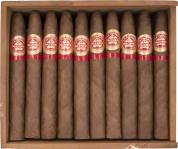
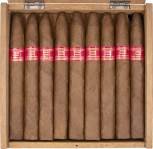
Early releases of the Policromia Red arrived in a striking dual‑band presentation. A primary La Corona band bore the traditional insignia, while a secondary red band highlighted the “Policromia Red” designation. This combination not only signaled exclusivity but also tied the cigar to its parent brand.
By the late 1970s, the cigar’s identity underwent a subtle but significant shift. The brand stepped out from under the La Corona umbrella, adopting a single Poli‑cromia Red band that replaced the former dual‑band arrangement. This move reflected a broader trend in Cuban cigar marketing, where limited‑edition releases began to assert their own market presence, emphasizing uniqueness over affiliation with larger marque names.
Packaging and Presentation

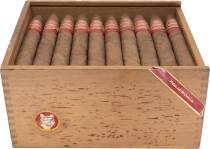
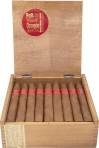
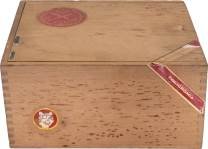
Box Options
Collectors had two primary ways to acquire the Policromia Red, each catering to different preferences for storage and display:
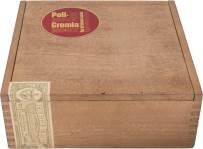
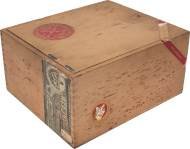
- Semi‑Boîte Nature Box (25 Count): A half‑box design that offered a modest number of cigars, ideal for personal enjoyment or gifting.
- Slide‑Lid Box (50 Count): A larger, more traditional slide‑lid presentation that provided ample capacity for aging while preserving the cigars’ condition.
Both options were crafted to protect the delicate tobacco within, though the passage of time has made well‑preserved boxes increasingly scarce. The choice between a 25‑cigar or 50‑cigar box often influences the cigar’s market value, with intact, original packaging commanding a premium.
Collectibility and Modern Outlook
Today, the Policromia Red is regarded as a prize among serious collectors of Cuban cigars. Its limited production window, combined with the exclusivity of the J. J. Fox association, has turned the cigar into a sought‑after artifact of a bygone era. While exact factory specifications remain elusive, the cigar’s hallmark dimensions and distinctive banding serve as reliable identifiers for authentication.
For those who manage to locate an original specimen, the experience is more than a novelty; it offers a tangible link to the golden age of Cuban cigar making. As with any vintage product, condition, provenance, and proper storage play crucial roles in determining value. Enthusiasts are advised to seek reputable dealers and to verify the authenticity of bands and packaging before committing to a purchase.
In the world of premium cigars, stories like that of the Policromia Red remind us that behind each perfectly rolled leaf lies a complex narrative of collaboration, craftsmanship, and cultural change. Whether displayed in a collector’s cabinet or savored slowly on a quiet evening, this rare gem continues to captivate the imagination of aficionados worldwide.