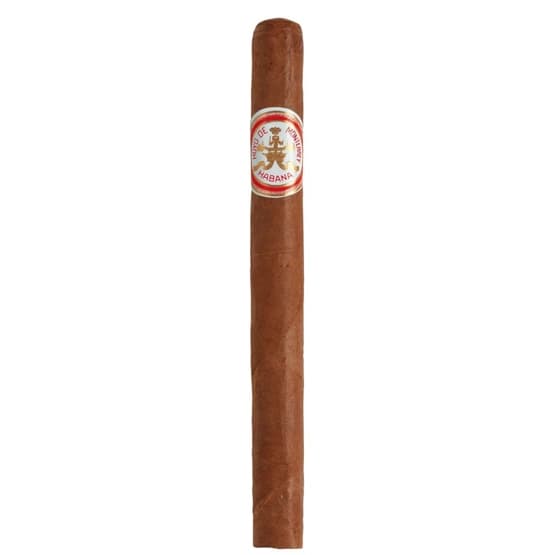
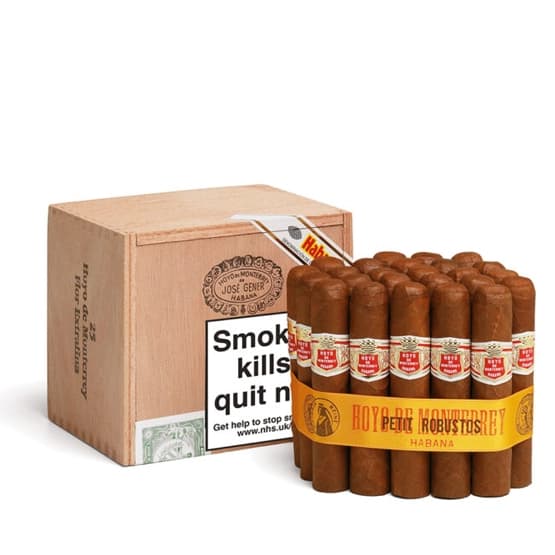
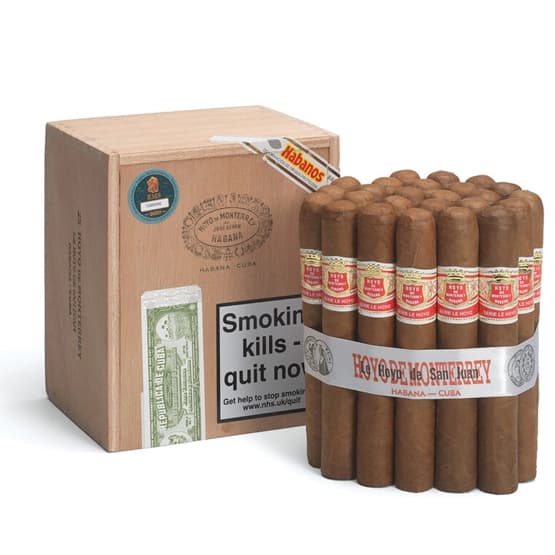
When one explores the realm of vintage Cuban cigars, certain names evoke nostalgia and exclusivity that transcend ordinary smoking experiences. The Hoyo de Monterrey Royal Hunt No.3 exemplifies this phenomenon, representing a remarkable collaboration between a legendary Cuban cigar manufacturer and one of London's most prestigious tobacconists. This diminutive yet distinguished smoke carries within its unbanded embrace decades of Cuban heritage, craftsmanship, and the mystique of an era that has long since passed into the annals of cigar history.

The Origins of a Coveted Smoke
The Royal Hunt No.3 emerged from the prestigious Hoyo de Monterrey factory long before the Cuban revolution transformed the island nation. Its creation dates to the late 1950s or earlier, placing it firmly among the pre-revolutionary releases that continued their production runs into subsequent decades. What made this particular vitola extraordinary was its sole purpose: serving as an exclusive offering for J. J. Fox, the celebrated London-based tobacco merchants whose reputation for curating exceptional Havana selections preceded them worldwide.
Unlike cigars destined for mass distribution, the Royal Hunt No.3 existed outside conventional channels. The partnership between Hoyo de Monterrey and J. J. Fox represented a bygone era of personalized tobacco commerce, where select retailers could commission bespoke productions tailored to their discerning clientele. These arrangements produced smokes that never appeared in standard Habanos portfolios, making them treasures for collectors who understood their significance.
Technical Specifications and Physical Characteristics
Measuring approximately 120 millimeters in length—roughly 4¾ inches—the Royal Hunt No.3 occupied the smaller end of the cigar spectrum. Its 40-ring gauge contributed to its elegant,细细的 profile, offering a smoking experience that prioritized nuance over longevity. The construction was entirely handmade, adhering to traditional Cuban methods that emphasized quality over quantity.
Perhaps most notably, these cigars arrived without any decorative bands—a characteristic shared by several exclusive releases from this period. This bandless presentation served both practical and aesthetic purposes, distinguishing J. J. Fox Exclusives from commercially marketed products while allowing the natural wrapper to speak for itself. The absence of branding elements has since become a defining feature that collectors appreciate when identifying authentic vintage specimens.
The cigars were housed in classic slide lid boxes containing 50 units each. This packaging format, commonly referred to as a cabinet, represented the standard presentation for premium Cuban cigars throughout the twentieth century. The wooden containers protected the delicate抽烟 during storage and transport while lending an air of formality appropriate to their exclusive status.
The Passage into Legend
Manufacturing of the Royal Hunt No.3 ceased during the 1980s, marking the end of several decades of continuous production. This discontinuation transformed the cigar from a relatively accessible exclusive offering into a sought-after collector's item. Today, surviving examples command significant attention and premium prices among enthusiasts pursuing vintage Cuban experiences.
Collectors should approach acquisition with awareness that published measurements represent approximations derived from examining surviving specimens. As with many discontinued cigars from this era, minor dimensional variations may exist between individual examples due to production inconsistencies and the natural aging process. These slight differences do not diminish authenticity but rather underscore the handmade nature of Cuban cigar production during this period.
Collecting and Appreciating This Historic Release
For the serious collector, obtaining a properly stored Royal Hunt No.3 represents both a challenge and a triumph. Proper preservation conditions prove essential for maintaining the smoking qualities that made this vitola notable. Temperature, humidity, and light exposure all influence whether these vintage cigars retain their character or deteriorate over time.
The Royal Hunt No.3 endures as testament to a collaborative tradition between Cuban manufacturers and international retailers that produced uniquely curated smoking experiences. While production may have ended decades ago, its legacy persists among those who appreciate the artistry and exclusivity that defined an earlier chapter of Cuban cigar history.