There are few names in the world of Cuban cigars as instantly recognizable as Romeo y Julieta. Established in 1875, this storied brand has become synonymous with elegance, balance, and the rich heritage of Habanos. From the iconic Churchill to the robust Short Churchill, these cigars are coveted by aficionados worldwide. However, with great popularity comes a dark side: the proliferation of counterfeits. If you are looking to buy, learning how to spot a fake Romeo y Julieta cigar is an essential skill to protect your palate and your wallet.
The Visual Inspection: Decoding the Band
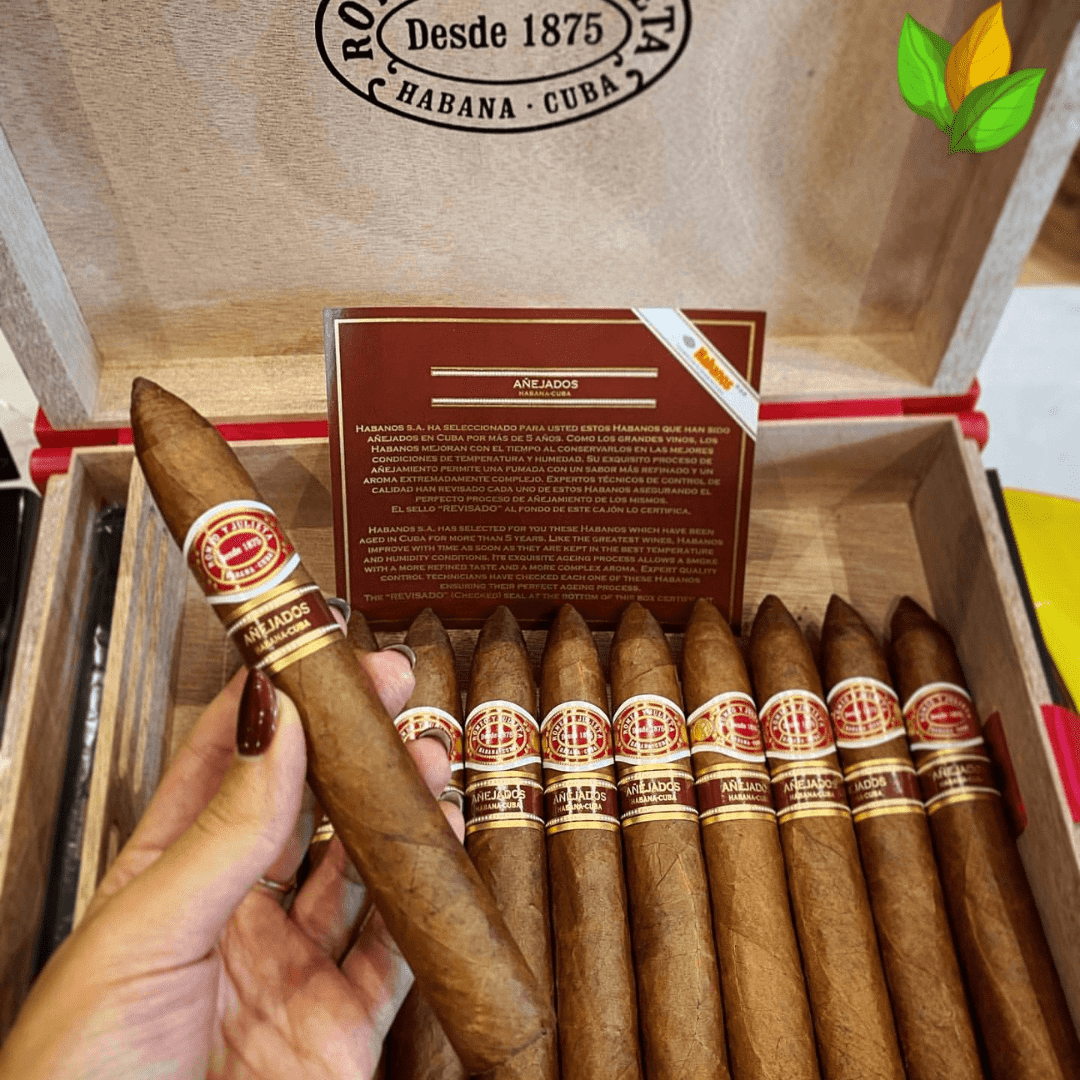
The cigar band is often the first line of defense against fraud. Counterfeiters have become increasingly sophisticated, but many fakes still fail to replicate the intricate details of a true Romeo y Julieta band. When examining the band, look for the following tell-tale signs:
- Embossing and Texture: Authentic Romeo y Julieta bands feature raised gold lettering and embossing that you can feel with your fingertips. On a fake, this gold leaf often appears dull, flat, or painted on.
- The Gold Medal: On the classic band, the gold coins surrounding the portrait should be distinct and sharp. If the coins look like a blurry blob of gold ink, the cigar is likely a counterfeit.
- Color Accuracy: The red background of the band should be a deep, rich hue. Fakes often use a brighter, almost orange-red that lacks the saturation of the genuine article.
- Habanos Logo: Modern bands include the white "Habanos" logo in the bottom right corner. Ensure the font is crisp and the spacing is correct.
If you are inspecting a Romeo y Julieta Churchill, ensure the band is applied straight and secure. A loose or crooked band is often a sign of amateur handiwork found in "tourist trap" fakes.
Construction and Cap: The Cuban Standard
Authentic Cuban cigars are renowned for their construction quality. Romeo y Julieta cigars are hand-rolled by skilled torcedores (rollers) to exacting standards. One of the most reliable ways to spot a fake is by examining the head of the cigar.
The Triple Cap Test
Almost all premium Cuban cigars, including those from Romeo y Julieta, feature a "triple cap." This is a small, circular piece of wrapper leaf applied to the head of the cigar to hold the cap together. A fake cigar often lacks this detail entirely or has a messy, uneven cap. If the head looks unfinished or lacks that distinct circular seam, proceed with caution.
The Wrapper Leaf
The wrapper should be smooth, oily, and consistent in color. While Habanos can have minor blemishes, a fake cigar often uses lower-quality wrapper leaf that may be dry, veiny, or discolored. Run your fingers gently along the cigar; it should feel firm yet supple. Soft spots or hard lumps indicate poor rolling and internal inconsistencies, common in counterfeits produced in unregulated factories.
Box Codes and Authentication Seals
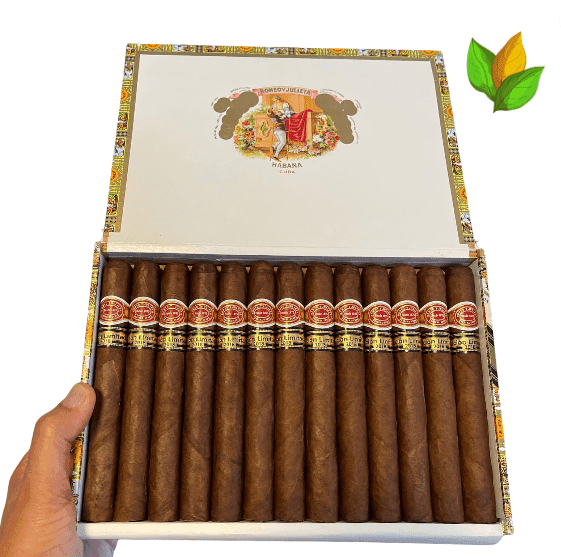
When buying by the box, the packaging tells a story. Authentic boxes of Romeo y Julieta cigars come with specific security features that counterfeiters struggle to replicate perfectly.
- Habanos Sticker: Look for the green and white "Habanos s.a." sticker on the front of the box. On authentic boxes, the holographic strip on this sticker will shimmer with movement and show the Cuban shield logo clearly.
- Government Warranty Seal: Every box of genuine Cuban cigars features the Cuban Government Warranty Seal (often called the "timbre"). This seal runs along the left side of the box. Modern versions include a barcode and a holographic strip.
- Factory Codes: Authentic boxes are stamped with a factory code and a date code on the bottom. These codes tell you exactly where and when the cigars were made. If the stamps look smeared, uneven, or use incorrect fonts, the box is likely a fake.
The Flavor Profile: Tasting the Difference
While visual cues are helpful, the ultimate test is the smoking experience. A real Romeo y Julieta offers a distinct flavor profile that counterfeits cannot match. Fakes are often rolled with inferior filler tobacco—sometimes not even Cuban tobacco—resulting in a harsh, bitter, or grassy smoke.
A genuine Romeo y Julieta, such as the Cedros de Luxe No. 2, typically delivers medium-bodied notes of cedar, leather, and dried fruit, with a creamy finish. The draw should be smooth, and the burn line should be relatively straight. If the cigar tastes acrid, burns unevenly, or tunnels down the center, you are likely smoking a mixture of banana leaves and floor sweepings rather than premium Cuban tobacco.
Buying Advice: Trust the Source
The single most effective way to avoid fakes is to purchase from reputable sources. Street vendors in Havana or unverified online sellers offering prices that seem "too good to be true" are almost always selling counterfeits.
When shopping for Cuban cigars, always look for authorized Habanos distributors. At cubancigarsforsale.com, we guarantee the authenticity of every box. Whether you are seeking the classic elegance of a Short Churchill or the complex richness of a Belicosos, knowing how to spot a fake Romeo y Julieta cigar ensures that your investment results in a sublime smoking experience rather than a disappointing lesson.