For the discerning aficionado, few subjects hold as much allure as the "ghosts" of the Cuban cigar industry—those distinguished vitolas that once populated humidors worldwide but have since vanished from regular production. The Hoyo de Monterrey Super Selection No.1 stands as a prime example of this lost heritage. No longer found on the shelves of local tobacconists, this cigar has transitioned from a daily luxury to a historical artifact, representing a specific epoch of Cuban cigar manufacturing that spanned several tumultuous decades.

The Historical Timeline of a Discontinued Classic
The story of the Super Selection No.1 begins in an era predating the sweeping changes of the 1960s. Established as a fixture in the Hoyo de Monterrey portfolio well before the revolution, this vitola enjoyed a long and storied run. It was a staple for smokers who appreciated the brand's renowned approach to flavor and construction. However, nothing lasts forever in the tobacco world, and the curtain eventually fell on this particular format.
By the mid-1980s, the Super Selection No.1 was retired from the standard lineup. Its discontinuation marked the end of an era, removing a specific dimension of the Hoyo de Monterrey experience from the global market. Today, its absence is felt by historians who recognize it as a bridge between the pre-revolutionary private enterprise era and the modern age of state-run tobacco production.
Technical Specifications and Dimensions
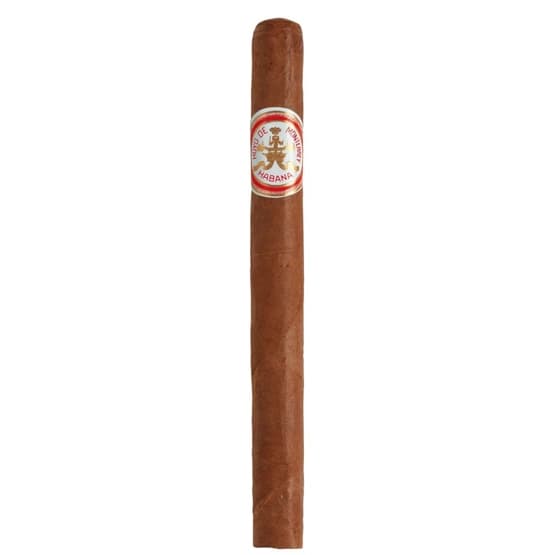
At the heart of this cigar lies its specific vitola classification, known within the factory walls as the Coronas Grandes. This nomenclature points to a specific sizing standard that was popular during the cigar's heyday. The dimensions suggest a smoking experience that allows for a developed flavor profile while maintaining a traditional feel in the hand.
The technical breakdown of the Super Selection No.1 highlights its classic pedigree:
- Factory Vitola Name: Coronas Grandes
- Ring Gauge: 42
- Length: 155 mm (approximately 6⅛ inches)
- Official Weight: 10.14 grams
In terms of visual identity, the cigar featured the standard "Band B" design associated with the Hoyo de Monterrey marca. This branding, combined with the slender 42 ring gauge, offered a silhouette that was distinctly elegant compared to the thicker, more robust formats popular in the contemporary market. Every unit was guaranteed to be a fully handmade product, ensuring that the traditional Cuban craftsmanship remained intact in every roll.
Presentation and Box Formats
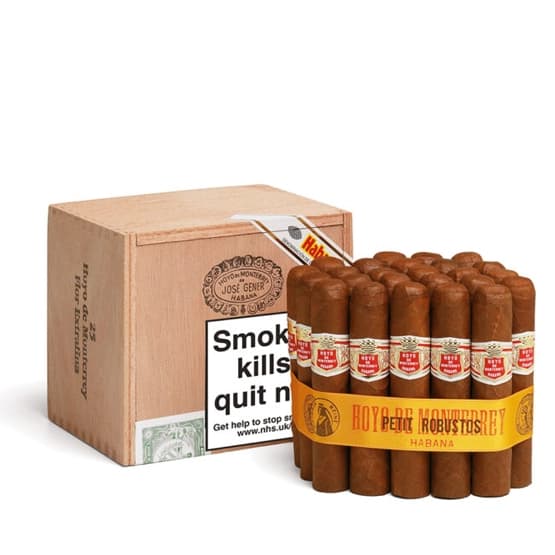
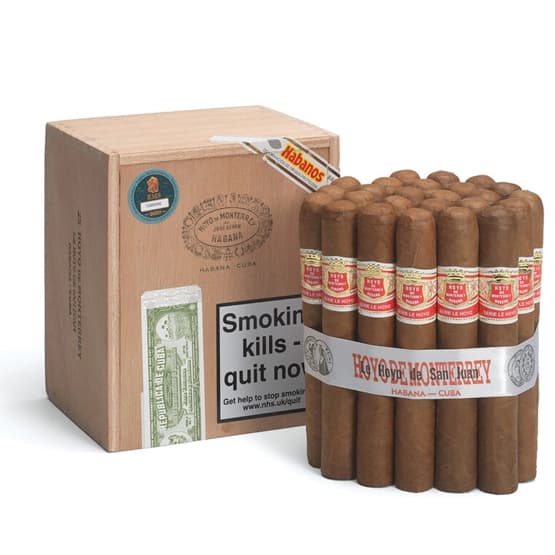
The aesthetic presentation of the Super Selection No.1 was in line with the premium standards of its time. Collectors and smokers of the era would have encountered this cigar in two distinct packaging styles, both designed to preserve the integrity of the tobacco while offering a visually appealing display. The standard presentation involved dress boxes containing 25 cigars, a common configuration for premium hand-rolled Cubans.
Specifically, the packaging options available included:
- Semi Boîte Nature Boxes: These cabinets, often favored by enthusiasts for their aging potential, housed 25 cigars in a natural wood finish.
- Slide Lid Boxes: Also containing 25 units, these boxes utilized a sliding top mechanism, a classic and functional design choice that allowed for easy access and humidification maintenance.
Both packaging methods reflected the industry's focus on elegance and functionality during the cigar's production window, adding a layer of tactile nostalgia for those who remember unboxing a fresh supply decades ago.
The Modern Collector's Market
Because production ceased decades ago, the Hoyo de Monterrey Super Selection No.1 has evolved into a highly sought-after collectible. Finding a well-preserved box or even a single cigar today is a rare occurrence, often requiring connections in the vintage market or a stroke of luck at a specialized auction. For those who do manage to acquire one, the experience goes beyond mere consumption; it is a sensory journey into the past.
Smoking a Super Selection No.1 today offers a rare opportunity to taste a blend that has not been replicated in modern releases. The tobacco, having aged for decades, offers a complexity and smoothness that is virtually impossible to reproduce in current production lines. As these cigars become increasingly scarce, their legacy is cemented not just in history books, but in the humidors of the lucky few who continue to preserve them.