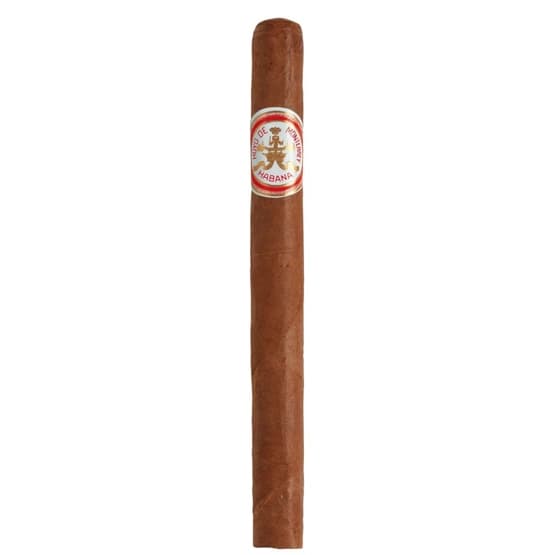
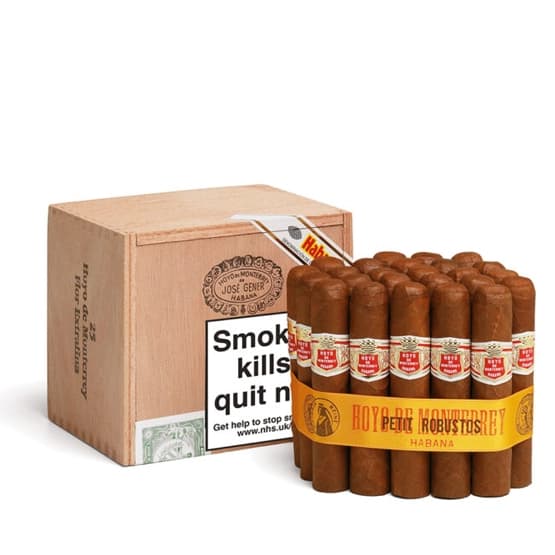
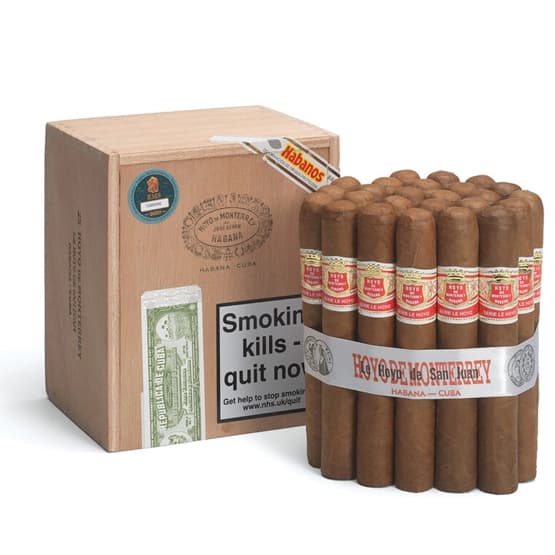
In the dynamic world of premium tobacco, where brands frequently refresh their portfolios to suit modern tastes, certain vitolas inevitably fade into obscurity, leaving behind a trail of nostalgia for the seasoned aficionado. The Hoyo de Monterrey Royal Coronations stands as a prime example of this phenomenon—a cigar that once occupied a permanent spot in the brand's catalog but has since vanished, existing now only in the collections of the lucky few who had the foresight to preserve them. For the historian and the collector, revisiting this discontinued offering is not merely an exercise in nostalgia, but a necessary study of how Cuban cigar traditions have evolved over the latter half of the twentieth century.

A Legacy Forged in the Pre-Embargo Era
The origins of the Royal Coronations stretch back to a time before the Cuban Revolution fundamentally altered the island's tobacco industry. Released prior to 1960, this cigar was born during what many consider the golden age of Havana. It survived the seismic political shifts of the era, transitioning from private enterprise to state-run production, and managed to hold its ground in the Hoyo de Monterrey lineup for decades. This longevity is a testament to the cigar's initial reception; it was not a fleeting special release, but a stalwart of the portfolio that satisfied smokers for generations.
However, even the most enduring traditions eventually meet their end. During the industry consolidations of the 1990s, a period that saw many standard sizes eliminated to streamline production and focus on newer, trendier formats, the Royal Coronations was discontinued. Its departure marked the closing of a significant chapter for the brand, transforming it from a readily available smoke into a sought-after collector's item almost overnight.
Technical Specifications and Dimensions
At the heart of the Royal Coronations lies a commitment to the classic proportions that defined premium Cuban smokes for decades. While modern trends have shifted heavily toward thick "robusto" and "gordo" formats, this vitola adhered to the elegant, slender standards of the past. The industry nomenclature for this specific size was "Coronas," a designation that speaks to its status as a benchmark shape in the pantheon of cigar formats.
The technical details of the Royal Coronations were precise:
- Factory Name: Coronas
- Dimensions: Measuring 142 mm (approximately 5⅝ inches) in length, the cigar offered a comfortable, extended smoking experience.
- Ring Gauge: A slender 42, a dimension that allows for a tighter draw and a more concentrated flavor profile compared to wider rings.
- Weight: The official weight was recorded at 9.29 grams.
Every unit was entirely handmade, a hallmark of the brand's dedication to artisanal methods. The construction featured the standard "Band D" design associated with Hoyo de Monterrey, a visual cue that immediately identified the smoke as part of the brand's family of elegant, medium-bodied offerings.
Presentation and Packaging Sophistication
Beyond the tobacco itself, the presentation of the Royal Coronations demonstrated a keen attention to detail that is often lost in modern mass production. The decision to package each cigar in an individual aluminum tube was a dual-purpose design choice. Functionally, the tubes acted as a protective shell, shielding the delicate wrapper leaves from damage during transport and storage. Aesthetically, they imbued the product with a sense of sophistication and luxury.
These tubes were housed in a "dress box" containing 25 units. This style of packaging, often referred to as SLB (Slide Lid Box) or dress boxes in various contexts, was designed to be visually striking, often featuring ornate lithography and branding that made the box a centerpiece on a retailer's shelf. For the consumer, purchasing a box was not just a transaction for tobacco; it was an acquisition of a curated object of desire.
The Modern Collector's Perspective
Today, the Royal Coronations serves as a reference point for the changing tides of the cigar industry. Its discontinuation in the 1990s means that it is no longer available to the contemporary enthusiast walking into a cigar shop, creating an air of exclusivity around the remaining stock. For collectors, the value lies not only in the potential aging of the tobacco but in the vitola's connection to a bygone era of Cuban manufacturing.
The "Coronas" factory name links this cigar to a lineage of standard sizes that were once the backbone of every major brand. Finding a well-preserved box today offers a glimpse into the flavor profiles of the past—profiles that were typically more nuanced and delicate than the powerhouse blends favored by some modern palates. As time passes, the Royal Coronations solidifies its status as a relic of lost elegance, a reminder of a time when a 42-ring gauge was considered the standard of sophistication rather than an exception.