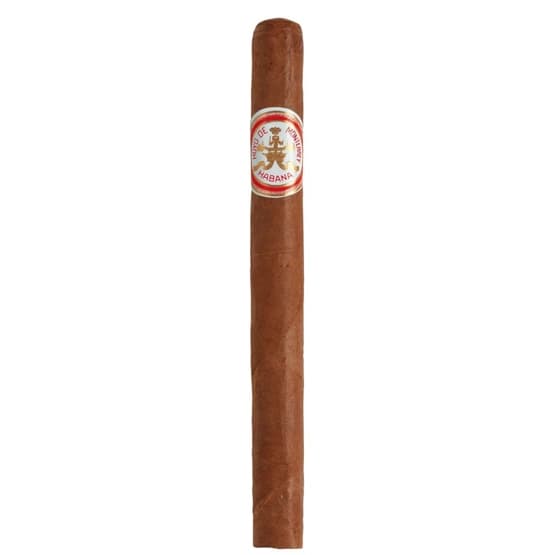
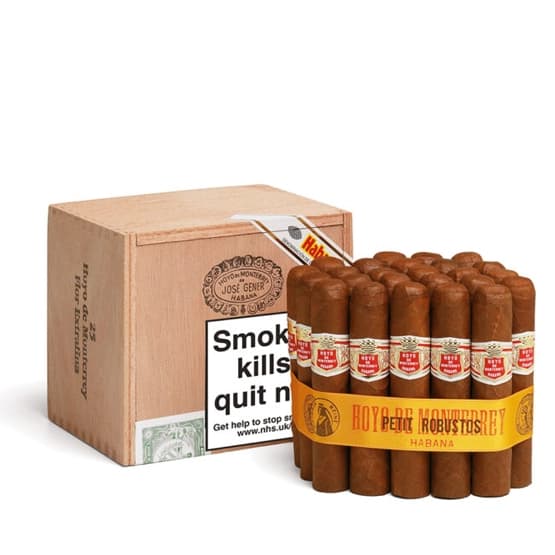
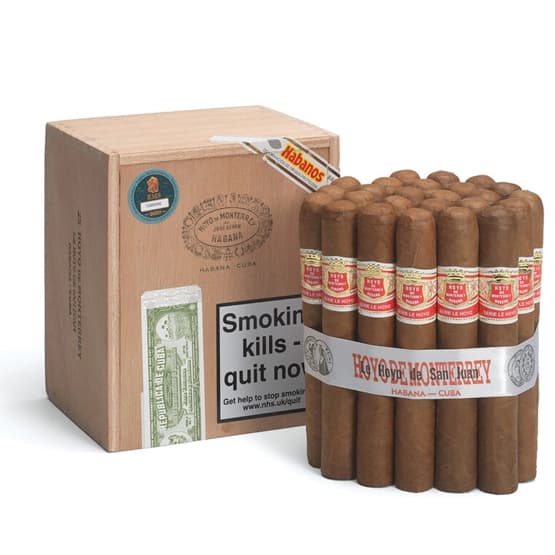
In the realm of premium Cuban tobacco, few vitolas capture the imagination quite like the Hoyo de Monterrey Perfectos. This discontinued masterpiece represents a fleeting moment in cigar manufacturing history—a time when experimentation with unconventional shapes was celebrated rather than abandoned. For the discerning collector, tracking down one of these rare tapered treasures feels like discovering a hidden chapter in the story of Cuban craftsmanship.

A Glimpse into Post-Revolution Production
The Perfectos emerged onto the scene in the years leading up to 1960, joining an already impressive catalog from a marca that had built its reputation on delivering refined, elegant smokes. The timing proved significant, as this release arrived during a period when Cuban cigar makers were expanding their offerings to satisfy growing international demand. Unlike many of its counterparts that endured for decades, the Perfectos occupied humidors for roughly two decades before vanishing from official production schedules sometime during the 1970s. This relatively brief commercial run has contributed substantially to its mystique among aficionados today.
Technical Specifications
Understanding the Perfectos requires examining its precise measurements, which reflect the intentional design choices of its creators. The vitola measures 127 millimeters in length—translating to approximately five inches—making it a manageable size for extended smoking sessions. Its ring gauge of 44 millimeters places it firmly in the medium range, while the official weight of 7.36 grams indicates careful construction using premium long-filler tobaccos. Each stick was crafted entirely by hand, embodying the labor-intensive methods that defined Cuban cigar production throughout the twentieth century. The presentation featured the brand's characteristic standard band B, wrapped around each cylinder with precision. Packaging consisted of traditional dress boxes housing 25 individual cigars, a format that emphasized the premium positioning this vitola occupied within the manufacturer's hierarchy.
The Allure of the Figurado Format
What distinguished the Perfectos from other Hoyo de Monterrey offerings was its distinctive figurado silhouette. Unlike corona or robusto formats with their uniform diameters, the perfecto configuration boasts narrowed openings at both the cap and the foot, creating a pronounced bulge in the central section. This architectural choice significantly impacts the smoking experience. Lighting requires extra attention, as the constrained foot demands careful torch application to ensure an even burn. The initial draw delivers a more concentrated flavor profile due to the reduced airflow, allowing smokers to appreciate nuanced tobacco characteristics before the blend opens up as the flame progresses toward the wider middle. Reaching the bulging center portion marks a transition point where the smoke typically becomes fuller and more complex, rewarding patience and technique.
Collectibility and Historical Significance
Today, acquiring an original Hoyo de Monterrey Perfectos presents considerable challenge. Decades have passed since these cigars rolled off factory floors, and those that survived storage in proper conditions command premium prices among collectors. Their appeal extends beyond mere scarcity, however. These artifacts serve as tangible connections to an era when Cuban manufacturers demonstrated greater willingness to produce unconventional vitolas. The gradual consolidation toward standardized shapes that followed the Perfectos' discontinuation marked a shift in industry philosophy, making surviving examples even more treasured. Owning one offers not just a smoking experience but a window into the creative spirit that once animated Cuban cigar design. For enthusiasts passionate about tobacco heritage, the hunt for a properly aged Perfectos represents both a pursuit of exceptional flavor and a celebration of the artistic ambition that defined mid-century Cuban craftsmanship.