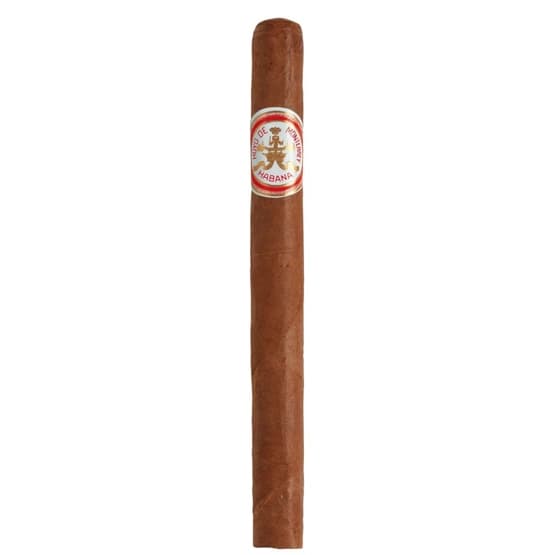
In the ever-shifting landscape of Cuban tobacco, few things capture the imagination of the serious aficionado quite like a discontinued vitola. The Hoyo de Monterrey Opera stands as a prime example of this phenomenon—a cigar that has transitioned from a regular shelf item to a treasured historical artifact. While modern smokers are familiar with the current portfolio of Habanos, the Opera offers a tangible connection to a bygone era of production, representing a format and style that has largely faded from the contemporary market. For those willing to look beyond the latest releases, this lost classic offers a window into the storied past of one of Cuba’s most elegant brands.

A Product of the Golden Age
The historical context of the Opera is one of its most compelling attributes. This vitola was born during what many purists consider the zenith of Cuban cigar manufacturing, having been released prior to 1960. This pre-revolutionary origin story places it in a distinct category of production where techniques and tobacco selections differed significantly from modern standards.
The Opera enjoyed a impressive lifespan, remaining in steady production for roughly two decades. However, like many formats of the era, its time in the spotlight eventually came to an end. The cigar was retired from the standard lineup during the 1980s, leaving behind a specific production window that has become a benchmark for collectors. Because it was created before the radical restructuring of the Cuban tobacco industry and discontinued decades ago, surviving examples are viewed as important relics of the island’s smoking heritage.
The Coronas Format and Dimensions
At the heart of the Opera’s identity is its specific size, known in the factory by the traditional name "Coronas." In an age where girth often seems to trump elegance, the Opera serves as a reminder of the beauty found in balance. The dimensions are classic: a length of 142 millimeters (approximately 5⅝ inches) paired with a ring gauge of 42. This sizing places the cigar firmly within the parameters of the classic corona family.
This format is widely respected for offering a "Goldilocks" smoking experience—neither too short nor too long, and neither too thin nor too thick. The 142mm length provides ample time for the smoker to enjoy the evolution of the blend, allowing the tobacco's flavor profile to develop and change from the first third to the last. It is a size that demands the characteristic Hoyo de Monterrey blend to express itself with precision, offering a balanced interplay between duration and flavor development.
Technical Specifications
- Vitola Name: Opera
- Factory Name: Coronas
- Dimensions: 142 mm (Length) x 42 (Ring Gauge)
- Official Weight: 9.29 g
Construction and Presentation Details
True to the standards of premium Cuban cigar making of its time, the Opera was crafted entirely by hand. This was a period before the widespread introduction of machine-assisted bunching, meaning every cigar relied on the skill of the rolling floor's torcedores. The construction was consistent with the brand's identity, featuring the standard Hoyo de Monterrey band B, which signaled the cigar's place within the company's prestigious portfolio.
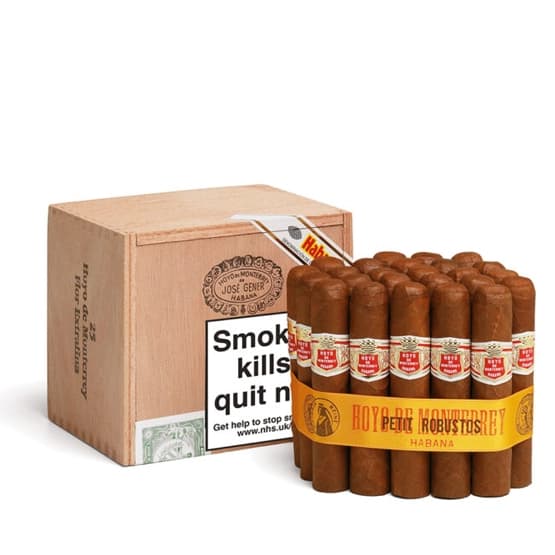
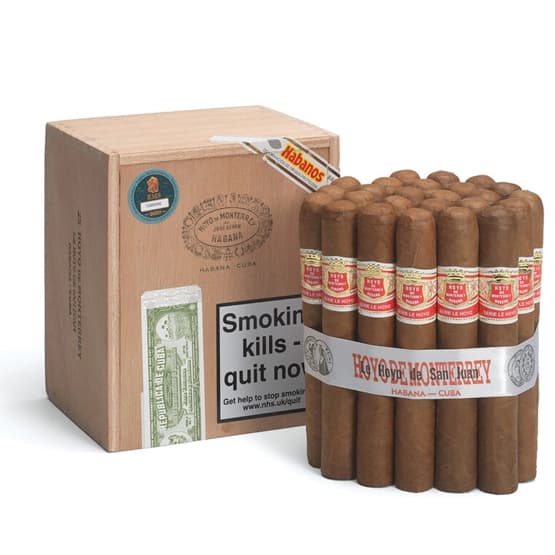
The packaging of the Opera also reflects the customs of a previous generation. The cigars were originally presented in cajón format, with each cabinet box containing 100 cigars. This style of packaging is markedly different from the smaller dress boxes common today, reflecting an era when serious smokers often purchased in larger bulk quantities to fill their humidors. The presentation was utilitarian yet elegant, designed for aging and serious consumption rather than retail flashiness.
The Collector's Perspective
For the modern collector, the Hoyo de Monterrey Opera represents a unique intersection of rarity and historical significance. Because the cigar was discontinued in the 1980s and originated before 1960, finding well-preserved examples is a challenge that requires both patience and resources. The specific production window creates a finite supply; there will never be any more Operas produced from that specific era of Cuban tobacco.
The allure of the Opera lies in its ability to deliver a flavor profile that modern reproductions cannot replicate. The tobacco blends of the mid-20th century, combined with decades of aging, offer a smoking experience that is smoother and more nuanced than younger cigars. For serious collectors specializing in vintage Cuban tobacco, securing a box or even a few singles of the Opera is not just a purchase—it is an act of preserving a piece of cigar history. It remains a noteworthy addition to any serious collection, embodying the rich heritage of the Hoyo de Monterrey brand.