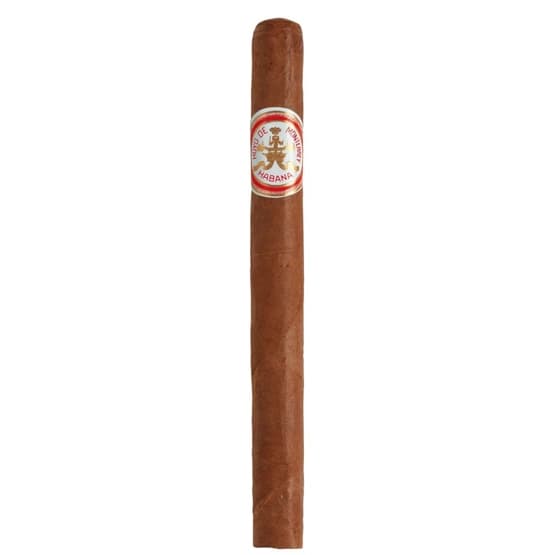
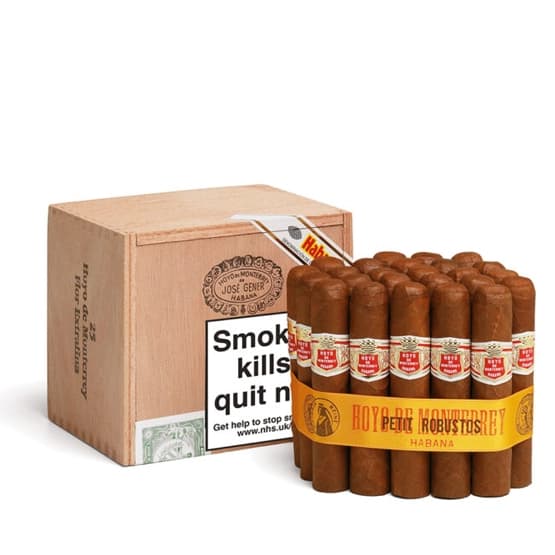
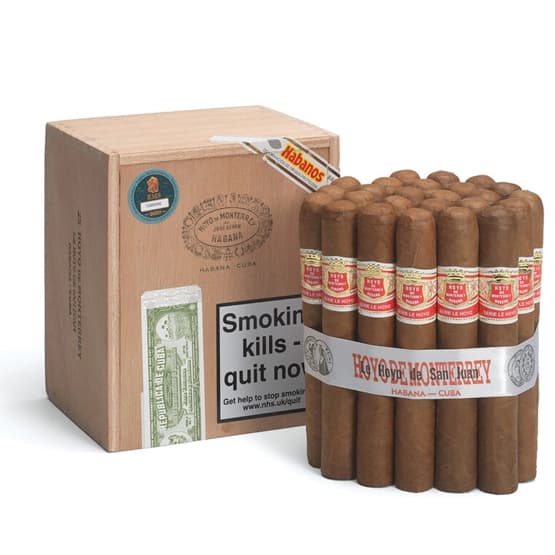
Among the constellation of distinguished Cuban vitolas that have graced the humidores of connoisseurs throughout history, the Hoyo de Monterrey Odeon occupies a special place as a testament to an era when slender, elegant panatelas defined sophistication in premium tobacco. This remarkable cigar, now retired for several decades, continues to captivate collectors and historians who seek to understand the rich tapestry of Cuba's legendary cigar-making heritage.

Origins in Cuba's Golden Age
The Odeon emerged during a transformative period in Cuban cigar production, arriving on the scene before the industry underwent its dramatic nationalization in 1960. This timing positioned the vitola squarely within what historians often refer to as the golden age of Cuban premium tobacco craftsmanship. During these formative decades, master rollers on the island were honing techniques that would eventually become the benchmark against which all other premium cigars are measured.
Manufactured at the renowned Laguito No.2 facility—one of Cuba's most prestigious rolling establishments responsible for creating some of the island's most celebrated cigars—the Odeon benefited from the expertise of artisans working at the pinnacle of their craft. The production timeline extended through several subsequent decades, allowing the vitola to establish a devoted following among traditionalists who appreciated its refined character.
Technical Specifications
The Odeon's dimensions reflect the aesthetic preferences of mid-twentieth century cigar enthusiasts who favored longer, more delicate formats over the robusto-dominated landscape of later decades. Measuring an impressive 152 millimeters—equivalent to approximately six inches—the cigar offered smokers an extended ritual, while its 38 ring gauge maintained the slender profile characteristic of panatela-style vitolas.
The specifications table below outlines the key technical details:
- Factory Designation: Laguito No.2
- Ring Gauge: 38
- Length: 152 mm (6 inches)
- Weight: 8.15 grams
- Construction: Handmade
- Presentation: Cabinet boxes containing 100 cigars
- Band Style: Standard Hoyo de Monterrey band
These measurements positioned the Odeon as a distinctly elegant offering, designed for those who valued contemplation and subtlety in their smoking experience rather than the bold, immediate impact of thicker gauges.
The Smoking Experience
Owners of the Odeon would have encountered a smoking session that prioritized nuance and subtlety over intensity. The narrow 38 ring gauge created a concentrated draw, channeling the tobacco's flavors through a focused pathway that allowed each layer of the blend to present itself with clarity. This design philosophy appealed particularly to experienced smokers who possessed the patience to appreciate gradual flavor evolution over an extended burning time.
The six-inch length ensured that enthusiasts could savor the experience across a leisurely interlude, watching the ash grow white and firm as the minutes unfolded. Traditionalists of the period often favored such formats for their ceremonial quality, treating the smoking ritual as an occasion for reflection rather than mere nicotine delivery.
Collectibility and Historical Significance
Despite discontinuation occurring during the 1980s, the Odeon maintains relevance among contemporary collectors seeking to understand the evolutionary arc of Cuban cigar vitolas. The cigar represents a specific moment in taste preferences, when the industry offered a broader diversity of shapes and sizes than became common in later periods. For historians of tobacco, the Odeon serves as a tangible artifact illustrating how consumer preferences and manufacturing philosophies have shifted across generations.
While acquiring original specimens has become increasingly challenging, the Odeon endures as a reference point for understanding the sophistication of mid-century Cuban rolling expertise. Its absence from modern production only amplifies its mystique among those who appreciate the heritage embedded in each carefully constructed panatela that emerged from Cuba's legendary factories during this formative period.