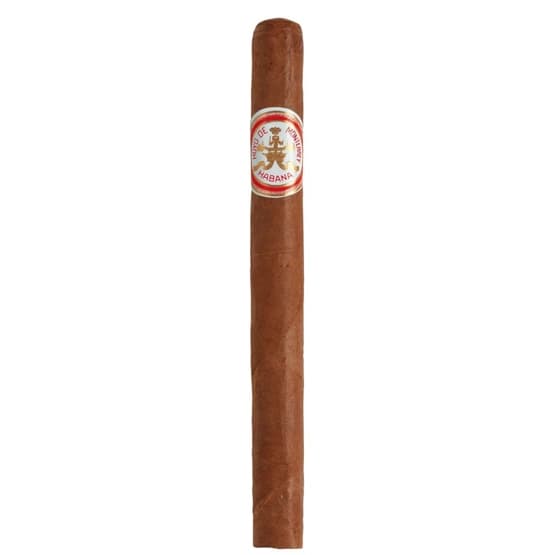
Among the pantheon of legendary Cuban smokes, the Hoyo de Monterrey Lusitanias occupies a distinguished place in the hearts of collectors and connoisseurs alike. This magnificent vitola emerged from the hallowed rolling tables of Cuba during an era when the island's cigar industry was reaching unprecedented heights of artistry and prestige. For several decades, the Lusitanias served as a benchmark for those who appreciated bold dimensions and unhurried smoking rituals, embodying the very essence of what made Cuban cigars the world's most sought-after luxury tobacco product.

A Journey Through Time: The Birth of an Icon
The origins of the Lusitanias trace back to the halcyon days preceding the dramatic transformations of 1960, when Cuban cigar manufacturers enjoyed a golden period of creative freedom and export prosperity. This particular offering from the Hoyo de Monterrey house arrived at a moment when smokers around the globe were developing an insatiable appetite for premium Cuban tobacco. The timing proved impeccable, as the brand sought to cater to an audience that craved substantial, long-burning cigars capable of delivering an immersive experience.
For more than two decades, this robusto-style masterpiece remained a staple within the regular production lineup, gracing the humidors of tobacco enthusiasts who possessed the patience and discernment to appreciate its complexities. However, the winds of change eventually swept through the Cuban cigar industry, leading to the discontinuation of this beloved vitola sometime during the 1980s. Its departure marked the conclusion of a remarkable chapter, leaving behind a void that collectors would later endeavor to fill through special commemorative releases.
Dimensions and Construction: Engineering Excellence
The physical specifications of the Lusitanias reveal a cigar engineered for those who view smoking as a meditative pursuit rather than a hasty indulgence. At 184 millimeters in length—equating to approximately seven and a quarter inches—the smoke demanded commitment and provided ample opportunity for the tobacco's nuanced flavors to unfold gradually. The 50 ring gauge contributed to the substantial presence in the hand, offering a robust ring diameter that accommodated a complex blend of carefully aged fillers, binders, and wrappers.
Each individual cigar carried an estimated weight of 17.52 grams, reflecting the considerable quantity of premium long-filler tobacco necessary to achieve such impressive proportions. The construction process relied entirely upon skilled artisans employing traditional hand-rolling techniques passed down through generations of Cuban torcedors. These craftsmen orchestrated a symphony of tobacco leaves, ensuring optimal combustion, draw resistance, and structural integrity throughout the extended smoking duration that the Lusitanias promised.
Portuguese Heritage: The Name's Significance
The moniker "Lusitanias" pays tribute to a rich historical legacy rooted in the Iberian Peninsula. The ancient Roman province of Lusitania once encompassed vast territories corresponding to modern-day Portugal and portions of western Spain. By choosing this evocative designation, Hoyo de Monterrey honored the cultural connections between tobacco and exploration, acknowledging how Portuguese navigators and merchants played pivotal roles in the global dissemination of luxury goods during the Age of Discovery.
This naming convention resonated with smokers who appreciated the romanticism of cigar culture, where tradition, geography, and craftsmanship intertwined to create meaning beyond mere smoking pleasure. The Portuguese reference added another layer of sophistication to an already prestigious offering, distinguishing it within the extensive portfolio of Cuban vitolas.
Enduring Legacy: The Millennium Homage
Although original production ceased decades ago, the spirit of the Lusitanias refuses to fade into obscurity. The House of Hoyo de Monterrey demonstrated its commitment to preserving heritage by introducing the Lusitanias Siglo XXI Millennium Humidor edition, a special release designed to celebrate and revive this historic format. Limited in quantity and exceptional in quality, these commemorative cigars provided contemporary enthusiasts with an opportunity to experience a semblance of the original's grandeur.
Collectors worldwide continue to pursue remaining stocks of the vintage Lusitanias, recognizing their historical significance and appreciating the craftsmanship of a bygone era. Whether preserved in climate-controlled humidors or occasionally brought out for special occasions, these cigars represent more than mere tobacco—they embody the pinnacle of Cuban cigar manufacturing during its most glamorous period.