Among the treasured vitolas that have graced the world of premium Cuban cigars, few carry the historical weight and devoted following of the Le Hoyo du Roi. This distinguished Corona-sized smoke traced its lineage back to the twilight years before Cuba's cigar industry underwent dramatic transformation, surviving for nearly five decades before quietly exiting production in 2009. For collectors and seasoned smokers alike, the Le Hoyo du Roi represents not merely a cigar but a living artifact of Cuban rolling traditions.

Origins and Historical Significance
The Hoyo de Monterrey marca has long occupied an elevated position among Cuba's most prestigious tobacco houses. Established in the San Juan y Martínez region of the famed Vuelta Abajo agricultural zone, the brand earned its reputation through consistently excellent栽培 tobacco and masterful blending techniques. The Le Hoyo du Roi joined this storied portfolio before 1960, making it one of the marca's longest-running releases and a constant presence throughout decades of political and economic upheaval that reshaped the Cuban cigar trade.
Its production spanned an extraordinary period, finally coming to an end in 2009 when Habanos S.A. consolidated its portfolio and retired numerous vitolas that had outlived their commercial viability. The discontinuation marked the conclusion of a remarkable journey that had witnessed the cigar transition through multiple eras of Cuban cigar manufacturing and marketing.
Physical Characteristics and Construction
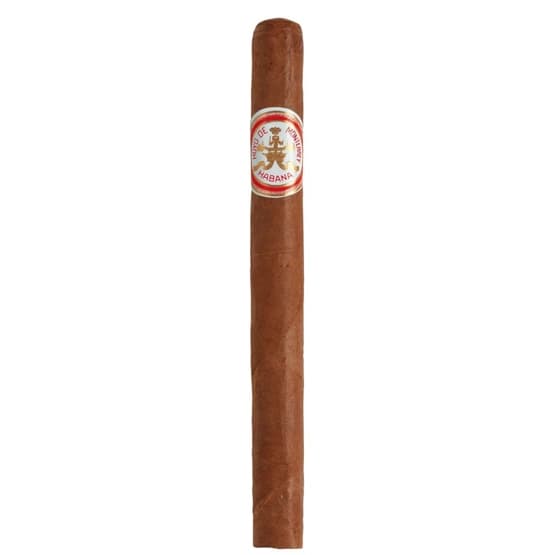
The Le Hoyo du Roi adhered to the classic Corona format that has defined traditional Cuban cigars for generations. Measuring 142 millimeters with a 42 ring gauge, this vitola struck a balanced proportion that appealed to smokers seeking a moderate smoking duration without sacrificing complexity. The official weight of 9.29 grams reflected the carefully calibrated blend of filler, binder, and wrapper leaves that Cuban torcedors have perfected over centuries.
As a handmade product, each Le Hoyo du Roi required the skilled hands of experienced rollers who assembled the cigar using time-honored techniques passed down through generations of Cuban tobacco artisans. This manual production method ensured that every cigar possessed its own subtle character while maintaining the consistent quality standards expected from such a venerable marca.
Presentation Evolution and Packaging
Throughout its extended production run, the Le Hoyo du Roi underwent several notable changes in how it was presented to consumers. The most significant transformation involved the addition of bands, which came relatively late in the cigar's lifecycle. Early production saw these cigars packaged in slide lid boxes completely devoid of bands, a practice that continued until approximately 2005 when Band E became standard. This shift aligned the Le Hoyo du Roi with contemporary Habanos presentation standards that emphasized brand identification and authenticity.
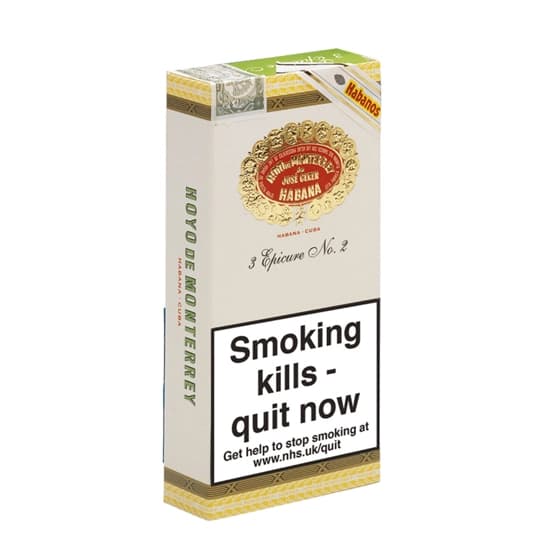
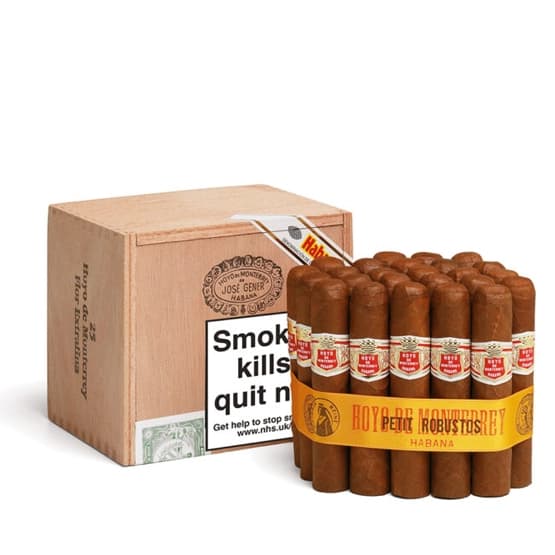
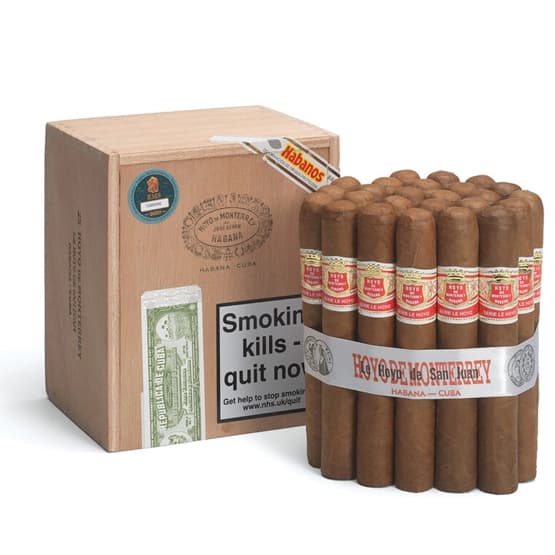
The cardboard five-pack format featured both Band B and Band E variations, reflecting production changes during the early 2000s. Various packaging options existed over the years, including the standard twenty-five cigar slide lid box that remained available until 2009, the five-cigar cardboard pack discontinued in 2006, and the larger fifty-cigar slide lid box that exited production around 2003. A rare cajón containing one hundred cigars represented an even earlier era, having been discontinued before the 1960s.
Sensory Profile and Consumer Reception
Enthusiasts who experienced the Le Hoyo du Roi consistently described a refined smoking character that balanced elegance with substantial complexity. The cigar delivered medium intensity, avoiding the extremes of either light mildness or overwhelming strength, and instead offering a nuanced journey that rewarded contemplative smoking.
Laboratory and enthusiast assessments produced an impressive aggregate rating of 4.25 out of 5 across eight documented reviews. Individual category scores reflected the cigar's balanced nature: Elegance earned 4 out of 5, Balance achieved 4 out of 5, Complexity received 4 out of 5, and Aftertaste scored 4 out of 5, while Strength registered a more modest 3 out of 5.
- Primary flavor notes: Resinous mastic, evergreen pine, and warm spice provided the aromatic foundation
- Secondary characteristics: Bitter herbs, cardamom tea, aged cedar, and velvety cream added layers of sophistication
- Subtle undertones: Forest floor earthiness, supple leather, ripe peach, sweet herbs, tobacco leaf, and vanilla rounded out the profile
This intricate tapestry of flavors developed gradually throughout the smoking experience, with different notes emerging and receding as the cigar progressed through its burn.
Enduring Legacy
Though no longer available through official channels, the Le Hoyo du Roi maintains its status among collectors seeking historical Cuban vitolas. Its disappearance from Habanos catalogs represents the continuing evolution of the Cuban cigar industry, where tradition and commerce constantly negotiate. For those fortunate enough to have experienced this Corona during its production years, the Le Hoyo du Roi remains a cherished memory—a smoke that embodied the enduring artistry of Cuban cigar making at its finest.