When Habanos S.A. decided to streamline their portfolio in 2017, they quietly retired a piece of Cuban cigar history. The Hoyo de Monterrey Le Hoyo du Prince was more than just another stick; it was a benchmark for the brand's elegant style and a favorite among purists who appreciated tradition. While it is no longer rolling off the production tables in Havana, the legacy of this distinct vitola offers a fascinating glimpse into the evolution of Cuban tobacco, representing a loss that is still felt by collectors and smokers who value finesse over brute strength.

A Study in Classic Dimensions
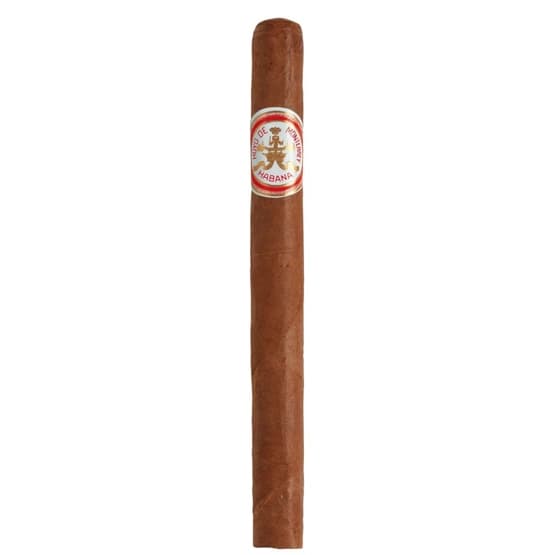
The Prince was a prime example of the "Almuerzos" vitola, a factory designation that translates loosely to "lunch" in Spanish, suggesting a smoke perfectly suited for a midday break. With roots stretching back to the pre-1960 era, this cigar hearkened back to a time when slender gauges were the standard for sophistication. It measured a precise 130 mm (roughly 5⅛ inches) in length and featured a ring gauge of 40. Weighing in at 7.52 grams, the construction was entirely handmade, a detail that underscored the brand's commitment to quality during its decades-long production run. This size allowed for a cool draw and a slow burn, characteristics that defined the smoking experience for generations of aficionados.
The Evolution of Packaging and Presentation
Over the course of its long lifespan, the presentation of the Le Hoyo du Prince underwent several transformations that reflect the changing marketing strategies of Cuban cigars. In its earliest days, during the mid-20th century, the cigar was available in large wooden crates known as cajones containing 100 units. However, this bulk format vanished before the 1960s concluded.
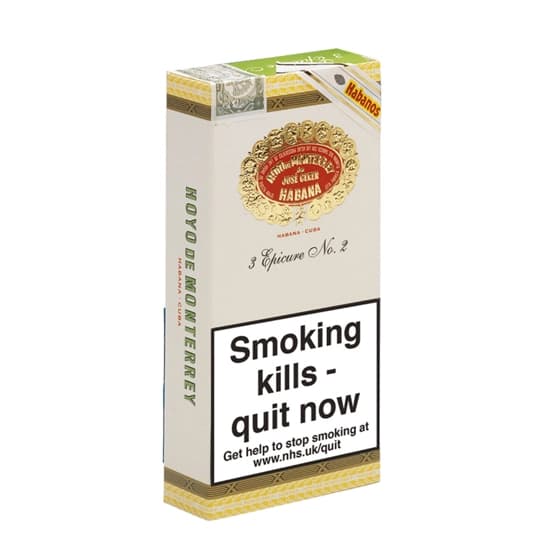
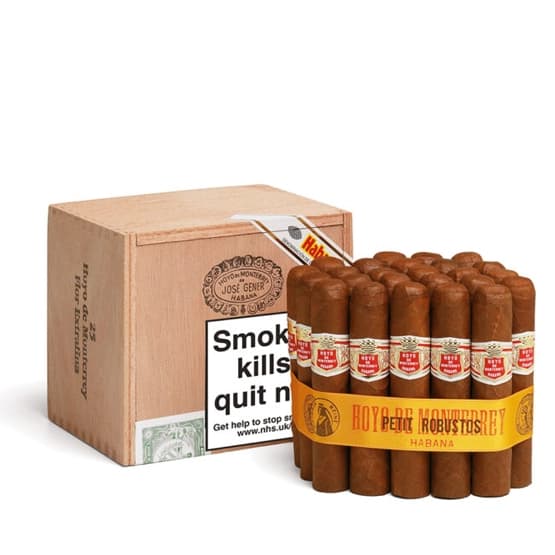
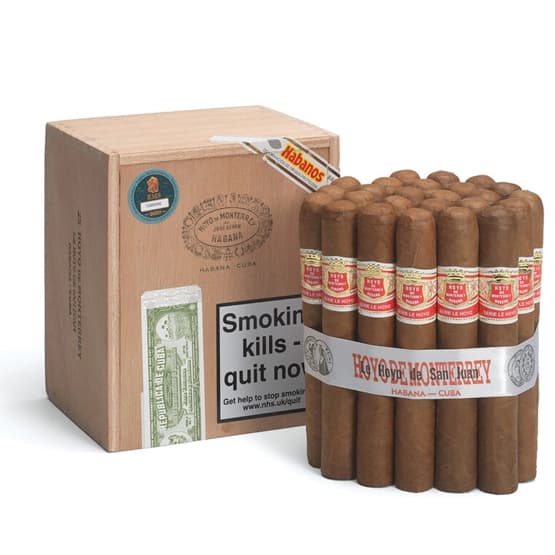
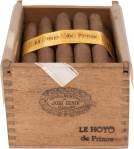
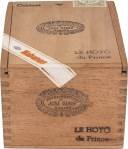
For the majority of its existence, the standard retail format was a slide lid box holding 25 cigars. This format remained in production until the final discontinuation in 2017. There were other options for consumers seeking smaller quantities; for a time, buyers could purchase slide lid boxes of 50 or convenient cardboard packs containing five cigars. Both of these alternative packaging styles were phased out in 2006, leaving the 25-count box as the sole survivor until the line was retired.

Visual Identity and Banding
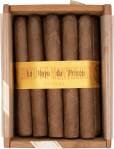
An interesting nuance for collectors involves the banding of the product. For many years, cigars found in the standard slide lid boxes were sold unadorned, without any band to obscure the wrapper leaf. This practice shifted around 2005, after which the cigars were dressed with Standard Band E. The five-packs utilized Standard Band B, though there remains some debate among historians regarding the specific band variations used in that format.
A Flavor Profile Defined by Refinement
Those who had the pleasure of lighting up a Le Hoyo du Prince often remarked on its sophisticated flavor profile. Based on aggregated reviews from enthusiasts, the cigar consistently scored high marks—specifically 4 out of 5 points—for its impeccable balance and lingering aftertaste. While it may not have been the most complex or potent cigar on the market, scoring a 3 out of 5 in those categories, it delivered a smoking experience defined by elegance.
The tasting notes reported by smokers paint a picture of a creamy, woody smoke. The primary flavors identified were distinct notes of cedar, cream, and vanilla, creating a smooth foundation. These were supported by secondary characteristics of spice, wood, and cocoa, adding just enough depth to keep the palate interested.
As the smoke cooled, more earthy and savory undertones emerged, including hints of forest floor, mushroom, and rich earth. Occasionally, smokers detected fleeting notes of cinnamon, citrus peel, and coffee. Some even reported unique nuances ranging from baking spices to licorice, showcasing that while the Prince was known for consistency, it still offered a spectrum of flavor for the attentive connoisseur.