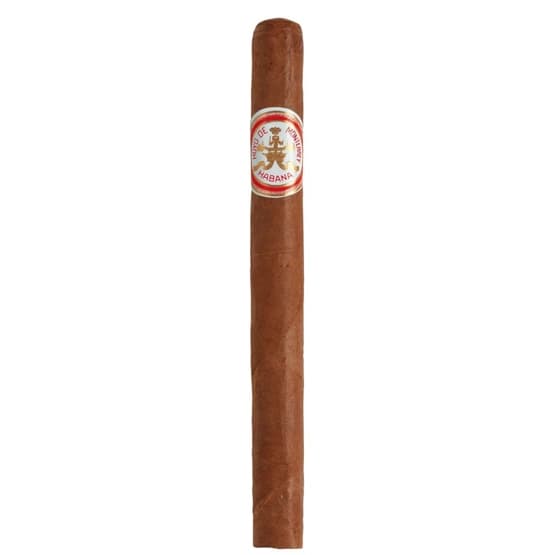
Among the treasures that occasionally surface in cigar collections and specialty shops stands a slender vitola bearing a name that bridges two cultures: the Hoyo de Monterrey Jeanne D'Arc. This discontinued Cuban masterpiece draws its identity from France's most celebrated historical figure while embodying the time-honored traditions of Caribbean tobacco craftsmanship. For enthusiasts and collectors alike, the Jeanne D'Arc represents more than just a smoke—it offers a tangible connection to an era when Cuban cigar makers experimented with elegant,纤细 formats that have since fallen out of fashion.

A Brand Forged in Tradition
The Hoyo de Monterrey name has long been associated with sophistication and quality within the world of premium cigars. Founded in the heart of Cuba's tobacco region, this house built its reputation on producing smokes that appealed to refined palates. The decision to name a vitola after Joan of Arc—the legendary peasant girl who led French forces during the Hundred Years' War—demonstrates the brand's willingness to draw inspiration from unexpected sources. This cross-cultural naming choice set the Jeanne D'Arc apart from other offerings in the manufacturer's catalog, giving it a distinctive identity that continues to intrigue collectors decades after its final production run.
Physical Characteristics and Vitola Details
The Jeanne D'Arc exemplifies the aesthetic preferences of mid-twentieth century cigar enthusiasts who favored elongated, delicately proportioned smokes. Measuring precisely 143 millimeters—equivalent to five and five-eighths inches—this vitola stretches elegantly between the fingers. Its 35 ring gauge places it firmly in the slender category, a dimension that was considerably more common during the era when this smoke was conceived compared to today's market preferences for thicker ring gauges.
The construction process relied entirely on skilled handwork, with master rollers at the Carlotas facility applying their expertise to create a consistent, enjoyable smoking experience. Each individual cigar carried an official weight of 6.39 grams, a specification that reflects the careful balance between tobacco density and dimensions that Habanos S.A. maintained throughout this production period.
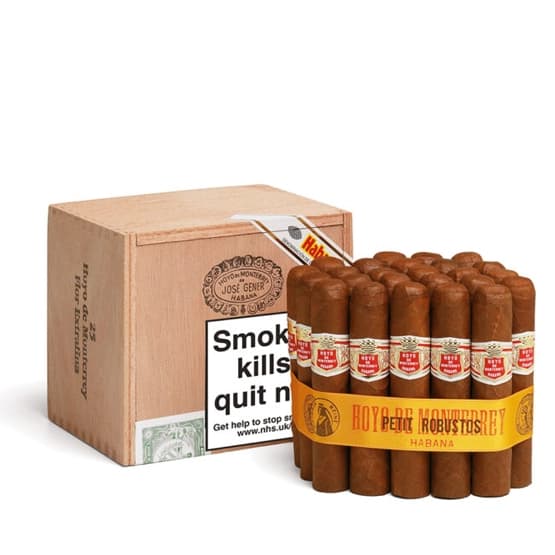
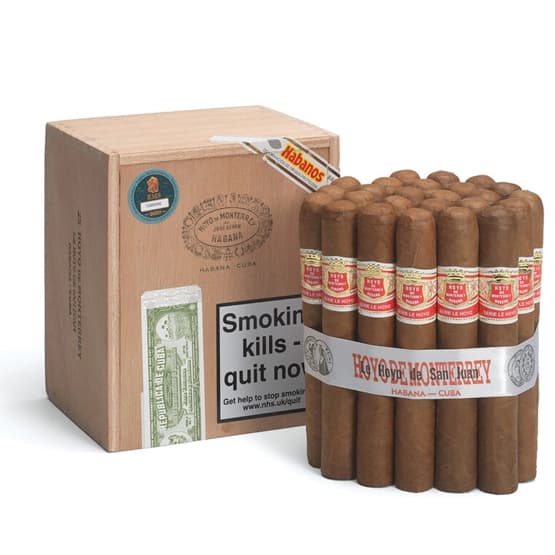
Presentation followed conventional practices of the time, with twenty-five cigars nestled within dress boxes that protected them during storage and transport. The standard band C designation identifies these releases as part of Hoyo de Monterrey's regular branding efforts, lacking the special edition markings that occasionally distinguish limited releases from the manufacturer's standard portfolio.
Production Timeline and Historical Context
The origins of the Jeanne D'Arc predate one of the most significant turning points in Cuban history. This vitola first entered production before 1960, meaning it was already an established offering when revolutionary changes transformed the island's tobacco industry. Remarkably, the smoke survived the upheaval and reorganization of Cuban cigar manufacturing that followed, continuing as part of Hoyo de Monterrey's core lineup through the subsequent decades.
This extended production run allowed the Jeanne D'Arc to accompany smokers through multiple generations of Cuban cigar history. The vitola finally received its discontinuation notice during the 1980s, concluding a production span that spanned approximately three decades. Its retirement places it among the more resilient pre-revolutionary designs that managed to adapt and persist well into the modern era of Cuban cigar production, offering collectors a relatively accessible entry point into the world of vintage Habanos releases.
The Collector's Perspective
For those who specialize in documenting the evolution of Cuban cigar brands, the Jeanne D'Arc occupies a meaningful position in historical collections. Its pre-1960 debut makes it one of the older surviving vitola designs from Hoyo de Monterrey, providing insight into the manufacturing philosophies and market considerations that influenced the brand's early development. The Carlotas factory designation offers additional value for enthusiasts tracking how different production facilities contributed to the broader Cuban cigar ecosystem.
While smoking quality remains subjective and dependent on storage conditions, the Jeanne D'Arc primarily appeals to collectors who prioritize historical significance over immediate consumption. Acquiring a well-preserved specimen provides not only the opportunity for a unique tasting experience but also serves as a physical artifact representing a specific chapter in Cuban cigar manufacturing history. As with any discontinued Habanos release, finding pristine examples requires patience and attention to proper storage conditions that preserve the tobacco's integrity over time.