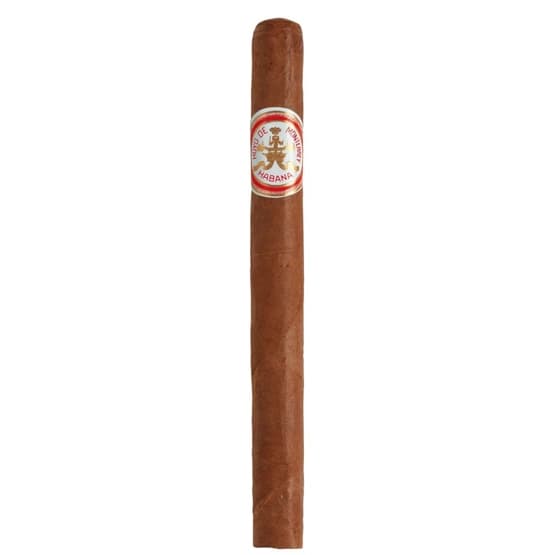
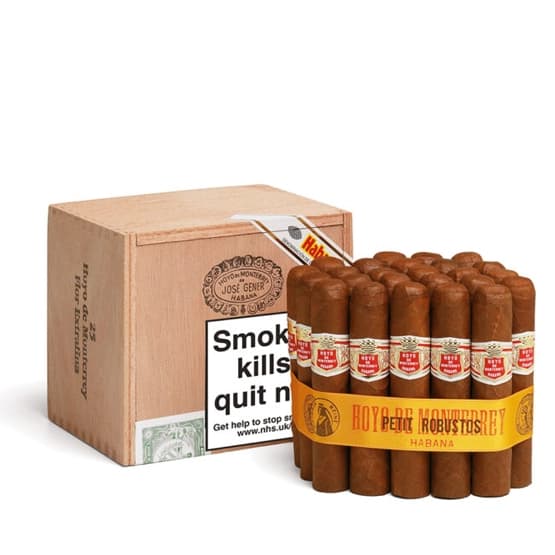
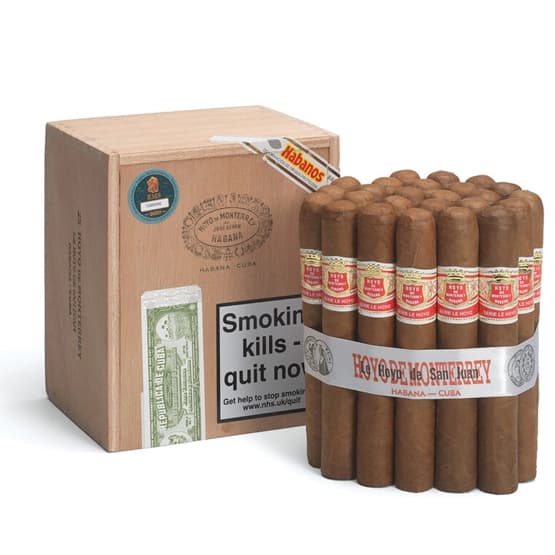
For the discerning aficionado looking beyond the ubiquitous hand-rolled premiums of the modern era, the history of Cuban tobacco offers intriguing anomalies that tell a deeper story about the industry's evolution. Among the most captivating of these historical footprints is the Hoyo de Monterrey Generes de Gener, a cigar that stands as a testament to a bygone epoch of manufacturing. While Hoyo de Monterrey is typically celebrated for its rich, hand-finished creations, this specific release charts a different course, offering a window into the mid-century industrial capabilities of the island. It remains a prized artifact for those who study the intricate tapestry of Cuban cigar production before the sweeping changes of the late 20th century.

The Marevas Vitola and Physical Dimensions
At the heart of the Generes de Gener lies its specific format, known in factory nomenclature as the Marevas. This designation is crucial for understanding the cigar's place in the pantheon of shapes. The Marevas is essentially the industry standard for the classic Corona, a size that has fallen out of fashion in recent decades but remains the gold standard for evaluating the combustion and flavor potential of a tobacco blend.

Technical Specifications
- Factory Name: Marevas
- Dimensions: 129 mm (5 ⅛ inches) in length
- Ring Gauge: 42
- Official Weight: 8.46 grams
These specifications reveal a cigar designed for balance and tradition. With a slender ring gauge of 42, the Generes de Gener prioritizes the wrapper leaf's influence on the flavor profile, a characteristic highly prized by smokers of the era. The 129 mm length ensures a smoking duration that fits comfortably within the mid-century lifestyle, offering a substantial yet manageable experience. This combination of length and girth places the cigar firmly in the category of classic corona sizes, a format that demands impeccable construction to ensure an even draw and burn—attributes that the production methods of the time sought to guarantee.
Manufacturing Method: The Machine-Made Era
Perhaps the most defining characteristic of the Generes de Gener, and the one that most distinctly separates it from the modern perception of the Hoyo de Monterrey brand, is its construction. Unlike the handmade masterpieces that dominate the brand's portfolio today, this particular model was produced using machine-made techniques. This fact is not a detraction but rather a historical marker, indicating a period when mechanized production was a standard and respected part of the Cuban cigar industry's output.
The decision to utilize machine construction was driven by a desire for uniformity and efficiency. During its production run, this method allowed the factory to maintain rigorous consistency in dimensions that could sometimes vary in hand-rolled batches. For the collector, this means that surviving examples of the Generes de Gener are notable for their structural integrity and precise shape, embodying the industrial precision of the mid-20th century. While modern connoisseurs often prioritize hand-rolling, the Generes de Gener serves as a reminder that machine-made cigars once held a significant and respected position in the regular production lineup of major Havana brands.
Packaging and Aesthetic Details
The visual presentation of the Generes de Gener adheres to the aesthetic codes of its time, featuring the early "Band 3" design that collectors associate with Hoyo de Monterrey's historical branding. This band style is distinct from the elaborate and colorful bands often seen on special releases today, offering a more minimalist and classic look that appeals to purists. The cigar was housed in a standard dress box containing 25 units, a packaging choice that emphasized its status as a regular production item rather than a limited edition novelty.
The very existence of these boxes in the secondary market provides a tangible link to the past. Finding a dress box of 25 today is a rarity, as these items were consumed rather than stored, making surviving examples important artifacts. They represent the daily smoking rituals of a previous generation, preserved through the specific branding and packaging styles that defined the pre-1960 and early revolutionary periods.
A Timeline of Production and Discontinuation
The life cycle of the Generes de Gener is bracketed by significant shifts in the global cigar market. Its initial release occurred prior to 1960, placing its genesis in the pre-revolutionary era or the very earliest days of the revolutionary government's consolidation of the industry. This timeframe situates the cigar within a transformative window, bridging the gap between the private cigar families of old Cuba and the emerging state-run enterprises.
The cigar remained a fixture in the lineup as a regular production item for over a decade. However, its journey concluded during the 1970s when it was officially discontinued. The cessation of production marked the end of this specific machine-made chapter for Hoyo de Monterrey. As the industry began to shift its focus increasingly toward export-quality, hand-rolled cigars to cater to emerging luxury markets, machine-made vitolas like the Generes de Gener were gradually phased out.
Today, the Generes de Gener survives only in auction catalogues and the humidors of serious collectors. It remains a fascinating subject for study, representing a specific manufacturing philosophy and a specific moment in time. For the historian, it is a piece of the puzzle explaining how Cuban tobacco bridged the mid-century gap between mass production and the artisanal renaissance that would follow.