Within the dynamic landscape of Cuban tobacco, few narratives are as poignant as the disappearance of classic vitolas that once defined the everyday smoking experience. The Hoyo de Monterrey Exquisitos stands as a prime example of this evolution, serving as a historical marker for a time when machine-made cigars held a significant and respected position within the Habanos S.A. portfolio. Though no longer rolling off the production lines, this cigar remains a fascinating subject for aficionados interested in the shifting tides of the industry.

Anatomy of a Lost Vitola
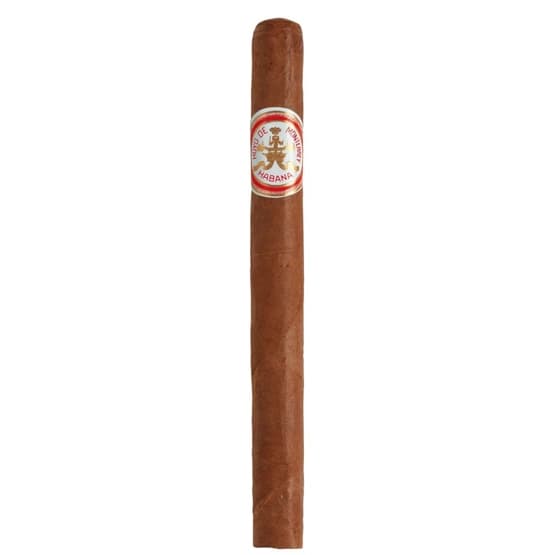
To understand the Exquisitos, one must first look at its physical dimensions and how it was crafted. Unlike the hefty, hand-rolled premiums that dominate the modern market, this cigar was a product of industrial efficiency. It was assigned the factory name Petit Cetros, a designation that hints at its slender and straightforward proportions.
The technical specifications reveal a cigar designed for a different era of consumption:
- Dimensions: Measuring 129 mm (approximately 5 1/8 inches) in length, the cigar offered a substantial burn time.
- Ring Gauge: At 40, the Exquisitos possessed a slender profile that contrasts sharply with the robust girth of contemporary preferences.
- Weight: The official weight clocked in at 7.75 grams.
- Construction: Crucially, this was a machine-made product, a detail that defined its market positioning.
The decision to produce the Exquisitos via machine was not a compromise on flavor, but rather a strategic choice to ensure consistency and affordability. By utilizing automated processes, the brand could deliver the characteristic taste of Hoyo de Monterrey—often described as elegant and grassy with a hint of cream—at a price point that was accessible to a much wider demographic.
Historical Timeline and Market Position
The origins of the Exquisitos trace back to an era preceding the Cuban Revolution, with the vitola launching prior to 1960. This pre-embargo debut cemented its status as a staple within the brand’s catalog. For over four decades, it served as a reliable workhorse in the Hoyo de Monterrey lineup, bridging the gap between the casual smoker and the dedicated connoisseur.
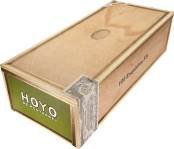
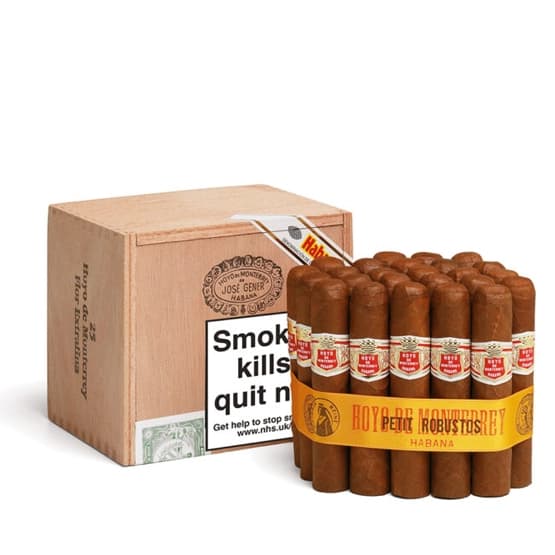
The cigar’s packaging was designed with practicality in mind. It was presented in distinctive dress boxes, each holding a total of 100 cigars. However, the internal organization was key to its retail success; the cigars were bundled into 20 small cardboard packs, with each pack containing five cigars. This "5-pack" mentality made the product incredibly convenient for consumers who wanted to purchase a manageable quantity without committing to a full box, a sales strategy that was ahead of its time.
The End of an Era: Discontinuation in 2003
After a run spanning more than forty years, the Hoyo de Monterrey Exquisitos was officially discontinued in 2003. This decision was not made in isolation but was part of a broader strategic shift within the Cuban cigar industry. As the global market for premium tobacco matured, the demand shifted decisively toward fully hand-rolled cigars. The perception of machine-made stogies began to wane, pushed aside by a new generation of smokers seeking the artisanal quality and prestige associated with handmade vitolas.
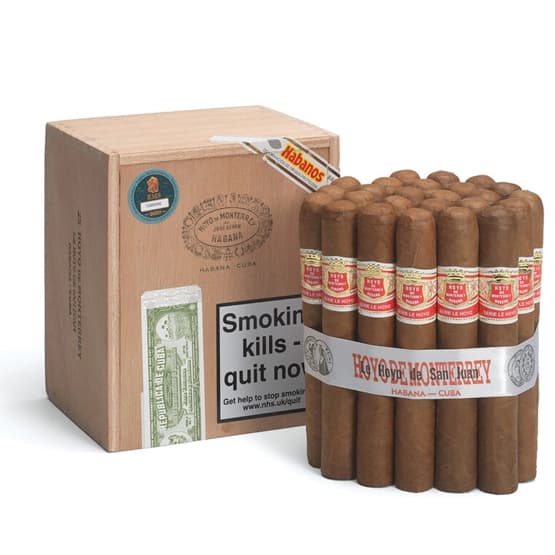
The discontinuation of the Exquisitos signaled the closing of a chapter for Hoyo de Monterrey. It highlighted a move away from "everyman" smokes toward a portfolio focused almost exclusively on luxury and craftsmanship. While the brand continues to thrive with other iconic names like the Epicure No. 2 or the Double Corona, the Exquisitos represents a bygone era of utilitarian smoking pleasure.
Legacy and Collectibility
Today, the Exquisitos survives only in the collections of enthusiasts and the inventories of specialized vintage retailers. For collectors, a box of these discontinued cigars offers more than just smoke; it provides a tangible link to the brand's industrial heritage. The survival of these machine-made vitolas in the secondary market allows historians and smokers to trace the evolution of Cuban tobacco manufacturing.
While the slender ring gauge and machine-bunched construction might seem antiquated by modern standards, the Exquisitos remains a beloved memory for those who enjoyed its reliable profile. It serves as a reminder that the Cuban cigar industry is not static; it is a living entity that sheds its skin, leaving behind relics like the Exquisitos for us to discover and appreciate long after the final ember has faded.