For the discerning aficionado looking beyond the contemporary allure of hand-rolled robustos, the vintage landscape of Cuban tobacco offers a compelling, albeit different, narrative. Among the most intriguing artifacts from the island’s industrial past stands the Hoyo de Monterrey Cristales No.1. This cigar is not merely a smoke; it is a timestamp from an era when Cuban manufacturing embraced automation to meet global demand. While modern collectors often obsess over limited editions and hand-finished caps, the Cristales No.1 serves as a reminder of a time when machine-made vitolas held a prestigious spot in the regular production lineup, offering a smoking experience that was both accessible and distinct.


The Rise of Automation in Cuban Tobacco
The story of the Cristales No.1 is inextricably linked to the mid-20th century, a transformative period for the Cuban cigar industry. Long before the industry pivoted almost exclusively toward premium, handmade luxuries, manufacturers relied heavily on machinery to produce consistent, high-quality cigars for the mass market. Hoyo de Monterrey, a brand steeped in the rich agricultural history of the Vuelta Abajo region, utilized this vitola to bridge the gap between artisanal tradition and industrial efficiency.
Entering the market prior to 1960, the Cristales No.1 established itself as a staple of the brand's regular production. It survived the tumultuous years of the Cuban Revolution and remained on shelves through the 1960s. However, as the global market began to shift its preference toward handmade craftsmanship during the 1970s, the decision was made to retire the line. Consequently, the Cristales No.1 was discontinued, leaving behind a legacy that captures a specific moment in manufacturing history where machine precision met Cuban leaf.
Technical Profile and Dimensions
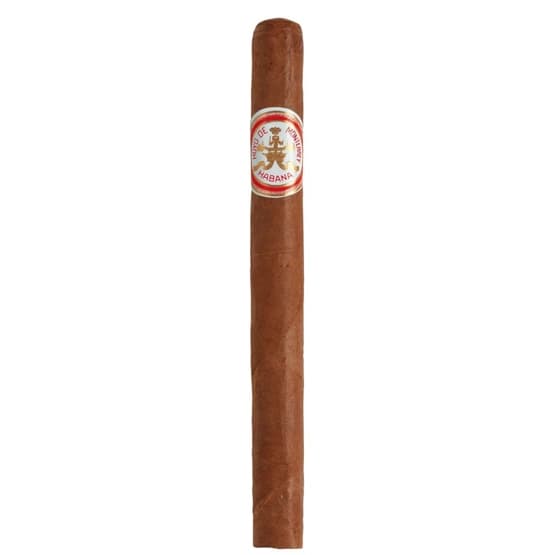
While the construction method sets this cigar apart from its handmade brethren, the dimensions of the Cristales No.1 adhere to a classic standard. The vitola falls under the factory designation of "Coronas," a size that was once the benchmark for the entire industry. This format offers a balanced ratio of length to girth, allowing for a consistent burn rate and a controlled flavor profile.
The technical specifications for this vintage release are as follows:
- Vitola Name: Cristales No.1
- Factory Name: Coronas
- Length: 142 mm (approximately 5⅝ inches)
- Ring Gauge: 42
- Official Weight: 9.29 grams
- Construction: Machine-made
- Band: Standard Hoyo de Monterrey livery
The machine-made construction ensured a uniform density and draw, eliminating the occasional variability found in hand-rolled cigars of the same era. Weighing in at just over 9 grams, the cigar possessed a substantial feel, promising a smoking session of respectable duration.
Packaging Innovation: The Glass Era
Perhaps the most defining characteristic of the Cristales No.1 was its presentation. In an era before the widespread use of cellophane and modern humidification systems, preserving the freshness of cigars was a primary concern for both retailers and consumers. Hoyo de Monterrey addressed this challenge with an elegant solution that gave the cigar its name—glass tubes.
The Cristales No.1 was available in two primary retail formats, both designed with preservation and aesthetics in mind:
- The Dress Box: A traditional cabinet-style box containing 25 cigars, with each individual cigar encased in its own glass tube.
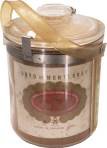
- The Glass Jar: A distinctive large glass vessel containing 50 cigars, a presentation style that has become highly iconic among collectors.
The use of individual glass tubes was a practical innovation, effectively sealing the cigar from the elements and ensuring that the tobacco retained its essential oils and moisture. For the retailer, the glass jar presentation offered a visually striking display that allowed customers to inspect the cigars without handling them, while simultaneously protecting the inventory from damage. This focus on preservation and presentation highlights the brand's commitment to quality, even within their machine-made portfolio.
Collectibility and Modern Value
Today, finding a surviving example of the Hoyo de Monterrey Cristales No.1 is a rare treat. Because the cigar was discontinued in the 1970s and produced via machine methods, the population of well-preserved specimens has dwindled significantly. Collectors specializing in pre-revolutionary and mid-century Cuban tobacco prize these cigars for their historical context rather than just their smoking properties.
The packaging itself has become a major driver of collectibility. Intact glass jars and dress boxes with their original tubes are sought after as display pieces, representing a bygone era of industrial design. For the historian, the Cristales No.1 offers a window into the operational strategy of Hoyo de Monterrey—a strategy that prioritized delivering a consistent Cuban experience at an accessible price point. As the years pass, these machine-made relics continue to gain prestige, cementing their status as essential acquisitions for those looking to complete a comprehensive collection of Cuban cigar history.