For the discerning collector of Cuban tobacco, few pursuits are as rewarding as unearthing the stories behind the island’s discontinued vitolas. Among these lost treasures, the Hoyo de Monterrey Bonitas stands out as a quintessential example of mid-century elegance. While modern trends often favor thick, hefty gauges, this slender creation harkens back to an era where finesse and delicacy were the true measures of a premium cigar. It serves as a tangible reminder of the Hoyo de Monterrey brand’s historic commitment to nuanced, aromatic blends packaged in a format designed for the refined palate.

Anatomy of a Slender Classic
The physical specifications of the Bonitas reveal much about the smoking preferences of the past. Known by the factory vitola name Perlas, this cigar was constructed to offer a concentrated burst of flavor in a compact package. Unlike the "Robusto" revolution of recent decades, which prioritizes girth, the Bonitas focused on length-to-diameter ratios that encouraged a focused burn and an evolving flavor profile.
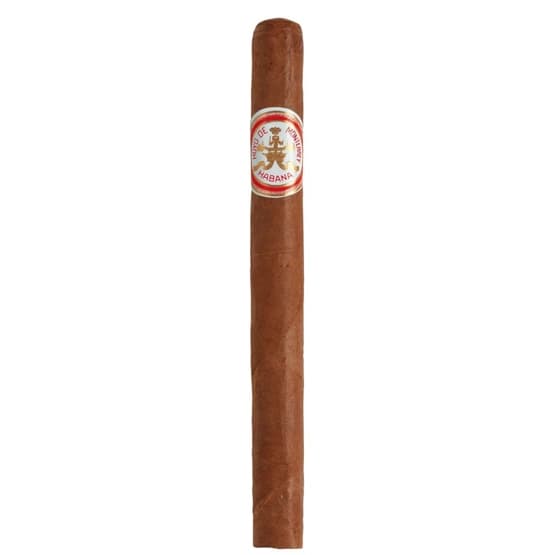
Measuring 102 millimeters (approximately 4 inches) in length, the cigar falls into the "short" category by modern standards, yet its 40 ring gauge places it firmly within the traditional "slender" classification. This dimension, often referred to as a "corona" width, allows the wrapper leaf—the most expensive and flavorful component of the cigar—to play a dominant role in the smoking experience. Weighing in at a mere 5.91 grams, the Bonitas was a masterpiece of economy and density, hand-rolled to ensure a perfect draw that thin formats demand.
Detailed Specifications
- Vitola (Factory Name): Perlas
- Dimensions: 102 mm (Length) x 40 (Ring Gauge)
- Manufacturing Method: Totalmente a Mano (Handmade)
- Official Weight: 5.91 grams
- Band Design: Standard Band B
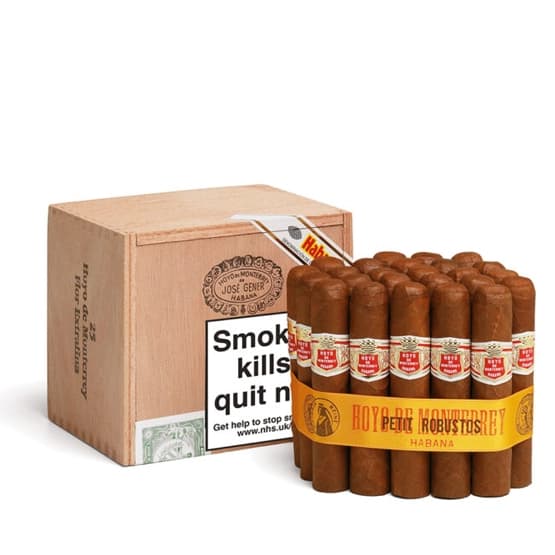
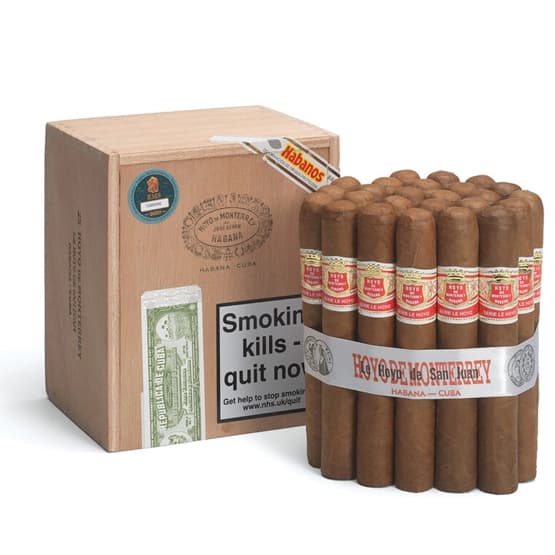
- Packaging: Dress boxes containing 25 units
A Historical Timeline: Rise and Retirement
The lineage of the Bonitas traces back to a vibrant period in Cuban history. Released prior to 1960, this vitola pre-dates the nationalization of the cigar industry and serves as a bridge between the private ownership era of the brand and the state-run operations that followed. For a brand like Hoyo de Monterrey, which has always been synonymous with the fertile San Juan y Martínez valley, the introduction of the Bonitas was a strategic move to offer aficionados a "morning smoke" or a quick afternoon interlude that did not compromise on the house’s signature vegetal and floral characteristics.
Throughout the 1960s and 1970s, the Bonitas maintained a steady presence in the Hoyo portfolio. It was a time when the "Perlas" format enjoyed widespread popularity across the island, utilized by various marques to deliver distinct flavor profiles. However, the cigar industry is subject to the shifting tides of consumer preference and economic rationalization. By the 1980s, the demand for slender vitolas began to wane as international markets, particularly in Europe and later the United States (pre-embargo context), began gravitating toward larger ring gauges. Consequently, the Bonitas was retired from regular production, effectively ending its run as a staple of the Hoyo de Monterrey catalog.
Artistry in Construction and Presentation
Rolling a thin cigar is often considered a greater test of a torcedor’s (cigar roller) skill than rolling a thick one. With a ring gauge of only 40, there is little margin for error; the bunching must be perfectly consistent to prevent tight draws or tunneling. The Bonitas was a handmade product, relying on the dexterity of Cuban artisans to maintain structural integrity in such a slender format.
Visually, the cigar adhered to the brand’s conservative yet iconic aesthetic. It featured the "Standard band B," a designator used during that specific production period, which identified it clearly to retailers and smokers alike. The presentation was completed through traditional dress boxes, each holding 25 cigars. This style of packaging, often featuring lithographed lids with intricate brand imagery, added to the allure of the product, making the box itself a collectible item long after the cigars inside had been enjoyed.
The Enduring Legacy of the Perlas Format
Though the Hoyo de Monterrey Bonitas is no longer rolling off the production lines of Havana, its ghost lingers in the humidors of vintage collectors. The discontinuation of the vitola has elevated its status from a regular production item to a sought-after rarity. For those lucky enough to encounter a well-preserved box from the 1970s, the experience offers a window into the past—a chance to taste the terroir of the Vuelta Abajo as it was expressed through a thinner, more delicate lancet.
While the specific Bonitas model faded into history, the Perlas vitola itself did not disappear entirely from the Cuban landscape. Other brands within the Habanos S.A. portfolio have adopted the format, but the Hoyo de Monterrey expression remains distinct for its specific balance of strength and aromatic complexity. Today, the Bonitas is studied by cigar historians not just as a discontinued SKU, but as a representation of an older, perhaps more refined era of cigar making, where elegance was prioritized over raw power.