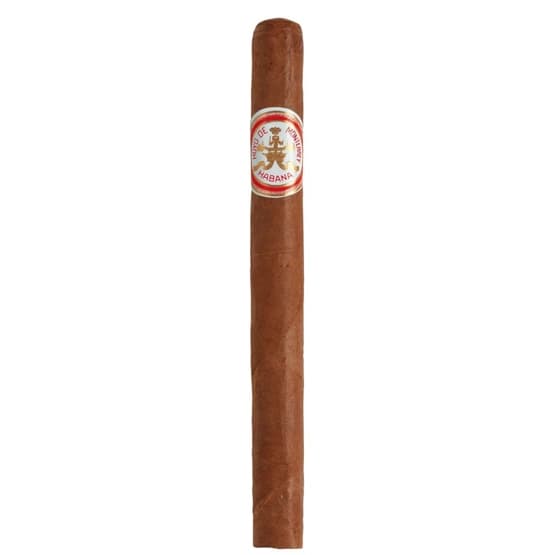
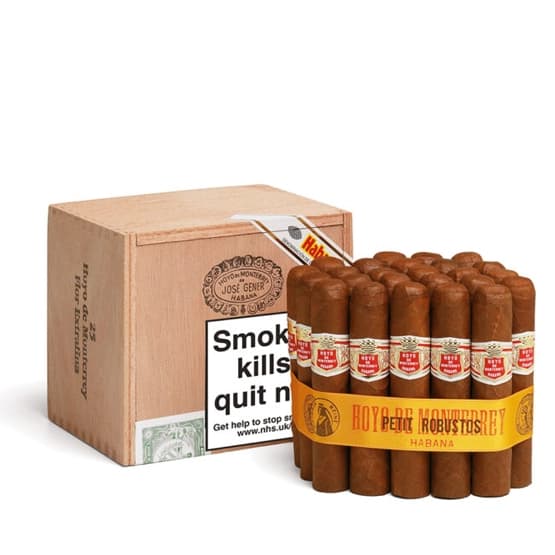
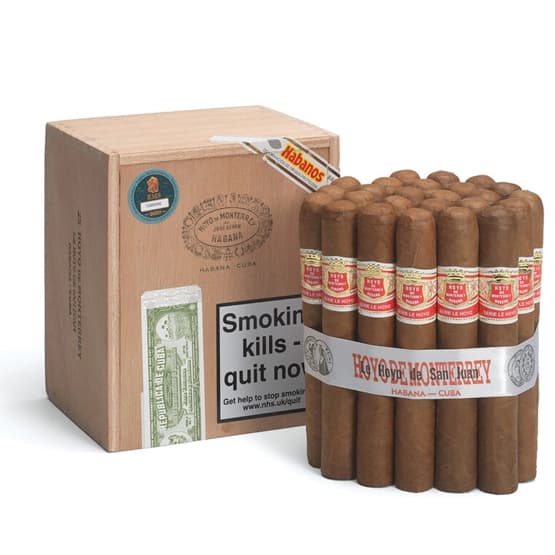
Few elements in the world of premium Cuban cigars carry as much historical weight as the unassuming paper ring that encircles a perfectly rolled bundle of aged tobacco. For the Hoyo de Monterrey brand, these decorative bands have silently documented nearly a century of craftsmanship, market shifts, and manufacturing innovation. More than mere ornamentation, these bands serve as a sophisticated classification system that helps enthusiasts trace the lineage and authenticity of their prized possessions. The story of how a simple identification mechanism evolved into a collector's obsession reveals much about the enduring appeal of Cuba's most storied tobacco houses.
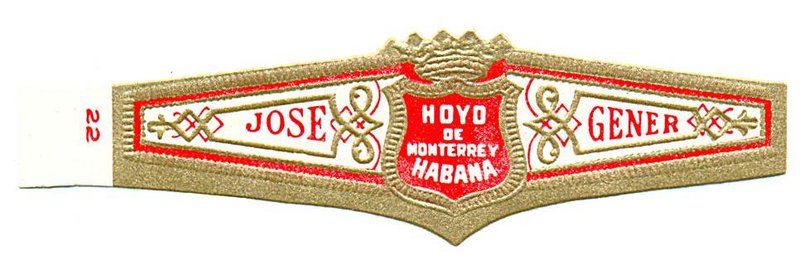

The Evolution of Hoyo de Monterrey Bands
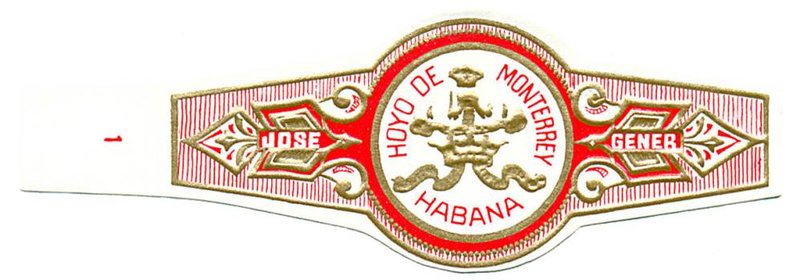
The journey of Hoyo de Monterrey's banding philosophy began in the early twentieth century, when the brand recognized the need to distinguish its growing portfolio of vitolas. What started as a practical solution for product identification gradually transformed into an intricate system of visual communication. Each band modification reflected broader changes in production capabilities and market demands, creating a timeline that collectors could read like chapters in a novel. The introduction of embossing techniques marked a pivotal moment, elevating these paper rings from functional items to miniature works of art. This embossed detailing became synonymous with the brand's commitment to excellence, appearing on most standard productions while certain specialized packaging received more understated treatment.
The Five-Tier Classification System
Understanding the systematic approach Hoyo de Monterrey developed requires examining how the brand organized its banding according to specific physical characteristics. The heaviest gauged cigars received what collectors label as Type A bands, a designation that has remained in continuous production since the 1920s. These robust bands feature the signature embossed finish that defines the brand's aesthetic identity. Type B bands were introduced during the 1950s to accommodate medium-ring cigars, incorporating the same embossed details while maintaining proportion with more slender formats. This era also brought Type C into existence, specifically engineered for the slimmer vitolas in the portfolio, ensuring that even the most delicate proportions received appropriate banding. Both Type B and Type C remained in production until approximately the early 2000s, when changing market preferences prompted their discontinuation. The aluminum tube presentation, known as Tubos, required its own specialized band design, labeled Type D, which notably lacked the embossed detailing found on other classifications. This simplified approach suited the practical requirements of tube packaging and continued until the mid-2000s. The most recent addition, Type E, emerged around 2003 to serve general application needs, reintroducing the embossed finish with contemporary design sensibilities.
Collecting and Authentication Value
For enthusiasts and investors in the premium cigar market, understanding these band classifications proves essential for authentication and dating purposes. The progression of band styles creates a reliable framework for determining a cigar's approximate age and production period. A Band A from the 1920s shares fundamental design principles with its contemporary counterpart, yet subtle variations reveal the hand of different eras. The medium and slender gauge bands from the 1950s represent particularly sought-after specimens among serious collectors, as they capture a specific moment in the brand's evolution. The absence of embossing on Band D specimens immediately identifies their tube packaging origins, while the current Type E bands demonstrate how the brand balances tradition with modern sensibilities. Authentication experts often examine the paper quality, printing techniques, and color variations that distinguish genuine vintage bands from later reproductions, making the study of these seemingly mundane accessories a sophisticated discipline.
Special Releases and Commemorative Varieties
Beyond the standard classification system, Hoyo de Monterrey has periodically released cigars adorned with distinctive bands marking significant milestones and limited productions. The 510 Aniversario band commemorates a landmark anniversary celebration, creating immediate recognition among collectors familiar with the brand's history. Certain substantial vitolas, such as the Double Epicure, received supplementary second bands to provide additional identification for their impressive dimensions. Similarly, the Epicure Especial variant maintains its own dedicated second band designation, helping enthusiasts navigate the brand's diverse offerings. These special edition bands often appreciate significantly in value, as they represent finite production runs and commemorative moments frozen in paper and ink. The careful documentation of these variations continues to fuel scholarly interest in the brand's output, ensuring that even the smallest bands carry tremendous historical significance.