
Lighting a handcrafted Cuban cigar is more than a habit—it's a deliberate pause, a moment to engage all your senses with something created from the world's finest tobacco fields. Unlike cigarettes, a premium cigar is meant to be tasted and appreciated, never inhaled. Each draw reveals layers of complexity that unfold at their own pace. If you're preparing for your first Cuban smoke, understanding how to choose and prepare it properly will make all the difference between an ordinary moment and a memorable ritual.
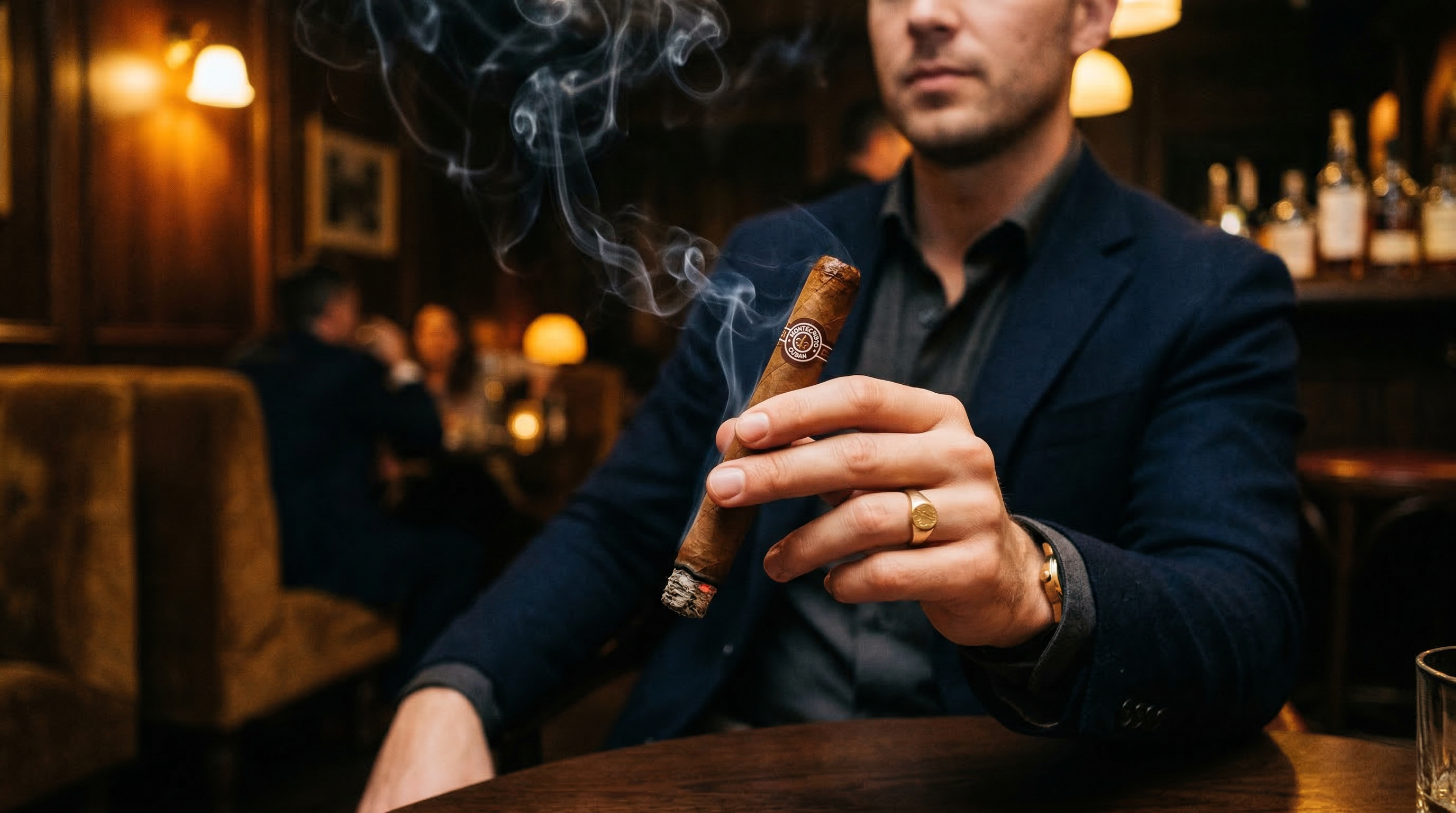
Picking Your First Cuban Smoke
Newcomers should seek out milder options that won't overpower an developing palate. Look for petit coronas or robustos—these compact shapes typically smoke for 30 to 50 minutes and deliver satisfying flavor without overwhelming complexity. The goal is to build your appreciation gradually.
Several excellent entry-point Cubans deserve consideration. The Hoyo de Monterrey Epicure No. 2 offers creamy, accessible notes that introduce beginners to the characteristic Cuban profile. The Montecristo No. 4 remains the world's benchmark—balanced with cedar and coffee undertones that showcase what these cigars are known for. For something even gentler, the H. Upmann Half Corona delivers mild, refined flavors in a short format perfect for a first experience. The Romeo y Julieta Short Churchill provides medium-bodied substance with a manageable runtime.
Resist the temptation to start with powerhouse brands like Bolivar or Partagas Serie D. These robust smokes require an established palate to fully appreciate their intensity. Build your foundation first, then explore the bolder end of the spectrum.
Preparing the Cigar: The Cut
Every premium cigar arrives with a closed cap at the mouthpiece end. This sealed tip must be opened before smoking to allow proper airflow. The objective is creating a clean entrance point that permits an even, smooth draw without harming the delicate wrapper leaf that holds everything together.
Straight Cut
The guillotine remains the most widely used cutting method. Position the blade about 2-3 millimeters from the cap's tip and make a swift, decisive cut. This removes just enough to open the cigar while preserving the structural integrity of the body. A clean straight edge produces consistent airflow and represents the simplest technique for novices to master.
V-Cut
A specialized V-cutter carves a wedge-shaped notch directly into the cap, forming a narrow channel that concentrates the smoke. This approach works exceptionally well with thicker cigars and intensifies flavor delivery by limiting the opening size. The design also makes it nearly impossible to cut too deeply, offering beginners a forgiving option that still produces excellent results.
Punch Cut
A circular blade creates a small round aperture in the cap when twisted into the tobacco. This method generates a tighter draw that many experienced smokers prefer for larger ring gauge cigars. The punch minimizes risk of wrapper damage since only a tiny portion is removed. However, it performs poorly on figurado shapes with tapered heads.
Regardless of method, always use sharp, purpose-built tools. Never bite or tear the cap—these approaches create ragged edges that obstruct airflow and can cause the wrapper to unravel during smoking.
Enjoying the Experience
Once cut, hold the cigar at a slight angle and touch the foot to your flame source. Rotate slowly to toast the end evenly before drawing. This initial toasting prevents bitterness and ensures an even burn from the very first puff. Remember to puff gently and infrequently—rushing leads to overheating, while neglect causes the ember to extinguish. A well-paced smoke reveals its flavors gradually, rewarding patience with the full expression of Cuban tobacco craftsmanship.