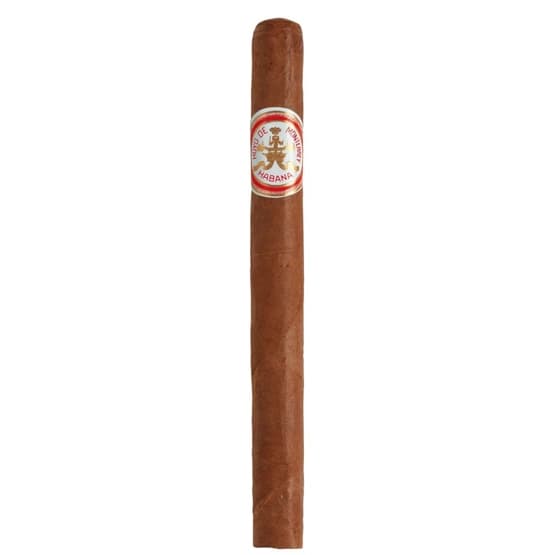
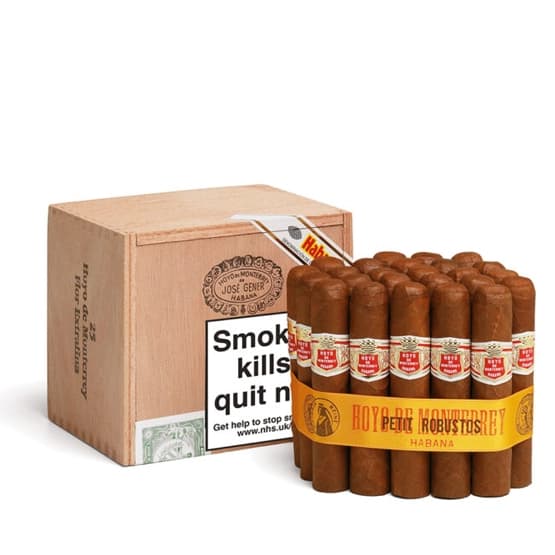
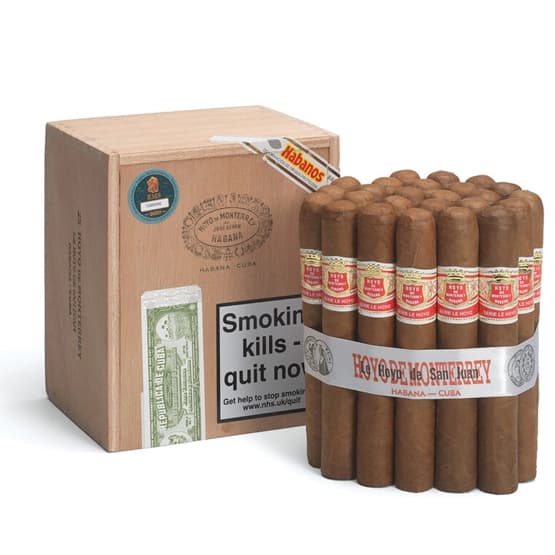
In the pantheon of premium Habanos, few names evoke the image of a gentle, refined smoke quite like Hoyo de Monterrey. While many brands vie for attention through brute strength or intense spice, Hoyo de Monterrey has carved a distinct niche as the connoisseur’s choice for elegance and complexity. For aficionados looking to deepen their humidor selection, understanding the nuances of Hoyo de Monterrey vs. other Cuban cigar brands - a comparative analysis is essential. This guide explores what makes this historic brand unique, how it stacks up against giants like Cohiba and Montecristo, and why it remains a staple for smokers who prefer flavor over force.
A Legacy Rooted in the Vuelta Abajo
The story of Hoyo de Monterrey is one of geography and vision. Founded in 1865 by Don José Gener y Batet, the brand owes its name to the fertile "hole" (hoyo) of land in the San Juan y Martínez region of the Vuelta Abajo. This specific micro-climate is widely considered the prime tobacco-growing soil in the world. Gener recognized that tobacco grown in this low-lying terrain possessed a unique delicacy.
Unlike the heavier, earthier tobaccos favored by brands such as Partagas, Hoyo de Monterrey was built on a foundation of smoothness. Gener’s vision was to create a cigar that delivered the complexity of premium Cuban tobacco without overwhelming the palate. Today, the brand remains a benchmark for the "light to medium" category, proving that a cigar does not need to be strong to be satisfying. The heritage of the brand is preserved through the ligada (blend), which relies heavily on Seco and Volado leaves to maintain its characteristic smoothness.
The Distinctive Hoyo de Monterrey Flavor Profile
When conducting a tasting analysis, Hoyo de Monterrey is often described as the "white wine" of Cuban cigars. It is defined by a distinct grassy, almost hay-like quality, intertwined with cedar, cream, and subtle floral notes. This profile makes it incredibly approachable for novice smokers, yet complex enough to retain the interest of seasoned veterans.
The construction of Hoyo cigars is renowned for excellent draw and burn, a testament to the rigorous quality control standards of cuban cigars. The wrapper leaves are typically a beautiful Colorado or Colorado Claro shade, contributing to the cigar's visual elegance.
Key tasting notes often identified by experts include:
- Grass and Hay: A fresh, vegetative quality that defines the brand.
- Creamy Coffee: A smooth, milky espresso finish often found in the Epicure vitolas.
- Cedar and Spice: A balanced woody backbone with hints of nutmeg or cinnamon.
- Floral Undertones: Particularly prominent in the thinner vitolas of the Le Hoyo series.
Popular vitolas like the Hoyo de Monterrey Epicure No. 2 exemplify this profile perfectly, offering a robusto that is substantial enough to satisfy yet smooth enough to be an "everyday" luxury.
Comparative Analysis: Hoyo vs. The Giants
To truly appreciate Hoyo de Monterrey, one must place it in context with the other titans of the industry. Each brand occupies a specific place on the flavor spectrum, and understanding these differences is crucial for any aficionado.
Hoyo de Monterrey vs. Cohiba
The comparison between Hoyo and Cohiba is a study in contrasts. Cohiba, often regarded as the flagship brand of Habanos S.A., is known for its intense, grassy strength and premium pricing. Cohibas often feature the coveted medio tiempo leaf (particularly in the Siglo series and Línea 1492), which adds a unique complexity and strength.
Hoyo de Monterrey, by comparison, offers better value for money and a more relaxed smoking experience. While Cohiba demands attention with bold flavor spikes, Hoyo invites contemplation with a steady, even burn and creamy texture. If Cohiba is the grand gala dinner, Hoyo is the relaxing Sunday brunch. For smokers who find Cohiba too aggressive or expensive, Hoyo provides a refined alternative that retains the prestige of a true Cuban.
Hoyo de Monterrey vs. Montecristo
Montecristo is the world's best-selling Cuban cigar brand, known for a slightly more robust, medium-to-full profile with distinct cocoa and coffee bean notes. It is the "standard" by which many judge Cuban cigars.
In this comparison, Hoyo de Monterrey is lighter and more aromatic. Where a Montecristo No. 2 might present a leathery, peppery kick, a Hoyo de Monterrey Epicure No. 2 will offer a toastier, creamier experience. Many smokers eventually graduate to Hoyo after starting with Montecristo, seeking a flavor profile that is more nuanced and less "punchy." If you enjoy the construction of Montecristo but prefer a milder flavor profile, Hoyo is the logical switch.
Hoyo de Monterrey vs. Partagas
Partagas is famous for its earthiness and strength. It is a brand for those who enjoy a hearty, full-bodied smoke with deep notes of soil and spice. Placing Hoyo next to Partagas highlights the elegance of the Hoyo blend. Where Partagas can be heavy on the palate, Hoyo is airy and refined. They serve opposite purposes: Partagas is often a post-dinner digestif, while Hoyo is a perfect morning cigar, pairing exceptionally well with coffee or light tea.
Buying Advice and Aging Potential
One of the most overlooked aspects of Hoyo de Monterrey is its aging potential. Because the blend is naturally mild, it can age gracefully for decades. The initial grassy notes will mellow into rich honey and toasted nut flavors, while the cedar notes become more pronounced. A well-aged Hoyo de Monterrey Double Corona is often considered a pinnacle smoking experience.
When purchasing, be aware of counterfeits. Authentic Hoyo cigars feature a distinct orange-yellow band with the brand name in red and gold. The boxes are slide-lid (SLB) style, usually made of cedar, which aids in the aging process. For those looking to start their collection, the Epicure Especial is a fantastic modern addition to the line, offering a slightly larger ring gauge that cools the smoke and amplifies the creamy flavors.
Ultimately, the