
For the serious aficionado, the landscape of cigar literature is often defined by technical manuals and pocket-sized guides meant for quick reference. However, a distinct category of publishing elevates the hobby to a form of high art. Among these works, the 1997 release of "Havana Cigars" stands out as a monumental achievement. It captures the essence of a pivotal moment in tobacco history, preserving the legacy of Cuban craftsmanship during the dynamic decade of the 1990s. This volume is not merely a catalogue; it is a comprehensive archive that blends rigorous scholarship with stunning visual presentation.


The Architects of Appreciation
The creative force behind this impressive hardcover was the collaborative partnership of Gérard Père et Fils. This father-and-son team had already secured their status as leading authorities in the field well before this particular book went to print. Their reputation was largely built on the success of their earlier work, "The Connoisseur's Guide to Havana Cigars," a project that debuted in 1990 and underwent significant revisions in 1992 and again in 1997. While their previous efforts provided a solid foundation of knowledge, this new title sought to expand the reader's horizon, moving beyond basic identification into the realm of sensory appreciation.
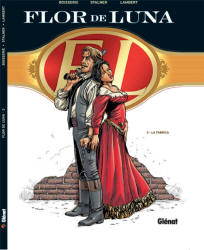
Written circa 1995 and initially hitting shelves in 1997, with a subsequent reprint run occurring in 1999, the book reflects a specific era of production. The authors utilized this volume to deepen the narrative started in their earlier guides, offering readers a more immersive experience. Their later bibliography would continue this trajectory of blending technical expertise with artistic flair, most notably in the expansive two-volume set "L'art du Cigar" and the illustrated work "Flor de Luna," which explored cigar themes through cartoons.
A Visual Feast for the Senses
One cannot discuss this book without acknowledging its sheer physical presence. Measuring an impressive 295mm by 250mm, the volume spans 140 pages of high-quality stock, making it a substantial addition to any coffee table. The publishers clearly intended for the photography to take center stage. The book is saturated with full-color imagery that brings the subject matter to life in vivid detail.
What sets the visual presentation apart is the dedication to scale. The authors included life-sized photographic reproductions of the cigars, allowing the reader to appreciate the subtle differences in girth and length that define various vitolas. This attention to visual accuracy supports the text’s focus on the aesthetic and sensory dimensions of smoking. By presenting the cigars in their true proportions, the book allows the reader to visually dissect the construction and color of the wrappers, offering an experience that feels almost tangible.
Structure and Classification
The organizational logic of "Havana Cigars" employs a unique dual-methodology that distinguishes it from lesser reference materials. The authors understood that enthusiasts approach the hobby from different angles—some are loyal to specific marques, while others prioritize the shape and size of the smoke itself. To accommodate both perspectives, the content is organized by brand and by size using common nomenclature.
- Brand Focus: Readers can explore the portfolio of a specific manufacturer, tracing the distinct style and character associated with that house.
- Size Classification: Alternatively, one can compare cigars across different brands within the same vitola category, examining how different producers interpret the same format.
This structure serves to highlight the authors' detailed characterizations of style, aromatic profile, and flavor notes. Rather than simply listing dimensions, the text delves into the personality of each cigar, guided by the duo’s extensive tasting notes. This approach transforms the book from a simple directory into a guide for developing one's palate.
A Time Capsule of Cuban Heritage
Today, more than two decades after its initial publication, the book serves a purpose its authors may not have fully anticipated: it acts as a definitive historical record. The Cuban cigar industry has undergone significant evolution since the mid-1990s. Blends have shifted, sizes have been discontinued, and new brands have emerged. This volume freezes time, offering a detailed portrait of the industry exactly as it stood during that vibrant period.
For the modern collector, the book provides a crucial baseline for understanding how specific cigars have evolved over time. It captures nuances of flavor and production standards that might otherwise be lost to history. While the tobacco world continues to change, the "Havana Cigars" reference remains a rewarding and relevant read, preserving the heritage of Cuban tobacco for future generations to study and admire.