
For the discerning aficionado, the ring of paper encircling a Havana cigar is far more than a decorative afterthought; it is a complex signature of origin, a seal of quality, and a historical artifact all rolled into one. These bands, known as anillas in Spanish, serve as the primary method for identifying the lineage of a smoke. For those who collect these pieces of tobacco history, learning to interpret the subtle nuances of design, texture, and timing is an essential skill, transforming a simple smoking accessory into a roadmap of Cuban cigar heritage.

The Standardization Era: A Unified Visual Language
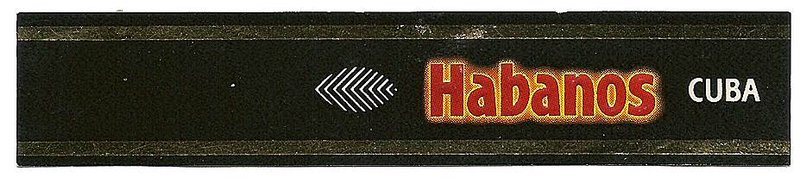
The landscape of Cuban cigar branding underwent a dramatic transformation in the mid-1990s. Prior to this period, bands varied significantly, but starting in 1996, Habanos S.A. implemented a sweeping standardization initiative. This strategic move introduced a general-purpose design philosophy that was applied across the vast majority of their cigar portfolio. The goal was to bring visual harmony to the diverse stable of brands under the Cuban umbrella, ensuring that while each marca retained its unique color palette and typography, they all shared a unified corporate aesthetic.
However, this shift was not purely cosmetic. The introduction of the post-1996 standard bands brought with it a sophisticated security feature that remains a cornerstone of authentication today: embossing. This technique involves creating raised, three-dimensional elements on the paper surface of the band.
- Tactile Verification: The embossing provides a distinct texture that can be felt with a fingertip, offering an immediate physical test of legitimacy.
- Visual Depth: The raised surfaces catch ambient light in specific ways, creating a play of shadow and shine that flat-printed counterfeits struggle to replicate.
- Manufacturing Complexity: Producing these textured bands requires specialized industrial presses, raising the bar for counterfeiters attempting to mimic the precise relief of a genuine band.
Rarities for the Connoisseur: Special and Commemorative Issues
While standard bands serve the everyday market, Habanos occasionally releases cigars adorned with unique rings designed for specific events or milestones. These limited-production bands are highly prized in the collector's market, often serving as the focal point for high-end auctions and private collections. Unlike the general issue rings, these designs often feature unique iconography, specific dates, or colorways that deviate from the norm.
Notable Limited Edition Rings
Two specific releases stand out as milestones in the timeline of special edition bands, marking pivotal moments in the industry's history.
The 1994 Humidor Release: This particular band is legendary among purists. Created to accompany a landmark humidor release, the design serves as a timestamp for a year that reshaped the structure of the Cuban cigar industry. Finding a cigar with this specific band is a rare occurrence, as it signifies a piece of history from a definitive era of transition.
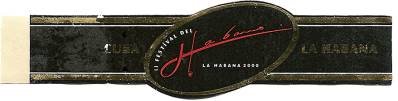
The Festival 2000 Band: To mark the turn of the millennium and the celebrations surrounding the annual Havana Festival, Habanos produced a distinct band. This design commemorates the intersection of a new century and the enduring culture of Cuban tobacco. It remains a sought-after item, distinct in its styling and representative of a global celebration of cigar culture.
Authenticity and the Battle Against Counterfeits
For the serious collector, the study of bands is not an academic exercise but a practical defense against fraud. The counterfeit market is flooded with imitation Cubans, and the band is often the first line of defense. The embossing technique introduced in the standardization of the 1990s is a primary tool in this fight. Fakers often lack the machinery to produce deep, crisp embossing, resulting in bands that look flat or blurry under magnification.
Furthermore, color matching is a critical authentication point. Genuine Habanos bands utilize specific ink formulas that result in deep, consistent reds, golds, and blacks. Counterfeit operations frequently produce bands where the colors appear washed out, overly bright, or slightly "off" from the official corporate palette. By comparing the raised texture and the precise hue of the ink against verified examples, collectors can spot even high-quality fakes. Ultimately, understanding the evolution of these bands—from the standard embossed issues to the rare commemorative runs—provides the knowledge necessary to distinguish a genuine piece of Cuban history from a clever reproduction.