When navigating the prestigious world of Habanos, few comparisons generate as much passionate debate among aficionados as h. upmann vs. other top cuban cigar brands - a comparative review. Whether you're drawn to the refined elegance of a classic torpedo or the bold intensity of a robusto, understanding the subtle distinctions between these legendary marcas can elevate your smoking experience from ordinary to extraordinary. H. Upmann stands as a testament to Cuban craftsmanship, offering a distinctly different philosophy than powerhouses like Cohiba or Partagás. In this comprehensive analysis, we'll explore how this historic brand competes with its contemporaries, examining everything from tobacco blending techniques to aging potential, helping you make informed decisions for your next humidor addition.
Historical Legacy: The Banker's Vision vs. Modern Icons
The story of H. Upmann begins in 1844 when Herman Upmann, a German banker, began distributing cigars as promotional gifts to his most valued clients. What started as clever marketing quickly evolved into one of the most respected names in Cuban cigars, with the brand earning gold medals in international exhibitions throughout the late 19th century. This banking heritage influenced the brand's character—sophisticated, reliable, and understated rather than ostentatious.
Compare this origin to other top-tier Habanos marcas: Cohiba emerged in 1966 as Castro's private diplomatic gift, Montecristo took its name from Dumas' literary classic in 1935, and Partagás traces back to 1845 with Don Jaime Partagás's relentless pursuit of bold flavors. While Cohiba represents revolutionary exclusivity and Partagás embodies raw power, H. Upmann cultivated a reputation for refined consistency that appeals to connoisseurs who appreciate nuance over intensity. The brand's historical significance is further cemented by its status as one of the oldest continuously produced Habanos still manufactured in Havana's legendary factories.
Flavor Profiles and Construction Philosophy
H. Upmann distinguishes itself through a medium-bodied profile that prioritizes elegance and complexity over brute strength. Typical tasting notes include:
- Cedar and Oak: Dominant woody notes reminiscent of humidor interiors and aged timber
- Toasted Almonds and Hazelnuts: Nutty undertones that develop throughout the smoke
- Subtle Sweetness: Hints of honey, vanilla, and dried fruit on the finish
- Creamy Texture: A smooth, velvety mouthfeel that never overwhelms the palate
- Floral Undertones: Delicate notes of jasmine and orange blossom in aged examples
In contrast, when examining h. upmann vs. other top cuban cigar brands - a comparative review, the differences become stark. Cohiba Robusto delivers fuller-bodied experiences with distinctive grassy, bean, and cocoa notes derived from extra fermentation processes exclusive to the brand. Montecristo No. 2 offers a spicier, more pepper-forward profile with coffee undertones, while Partagás Serie D No. 4 assaults the senses with earthy power, leather, and espresso strength that demands attention.
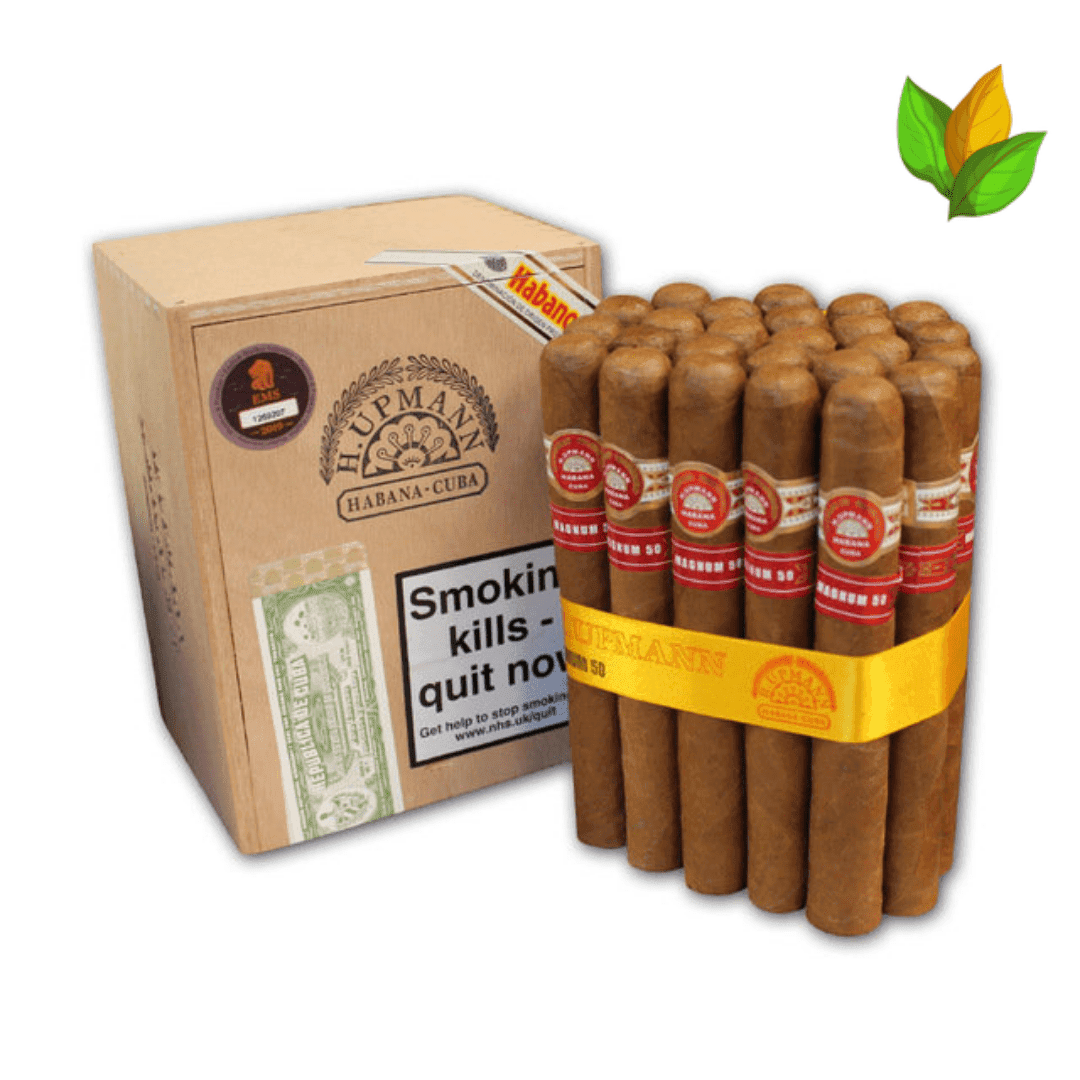
Construction-wise, H. Upmann maintains impeccable standards with triple-cap applications and consistent draw resistance. The brand's H. Upmann Magnum 50 exemplifies this precision, featuring flawless wrappers and expert rolling that ensures even burns and ash retention rivaling any competitor in the premium Cuban cigars market.
Head-to-Head: Comparative Analysis of Premium Offerings
When evaluating Habanos side-by-side, context matters as much as personal preference. H. Upmann's H. Upmann No. 2, a classic torpedo, presents an interesting counterpoint to Montecristo's similarly shaped No. 2. The Upmann offers a gentler entry, building complexity gradually through cedar and cream notes, while the Montecristo hits harder with initial spice and maintains a more aggressive character throughout the smoking session.
Against Cohiba's Siglo line, H. Upmann provides a more accessible price point without sacrificing sophistication. While Cohiba commands premium prices for its limited production and extra aging, H. Upmann delivers comparable refinement at a more approachable investment level, making it ideal for daily smoking rather than special occasions only.
The comparison with Romeo y Julieta reveals another dimension—both brands share a commitment to medium-bodied elegance, yet H. Upmann tends toward drier, woodier profiles while Romeo y Julieta emphasizes sweeter, more floral characteristics. For enthusiasts seeking the quintessential "morning coffee" cigar, H. Upmann's Connossieur A offers a more restrained alternative to the sometimes overly aromatic offerings from other heritage brands.
Selection, Aging, and Investment Potential
Selecting premium Cuban cigars requires understanding both immediate smoking potential and long-term aging characteristics. H. Upmann excels in cellaring, with many vitolas developing remarkable complexity after five to ten years of proper humidification. The brand's tobacco composition, featuring Vuelta Abajo leaves with higher ligero content than apparent in initial smoking, allows for significant evolution.
Storage recommendations for H. Upmann mirror those of other premium Habanos: maintain 65-70% humidity and temperatures around 65°F (18°C). However, collectors should note that H. Upmann's subtler flavor profiles actually benefit more from extended aging than bolder brands. While a Partagás might peak after three to five years, an H. Upmann Royal Robusto often requires seven to ten years to fully develop its promised nutty, caramelized complexity.
For buyers building diverse portfolios, H. Upmann serves as an essential "bridge" brand—sophisticated enough for special occasions yet affordable enough for regular enjoyment. When purchasing, prioritize recent production dates for immediate smoking, but seek older boxes (2018-2020) if you possess proper aging facilities. Always verify authenticity through official Habanos seals and purchase from authorized retailers to ensure you're experiencing genuine Cuban craftsmanship rather than counterfeits.
Final Verdict: Finding Your Perfect Match
Ultimately, h. upmann vs. other top cuban cigar brands - a comparative review reveals not superiority but distinct philosophy. H. Upmann occupies a unique position in the pantheon of Cuban cigars—the thinking person's smoke that rewards patience and attention. It won't overpower your palate like a Cohiba Behike, nor will it deliver the rustic intensity of a Bolivar Royal Corona. Instead, it offers a masterclass in balance, proving that restraint often requires more skill than excess.
For the seasoned aficionado, H. Upmann provides necessary variety in a well-stocked humidor, offering respite between heavier smoking sessions. For newcomers to Habanos, it represents an ideal entry point—approachable enough to avoid overwhelming sensitive palates, yet complex enough to maintain interest as your tasting abilities evolve. Whether you choose the iconic No. 2, the substantial Magnum 50, or the elegant Connossieur series, you're not just purchasing a cigar; you're investing in 180 years of Cuban heritage that continues to define excellence in tobacco craftsmanship.