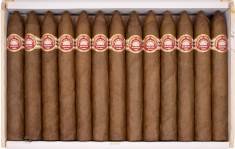
Few shapes command as much respect in the humidors of Havana as the pyramid, and within that elite category, the H. Upmann No. 2 stands as a towering achievement. This is not a modern invention chasing fleeting trends; rather, it is a survivor of history, having established its reputation well before the seismic shifts of the Cuban industry in the 1960s. As a permanent fixture in the brand's regular production lineup, it serves as a tangible link to the 19th-century origins of H. Upmann, offering smokers a definitive taste of genuine Cuban heritage with every puff.

The Architecture of a Classic Figurado
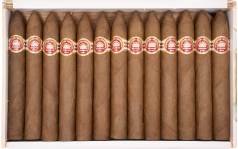
The Upmann No. 2 is constructed using the factory-specific "Piramides" vitola, a format revered for its functionality as much as its aesthetics. Measuring a generous 156 millimeters (approximately 6 1/8 inches) in length and boasting a 52 ring gauge, this cigar demands time and attention. The figurado shape is distinct: it features a sharply tapered head that narrows significantly, opening up to a broader foot. This design is not merely for show; the tapered tip acts as a natural restrictor, forcing the smoke to accelerate slightly as it enters the mouth. This action concentrates the flavors onto the palate, a quality highly prized by aficionados who find that the shape enhances the smoking experience. Weighing in at 14.26 grams, the handmade construction ensures a firm yet yielding draw that allows the blend's character to evolve from the cool start to the finale.
A Flavor Profile Rooted in Earth and Wood
Smokers looking for a nicotine knockout may be surprised by the No. 2's refined demeanor. Consumer ratings consistently place its strength at a moderate level, scoring roughly a 3 out of 5. Instead of raw power, this vitola prioritizes elegance and balance, both of which score highly in user reviews. The tasting journey is anchored by a triad of classic Cuban notes: cedar, leather, and coffee. These woody, earthy elements provide the backbone of the experience, creating a dry, savory foundation that defines the brand's identity.
However, the complexity of the smoke does not end with the primary notes. As the burn progresses, a secondary layer of flavors emerges, characterized by creamy textures and hints of nuts and shortbread. This introduction of sweetness balances the savory base, preventing the profile from becoming one-dimensional. Keen palates might even detect subtle accents of honey and black pepper, particularly in the final third. The overall score of nearly 4 out of 5 reflects a cigar that delivers on its promise, offering a smooth, refined aftertaste that lingers long after the smoke has cleared.
- Primary Flavors: Cedar, Coffee, Leather
- Secondary Notes: Nut, Cream, Shortbread
- Subtle Accents: Honey, Pepper, Baking Spice
Historical Legacy and Collectibility
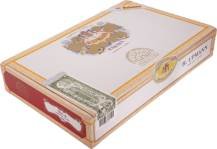
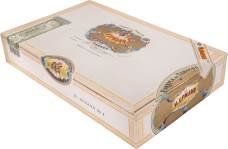
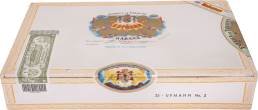
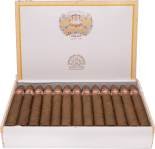
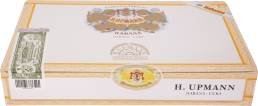
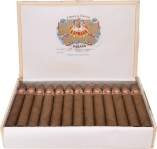
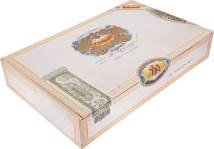
The reputation of the H. Upmann No. 2 is built on decades of consistent performance. Its status as a pre-1960 release means it has weathered the changing tides of the cigar world, remaining a favorite for generations. Packaged in dress boxes of 25 and adorned with the standard brand band, it presents a classic image of Cuban tradition. The cigar has proven so iconic that it served as the foundation for special edition releases, such as the sought-after H. Upmann No. 2 found within the Siglo XXI Millennium Humidor.
While the flavor profile is undeniably the draw, the construction quality also earns high marks. The burn is typically even, and the draw—often a point of contention in handmade cigars—is frequently cited as exemplary. Whether one is a seasoned connoisseur appreciating the subtle twang of the tobacco or a newcomer eager to understand the allure of the pirámides format, the No. 2 offers a masterclass in balance. It stands as a testament to why H. Upmann has remained a household name for well over a century, bridging the gap between the storied past and the modern humidor.