In the ever-evolving landscape of Cuban tobacco, few things capture the imagination of the connoisseur quite like a discontinued classic. The H. Upmann Lonsdales stands as a prime example of this phenomenon—a vitola that transitioned from a readily available staple to a cherished piece of history. For smokers looking to understand the evolution of the island's most venerable brands, this specific cigar offers a window into a bygone era of production standards and flavor profiles.

A Legacy Discontinued
The story of this particular cigar is defined by its longevity and its eventual departure from the standard lineup. Originally introduced prior to the revolutionary turning point of 1960, the Lonsdales enjoyed a remarkable production run that spanned more than forty years. It served as a workhorse in the H. Upmann portfolio throughout the latter half of the twentieth century, reliably delivering the brand's characteristic profile to a global audience. However, the landscape changed permanently in 2002. In a move that redefined its status, production was officially halted, transitioning the cigar from a regular shelf item to a rare collectible. Today, finding a box requires navigating the secondary market, where well-preserved units are highly prized.
Technical Profile and Dimensions
To understand the smoking experience, one must first examine the technical specifications that define its construction. In the factory, this format is known by the name "Cervantes," a moniker that designates the classic Lonsdale shape. This size strikes a distinctive balance, offering a length that demands patience while maintaining a slender ring gauge that encourages a cool burn.
- Factory Name: Cervantes
- Dimensions: Measuring 165 mm (6½ inches) in length with a 42 ring gauge, the dimensions provide a substantial yet elegant smoking duration.
- Weight and Build: Each unit weighs 10.80 grams and is entirely handmade, reflecting the traditional craftsmanship of the era.
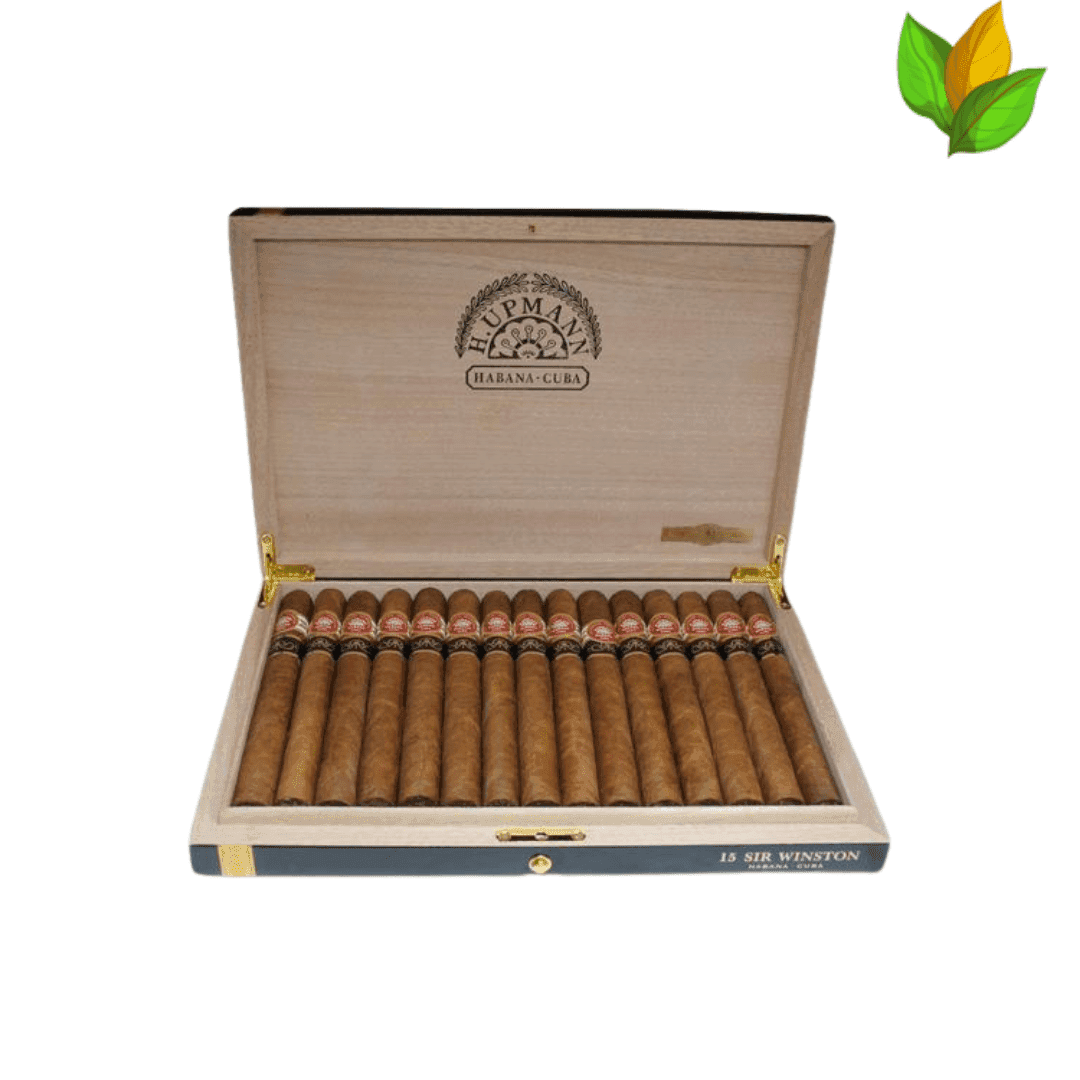
- Packaging: The cigars were traditionally presented in dress boxes of 25, adorned with the standard brand band.
The choice of a 42 ring gauge is particularly noteworthy. Unlike the trend toward thick "Gordo" formats in the modern market, this slender measurement allows for a different expression of the tobacco. It concentrates the flavor profile and forces the smoker to draw with intention, resulting in a refined and contemplative session.
Historical Context and Brand Identity
The H. Upmann brand carries a weight of history that few competitors can match. Established in 1844, it is one of the oldest marcas in existence. Throughout its history, the brand has been synonymous with a balanced, approachable style of tobacco—cigars that are flavorful yet not overwhelming. The Lonsdales fit perfectly into this tradition. It represented the brand's take on a British-inspired format, named after the Earl of Lonsdale, an influential figure in the aristocratic smoking circles of the past.
This cigar served as a bridge between the old world of British elegance and the sun-soaked tobacco fields of Cuba. It was a format designed for the thoughtful smoker, one who valued a longer duration without the intensity of a thick "Robusto" or the massive commitment of a "Double Corona." By offering this specific size, H. Upmann reinforced its identity as a producer of sophisticated, accessible smokes.
The Modern Collectible
Since the cessation of manufacturing over two decades ago, the H. Upmann Lonsdales has acquired a new identity: that of a treasure for the seasoned collector. The remaining stock represents a snapshot of Cuban tobacco from a specific period. Enthusiasts seek out these cigars not merely for the brand name, but for the opportunity to taste tobacco that has undergone decades of aging. The pre-2002 inventory allows smokers to experience the "classic" Cuban profile—earthy, leathery, and nuanced—in a way that modern productions rarely replicate. As time passes, these boxes become increasingly scarce, solidifying the cigar's reputation as a significant, albeit absent, chapter in the history of the H. Upmann marque.