Among the pantheon of legendary Habanos brands, few carry the aristocratic pedigree and timeless sophistication of H. Upmann. When exploring the history of h. upmann cigars - from cuba to the world, one discovers a narrative that intertwines German banking precision with Cuban tobacco artistry, creating a legacy that has endured for nearly two centuries. From the moment Hermann Upmann first stamped his name on a cedar box in 1844, this marque has represented the pinnacle of refinement in the world of Cuban cigars, captivating connoisseurs from European palaces to modern humidors across the globe.
The Banking Origins and Cuban Migration (1844)
Before becoming synonymous with premium tobacco, the Upmann name was associated with finance. Hermann Upmann and his brother August established themselves as respected bankers in 19th-century Germany, but their entrepreneurial spirit led them toward the sun-drenched fields of Cuba. In 1844, Hermann Upmann Sr. founded the company in Havana, initially combining his banking operations with a cigar factory—a unique fusion of commerce and craftsmanship that would define the brand's business acumen.
The brothers quickly recognized that the Vuelta Abajo region produced tobacco of unparalleled quality. They invested heavily in the finest leaf, establishing strict selection criteria that remain benchmarks today. By 1860, the banking venture was abandoned entirely in favor of full dedication to cigar production, a testament to the immediate success of their tobacco enterprise. The original factory, located at 159 San Miguel Street in Havana, became a cathedral of cigar-making where master rollers perfected techniques that would be passed down through generations.
Royal Recognition and Global Expansion
The exceptional quality of H. Upmann cigars did not remain a local secret for long. By the late 19th century, the brand had garnered prestigious royal warrants from European monarchs, including the courts of Spain and England. These endorsements elevated H. Upmann from a Cuban export to a symbol of international luxury, gracing the humidors of aristocracy and heads of state.
This period marked the golden age of the brand, with production expanding to meet growing global demand. The distinctive white and gold band—featuring the Upmann name in elegant script—became instantly recognizable in London, Paris, and Berlin. The company's commitment to using only the finest tobacco from the Vuelta Abajo zone ensured consistency that built unwavering customer loyalty. During this era, the brand introduced vitolas that remain classics today, including the H. Upmann Magnum 46 and the H. Upmann No. 2, both celebrated for their complex flavor profiles and impeccable construction.
Surviving Revolution and Modern Era
The 20th century brought unprecedented challenges to Cuban cigar manufacturers. The nationalization of the tobacco industry following the Cuban Revolution in 1959 forced the Upmann family into exile, yet the brand itself survived, becoming part of the newly formed Cubatabaco and later Habanos S.A. Despite political upheaval and economic embargoes, the production standards established by the founding brothers remained intact.
The factory relocated to its current location on Amistad Street, where it continues to produce some of the most sought-after Cuban cigars in the world. Master blenders preserved the original recipes, ensuring that the medium-bodied, complex character—notes of cedar, cocoa, and subtle spice—remained unchanged. The brand weathered the Special Period of the 1990s and emerged stronger, introducing new sizes while maintaining traditional lines that honor the Upmann heritage.
The H. Upmann Portfolio Today
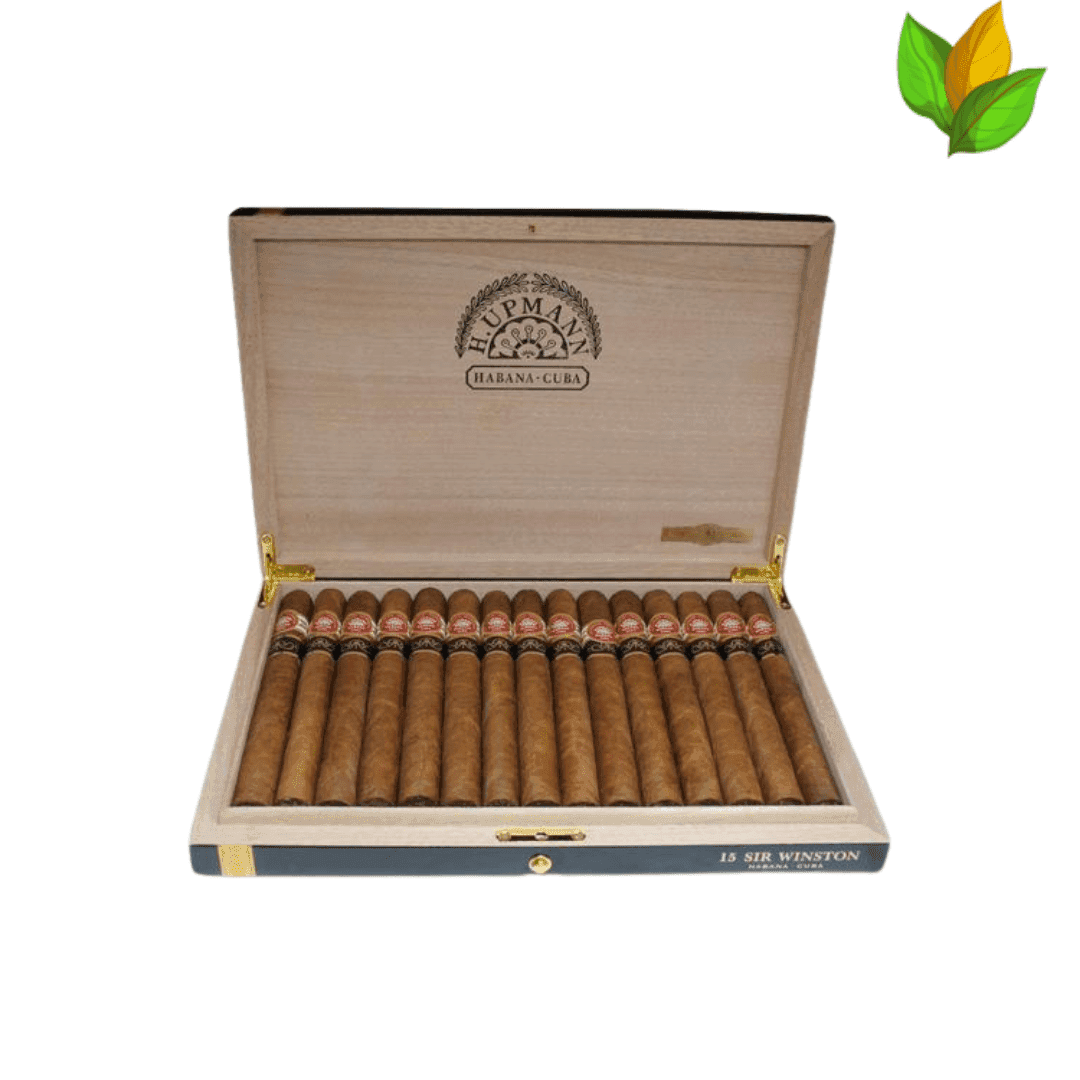
Contemporary H. Upmann represents the perfect marriage of tradition and innovation. The brand encompasses several distinct lines, each catering to different palates while maintaining the signature Upmann elegance. The H. Upmann Magnum 50 stands as a modern classic, offering a robust yet refined smoking experience that showcases the best of Cuban tobacco. For those seeking the ultimate expression of the brand, the H. Upmann Sir Winston delivers a majestic Churchill format with unparalleled complexity.
The Connossieur line, including the H. Upmann Connossieur A, appeals to modern aficionados who appreciate a fuller-bodied profile while respecting the brand's heritage of sophistication. Each cigar continues to be hand-rolled using the totalmente a mano method—entirely by hand—with long filler tobaccos from the finest vegas in Pinar del Río. The consistency of draw and burn that characterized the original 1844 production remains the standard today, verified through rigorous quality control at every stage.
Legacy and Collectibility
Understanding the history of h. upmann cigars - from cuba to the world is essential for collectors and enthusiasts alike. Vintage Upmann boxes from the pre-embargo era command premium prices at auction, while limited edition releases sell out within hours of announcement. The brand's resilience through wars, revolutions, and changing tastes speaks to the universal appeal of its flavor profile—sophisticated without being overpowering, complex yet accessible.
Today, H. Upmann stands as a testament to the enduring power of quality and tradition in the cigar world. Whether enjoying a classic Magnum 46 or exploring newer additions to the portfolio, smokers participate in a legacy that began with two German brothers who recognized the potential of Cuban tobacco. From the cedar-lined humidors of 19th-century European banks to contemporary lounges worldwide, H. Upmann remains a cornerstone of the Habanos collection, continuing to define what it means to smoke a truly premium Cuban cigar.