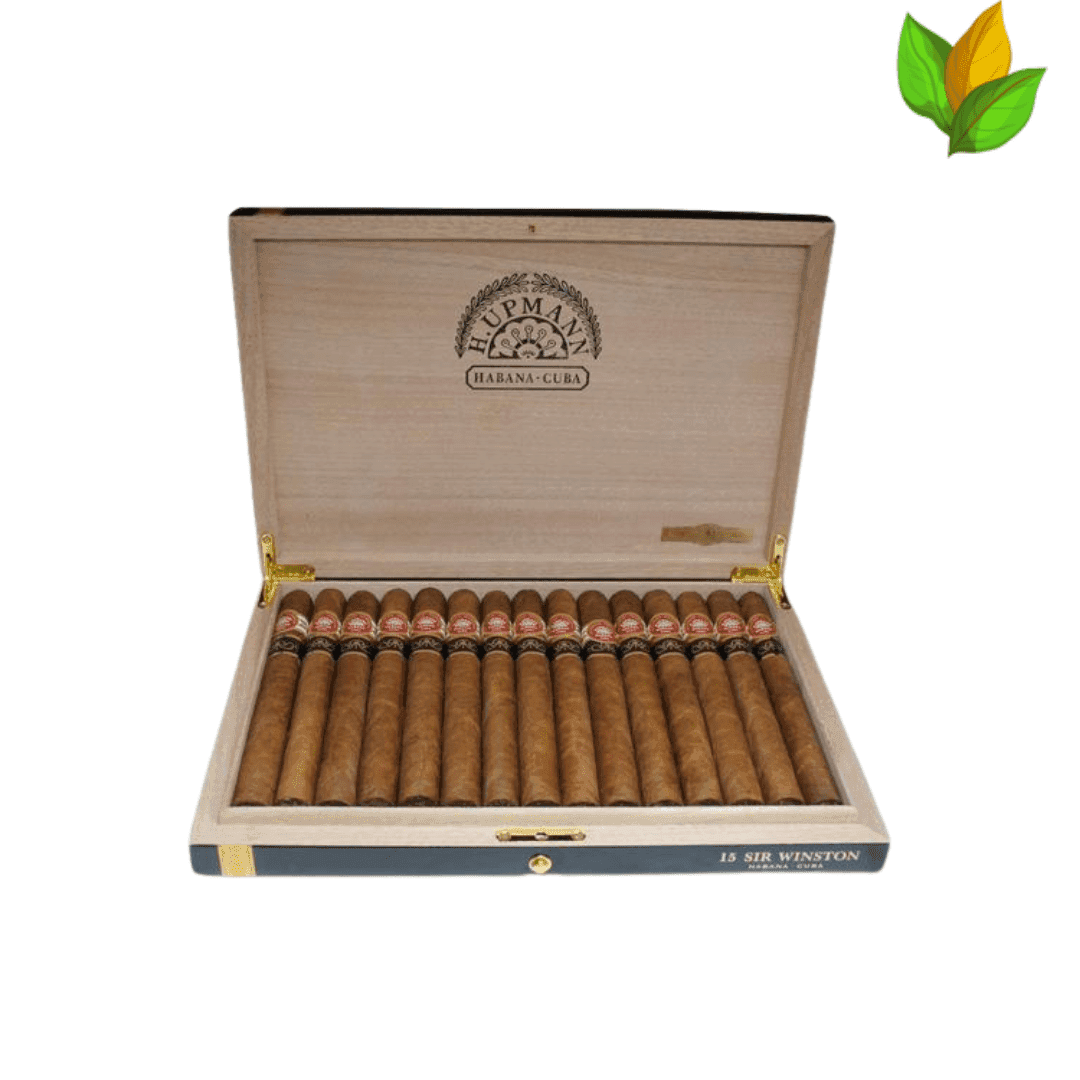
For many aficionados, the H. Upmann Belvederes are a hidden chapter in the story of Cuban tobacco. Though the name rarely appears in today’s luxury humidors, this modest vitola once offered a doorway into the brand’s storied legacy. Its slender profile, steady construction, and modest price made it a favorite for everyday smokers who wanted a taste of H. Upmann’s signature flavor without reaching for a premium robusto. In the ever‑changing landscape of Cuban cigars, the Belvederes stand as a testament to how a simple, machine‑rolled smoke can carry decades of tradition.

Origins and Timeline
The Belvederes first appeared in the H. Upmann catalog before the dawn of the 1960s, placing the brand’s long‑standing portfolio on a new, more accessible footing. From that early debut onward, the format stayed true to its original blueprint, never straying from the dimensions or production method that first defined it. This consistency meant that a smoker in 1965 could enjoy the same ring gauge and length as a collector picking one up in the late‑1990s. After more than four decades on the market, the line was finally laid to rest in 2003, closing the book on a format that had witnessed countless changes in the Cuban cigar world.
Technical Specifications
While the Belvederes were never marketed as a premium hand‑crafted masterpiece, their numbers tell a story of deliberate design. Below is a concise rundown of the key measurements and features that shaped this classic panatela:
- Cigar name: Belvederes
- Factory designation: Belvederes
- Ring gauge: 39
- Length: 125 mm (approximately 4 ⅞ inches)
- Weight: 6.43 g
- Production method: Machine‑rolled (industrial construction)
- Band: Classic H. Upmann band with the “B” designation
- Packaging: 25‑cigar dress boxes, each cigar sealed in cellophane
- Status: Discontinued in 2003
Craftsmanship and Presentation
As a machine‑rolled vitola, the Belvederes prioritized uniformity over the nuanced variability that often characterizes hand‑made cigars. The industrial process ensured that each stick burned evenly, delivering a predictable draw that appealed to smokers who valued reliability. Each cigar was encased in a thin plastic sleeve—cellophane—to lock in freshness and protect the wrapper from the elements. The cigars were then nested in stylish dress boxes that held 25 units, a configuration that kept the sticks organized and ready for both personal enjoyment and gifting.
The visual identity of the Belvederes was anchored by the brand’s hallmark band, distinguished by the letter “B.” This band, rendered in the classic gold‑and‑black palette, linked the modest panatela to the broader H. Upmann family, reinforcing brand continuity despite the cigar’s entry‑level positioning. The overall presentation was modest yet elegant, designed to convey a sense of heritage without the flamboyance of higher‑end releases.
Enduring Appeal
Even though the Belvederes have vanished from official production lists, they remain a point of reference for those curious about the evolution of Cuban cigars. Their thin 39‑ring profile paired with a 125 mm length created a classic panatela shape, offering a moderately short smoking experience—ideal for a quick afternoon break or a casual after‑dinner moment. The flavor, though subtle compared to the fuller blends of larger vitolas, still carried the H. Upmann signature: a balanced mix of light earthy notes, a hint of nuttiness, and a gentle finish that never overwhelmed the palate.
For collectors, the Belvederes represent a piece of the puzzle—a machine‑made offering that survived the test of time, reflecting how Cuban manufacturers once catered to a broad audience. For novices, the cigar serves as an accessible gateway, illustrating the brand’s core character in a size that doesn’t demand a long commitment. In the end, the Belvederes stand as a reminder that not every gem needs to be a robusto; sometimes a slender, well‑constructed panatela can tell a story just as compelling.