For over a century and a half, H. Upmann has stood as one of Cuba's most venerable cigar manufacturers, weaving a narrative rich with tradition, craftsmanship, and enduring excellence. Among the many elements that define this legendary brand, its band designs occupy a special place in the hearts of collectors and aficionados worldwide. These seemingly modest strips of paper transcend their functional purpose, serving as chronological markers, authenticity guarantees, and tangible connections to the brand's remarkable evolution through the decades.
The Roots of Excellence
The H. Upmann name emerged from a family of German bankers who ventured into the world of premium tobacco in the mid-1800s. Their commitment to quality quickly elevated the brand to prominence, earning royal patronage and establishing a reputation that persists to this day. Throughout this extensive history, the visual language of the brand—particularly its cigar bands—has undergone significant transformations, each iteration reflecting the aesthetic sensibilities and manufacturing capabilities of its era.
Understanding these band variations has become essential knowledge for anyone serious about Cuban cigar collecting. What might appear to be merely decorative elements actually provide crucial information about production dates, regional markets, and the authenticity of individual specimens. The evolution from simple paper bands to the sophisticated embossed designs of today tells its own story of technological advancement and artistic expression within the Cuban cigar industry.
Standard Production Bands
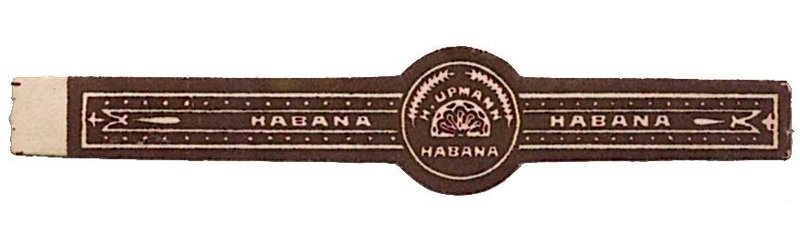
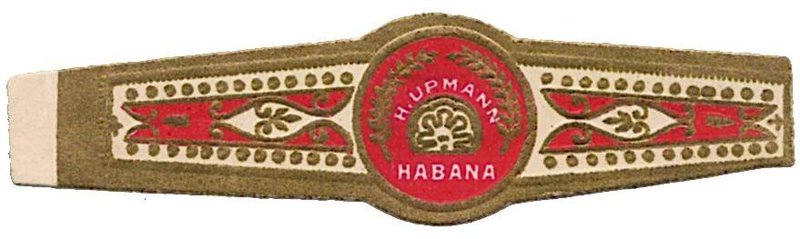
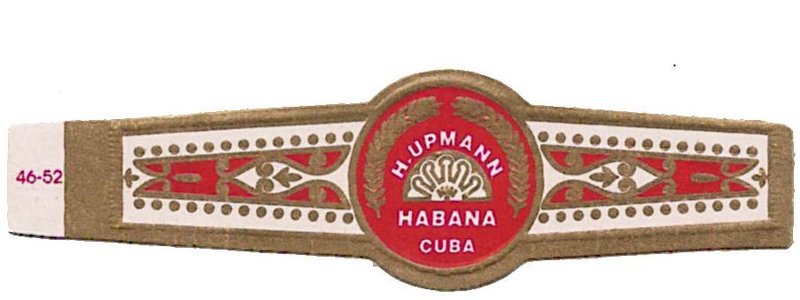
Three distinct standard band configurations have characterized H. Upmann's regular production throughout the brand's modern history. Each represents a specific chapter in the company's timeline and carries identifying characteristics that enable experienced collectors to date their acquisitions with considerable precision.
- The original configuration served cigars produced from the pre-1960s era through approximately 2006. This iteration featured a straightforward design without embossing, reflecting the manufacturing techniques and aesthetic preferences of earlier periods. Today, these bands signify discontinued production methods and remain highly valued among vintage collectors.
- The second standard design overlapped with the first but introduced an embossed finish that added tactile and visual dimension to the brand's presentation. Like its predecessor, this configuration ceased production around 2006, marking the end of an era in H. Upmann's visual identity.
- The current production band has adorned H. Upmann cigars since approximately 2006, continuing the embossed tradition while incorporating contemporary refinements. This design represents the brand's ongoing commitment to quality and its responsiveness to modern manufacturing capabilities.
These standard configurations form the foundation of H. Upmann's band heritage, yet they represent only part of the story. The brand's extensive history includes numerous special releases, each accompanied by distinctive bands that commemorate significant milestones and limited production runs.
Celebrating Milestones Through Special Bands
Beyond standard production, H. Upmann has released a remarkable array of commemorative and special edition bands that have captured the imagination of collectors worldwide. These variant designs often accompany significant anniversaries, unique vitolas, or limited production runs, making them particularly desirable among enthusiasts seeking to expand their collections.
Among the most notable special bands are those marking the 160th Anniversary of the brand's founding—a tribute to the enduring legacy established by the original Upmann family. The 520 Aniversario release featured a dual-band presentation, adding an extra layer of ceremonial significance to this special offering. Similarly, the Singulares range received its own distinctive band to set these limited cigars apart from standard production.
The Magnum series has generated considerable collector interest, with several bands specifically associated with these larger-format smokes. The Magnum 46 and Magnum 50 vitolas each received dedicated primary bands, while secondary bands accompanied certain releases to create visually striking dual-band configurations. The Magnum Finite limited production release introduced yet another variant, further expanding the Magnum family's visual diversity. Larger ring gauges such as the 52, 54, and even the substantial 56 received their own specialized bands, with the latter featuring a distinctive double-band arrangement.
The Connossieur series brought additional variety through multiple band iterations, including dedicated designs for the Connossieur A, Connossieur B, and the premium Connossieur No. 1 selections. More recently, cultural celebrations have inspired unique bands like the Year of the Tiger foot band, which incorporated Chinese zodiac symbolism into the traditional H. Upmann aesthetic.
Collecting and Authenticity
For serious collectors, understanding the nuances of H. Upmann band evolution transcends mere aesthetic appreciation. These identifying elements serve as critical tools for authentication, helping to verify provenance and establish the legitimacy of specimens in an market where counterfeits occasionally emerge. By studying the characteristics of different band eras—examining paper texture, printing methods, embossing patterns, and color variations—collectors develop expertise that proves invaluable for building authentic collections.
The historical and early band styles predating modern standardization hold particular significance for those specializing in vintage acquisitions. These foundational designs established the visual vocabulary that would influence subsequent generations of H. Upmann presentations, making them essential references for understanding the brand's complete visual journey. Whether examining a contemporary production band or a rare vintage specimen, the humble cigar band remains one of the most accessible windows into H. Upmann's storied heritage.