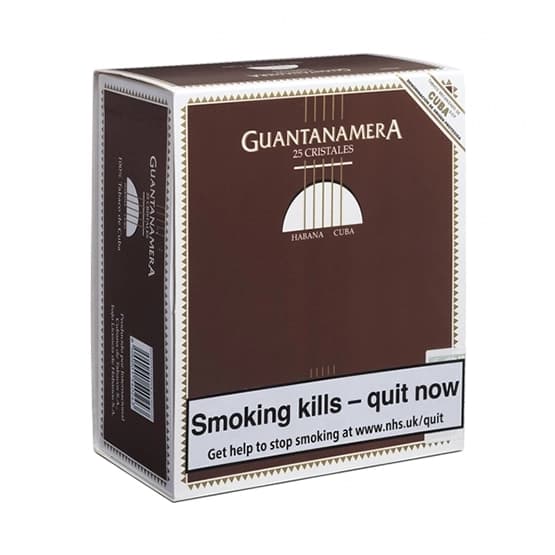
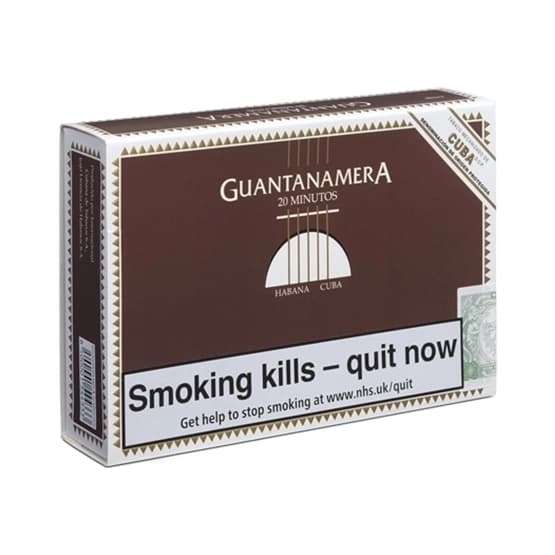
For many aficionados, the world of Cuban tobacco is often associated with high price points and rare vintage releases, creating a somewhat exclusive barrier to entry. However, the Guantanamera Compay served as a distinct counterpoint to this perception, offering a gateway into the storied tradition of Habanos for the everyday smoker. Before its eventual disappearance from the market, this cigar represented a practical, budget-conscious choice for those wishing to sample the flavors of the island without committing to the premium costs associated with hand-rolled prestige. Though it has since been retired, the legacy of the Compay remains an interesting case study in accessibility within the luxury tobacco market.

The Origins of a Budget-Friendly Classic
The Guantanamera brand has always occupied a unique space in the hierarchy of Cuban cigars, prioritizing approachability over exclusivity. Launched officially on the first of January in 2002, the Compay was introduced as a core vitola within this value-oriented lineup. The brand name itself pays homage to the famous Cuban folk song "Guajira Guantanamera," evoking a sense of rural heritage and national pride. By incorporating the Compay into their regular production, Habanos S.A. signaled a clear intent to cater to a broader demographic, ensuring that the experience of smoking Cuban leaf was not solely the preserve of the wealthy connoisseur.
Unlike the artisanal, labor-intensive process required for premium hand-made cigars, the Compay utilized a different manufacturing philosophy. It was a machine-made product, utilizing short-filler tobacco. This method involves using chopped tobacco leaves for the filler rather than whole leaves, a process that significantly streamlines production. The result was a consistent product that could be offered at a much lower price point, fulfilling the brand's mission of accessibility while retaining the essential characteristics of Cuban flavor profiles.
Technical Specifications and Construction
The Guantanamera Compay was designed to fit the classic mold of a standard corona, a size often lauded for its balanced proportions. This format allowed for a smoking experience that was neither too brief nor excessively long, making it an ideal choice for a daily routine. The technical composition of the cigar was tailored for efficiency and consistency.
Dimensions and Build
Measuring in at 123 millimeters (approximately 4⅞ inches) with a ring gauge of 40, the Compay adhered to the traditional "Standard Mano" factory format. Weighing in at 6.90 grams, it felt substantial enough in the hand while remaining slender and elegant. The construction was reinforced by the use of short-filler tobacco, which, when combined with the precision of machine manufacturing, ensured a uniform draw and burn—attributes that can sometimes vary wildly in hand-rolled alternatives. The cigar was finished with standard bands, labeled A and B, maintaining the visual identity consistent with the brand's aesthetic.
Presentation and Packaging
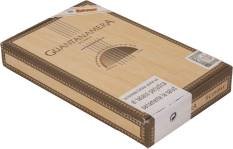
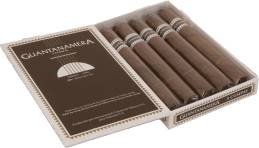
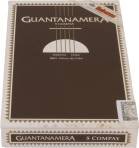
During its fourteen-year tenure in the market, the Compay was offered in two specific packaging configurations designed for convenience and preservation. Recognizing that machine-made cigars often require different storage solutions than their hand-rolled counterparts, the manufacturers wrapped each individual cigar in cellophane. This extra layer served a dual purpose: it protected the delicate wrapper leaf during transport and helped maintain the cigar's humidity and freshness over time.
- Cardboard Pack: A soft pack containing five individual cigars, ideal for trial or travel.
- Rigid Box: A sturdier cardboard box containing ten cigars, suited for regular consumers looking to stock their humidor.
The End of the Road: Discontinuation
Despite its utility as an entry-level option, the Guantanamera Compay eventually met its end. After roughly fourteen years of production, the line was discontinued around 2016. The removal of the Compay from the market marked a shift in the brand's direction and effectively closed a chapter on one of the most affordable Cuban smoking options available at the time. For smokers who relied on the Compay for their daily smoke, its absence necessitated a search for alternatives within the Guantanamera line or a move to other machine-made Habanos brands.
Today, the Guantanamera Compay exists only in the inventories of collectors who managed to preserve boxes or packs from the production era. Its discontinuation serves as a reminder of the ever-changing landscape of the cigar industry, where even established, value-driven products are subject to the evolving strategies of global tobacco companies. While it may no longer grace the shelves of local tobacconists, the Compay is remembered for fulfilling its primary objective: providing a genuine taste of Cuba to the masses at a price that was hard to beat.