
For the passionate cigar aficionado, the subtle details found on a vintage cigar band often reveal a history far richer than the tobacco leaf itself. These small paper rings serve as historical fingerprints, offering immediate insight into the provenance and specific era of a premium smoke. Among the most prestigious names in cigar history, Dunhill stands out for its evolving and distinct packaging, which has become a crucial tool for verifying the authenticity and age of their vintage offerings. Understanding these design nuances transforms a simple purchase into an archaeological pursuit, allowing collectors to pinpoint the exact timeline of their treasured smokes.
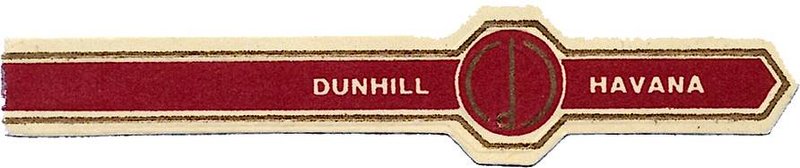
The Significance of Cigar Band Design
In the world of premium tobacco, the band is far more than a mere decorative element; it is the primary marker of a brand's identity and heritage. Throughout its storied existence, the Dunhill brand utilized various specific designs that act as a chronological roadmap for enthusiasts. Recognizing these variations allows a smoker or collector to pinpoint exactly when a specific box was produced. Because the tobacco inside ages and changes over decades, knowing the production window—indicated by the band—is vital for understanding the cigar's potential flavor profile and market value. Without this knowledge, a collector might mistake a younger cigar for a rare vintage, leading to disappointment and financial loss.
Defining the Standard Band A Era
Within the timeline of Dunhill’s production, the period between 1982 and 1991 is specifically defined by what experts and historians term "Standard Band A." This nine-year window represents a significant chapter for the luxury house, marking a time when the brand solidified its reputation in the high-end cigar market. During these years, the company attached specific importance to the visual presentation of their products, ensuring that the outward appearance matched the quality of the hand-rolled tobacco within. For anyone holding a box from this era, the presence of Standard Band A is the definitive signpost of that decade, serving as a reliable timestamp for inventory management and collection categorization.
Distinguishing Features: The Art of Embossing
What truly sets the Standard Band A apart from its predecessors and successors is its distinct construction quality. Unlike modern or older variants that might rely solely on flat, two-dimensional printing, this specific band features a unique embossed texture. This manufacturing choice was not accidental; it was a deliberate decision to enhance the perceived value of the product.
Key characteristics of this design include:
- Tactile Dimension: The most notable feature is the raised, textured surface. Unlike smooth, flat-printed bands, the Standard Band A invites touch, allowing the consumer to feel the logo and design elements physically.
- Visual Sophistication: The embossing process creates shadows and highlights on the paper, giving the band a sense of depth and three-dimensionality that standard ink printing cannot achieve.
- Quality Assurance: The presence of this texture serves as a hallmark of the production standards of the 1980s, reflecting an era where packaging was treated as an integral part of the luxury experience.
This tactile element is the primary identifier for collectors looking to separate authentic vintage stock from later reproductions or different production eras.
Authenticating Your Collection
For the serious collector, learning to identify the Standard Band A is an essential skill that safeguards against fraud. Because this band style was strictly limited to the 1982-1991 production run, finding this specific embossed design serves as a reliable confirmation of the cigar's age. It acts as a historical anchor, ensuring that a purported "vintage" purchase is actually from the claimed era.
The craftsmanship of the band—the crispness of the embossing and the quality of the paper—reflects the broader dedication to excellence Dunhill maintained during the 1980s and early 1990s. When examining a potential acquisition, running a thumb over the band is often just as important as inspecting the wrapper leaf. By memorizing the feel and look of this specific design, enthusiasts can confidently navigate the vintage market, secure in the knowledge that their collection is genuine and accurately dated.