
When a collector lifts a vintage Cuban cigar from a humidor, the first thing that often catches the eye is the paper band wrapped around the foot. That slender strip of history can tell a story far beyond its color, revealing the era of production, the maker’s pride, and even a celebration of a milestone. In this guide we explore how Cuba’s state tobacco monopoly used bands to identify, market, and commemorate its products, and we outline the key details that help enthusiasts authenticate these treasured artifacts.

The Birth of a Banding System
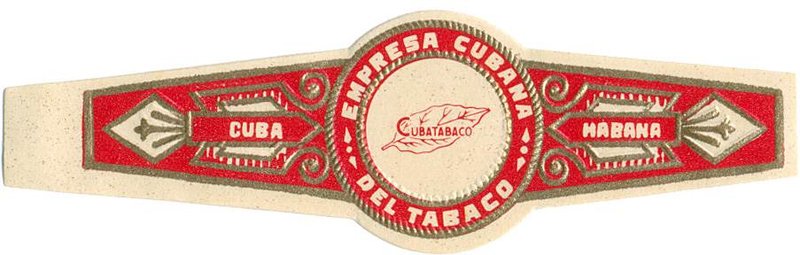
During the early 1960s, Cuba’s tobacco industry was reorganized under a single state entity. This central authority introduced a systematic approach to branding cigars, recognizing that a simple strip of paper could serve as both a functional identifier and a marketing tool. The new banding system was designed to differentiate routine production from special releases, to protect the brand’s integrity, and to give collectors a reliable way to date a cigar’s origin. Over the years, the monopoly refined the design, texture, and marking of these bands, making them a focal point for anyone interested in the provenance of a smoke.
The General Purpose Band: A Snapshot of Mid‑1960s Production
The most common marker from that era was the General Purpose Band, which appeared on standard, mass‑produced cigars. This band featured a raised, embossed motif that added a tactile element to the visual design. Its use spanned a limited window from 1962 through 1966, after which the monopoly discontinued the style in favor of newer branding. Because the production run was brief, cigars bearing this band are comparatively scarce today, and they often fetch a premium among collectors seeking a tangible link to that transformative period in Cuban tobacco history.
Special Commemorative Bands: Marking Milestones
Beyond everyday cigars, the monopoly released bands for limited editions and commemorative events. These special bands were crafted with extra care, often incorporating unique visual cues and sometimes even numbering that set them apart from the regular line.
The 1492 Humidor Band
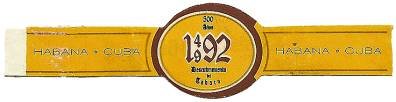
To honor the 500th anniversary of Christopher Columbus’s arrival in the New World, the monopoly issued the 1492 Humidor Band. Unlike the everyday general‑purpose strip, this band was printed without embossing, giving it a smoother surface. Each unit was individually numbered, a feature that added a layer of exclusivity and allowed collectors to trace specific cigars within a limited production run. The combination of historical significance and numbered scarcity makes this band a prized find for aficionados.
The 25 Aniversario Band
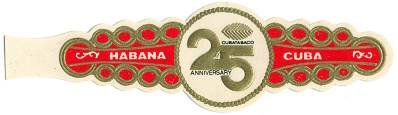
Celebrating the 25th anniversary of the state tobacco organization, the 25 Aniversario Band marked a quarter‑century of centralized tobacco control. This commemorative release mirrored the spirit of the 1492 band by highlighting a notable moment in the monopoly’s timeline. The band’s design often echoed the broader visual language of the era while incorporating subtle anniversary motifs, making it a distinct collectible that signifies both continuity and achievement.
Collecting, Dating, and Authenticating Vintage Bands
For collectors, the band is more than decoration; it is a chronological marker. When evaluating a band, consider the following points:
- Material and Texture: Embossed finishes were typical for regular production bands, while commemorative releases often used flat, smooth paper.
- Design Elements: Look for unique symbols, dates, or numbering that align with known limited runs.
- Print Quality: Original bands exhibit crisp ink transfer; later reproductions may show blurring or inconsistent coloring.
- Provenance and Packaging: The band’s condition is often linked to how the cigar was stored. Original cellophane and proper humidity can preserve both the band and the cigar.
By cross‑referencing band characteristics with historical records, collectors can narrow down the production year and verify authenticity. Reputable dealers often provide detailed descriptions that mention band type, numbering, and any accompanying documentation.
Band Identification Summary
| Band Type | Era | Key Features |
|---|---|---|
| General Purpose Band | 1962‑1966 | Embossed, discontinued after 1966 |
| 1492 Humidor Band | Special Release | Numbered, not embossed |
| 25 Aniversario Band | Commemorative | Special anniversary design |
Whether you are a seasoned collector or a newcomer drawn by the romance of Cuban cigar heritage, understanding these bands adds depth to every puff. By recognizing the subtle differences in texture, numbering, and historical context, you can confidently navigate the world of vintage Cuban cigars and appreciate the rich tapestry of history wrapped around each one.