There are few experiences in the world of tobacco as revered as lighting a Partagas. Since 1845, this iconic marca has represented the pinnacle of Cuban cigar craftsmanship, delivering bold, complex flavors that have captivated aficionados for nearly two centuries. Whether you're unwrapping a Partagas Serie D No. 4 in a London lounge or aging a cabinet of Lusitanias in your personal humidor, understanding the art of crafting Partagas cigars - from seed to smoke deepens every draw. Join us as we explore the sacred traditions, terroir, and masterful techniques that transform Vuelta Abajo seeds into some of the most sought-after Habanos on earth.
The Legacy of Don Jaime and the Real Fábrica
When Don Jaime Partagas established his factory on Industria Street in Havana in 1845, he initiated a legacy that would define full-bodied Cuban cigars for generations. The Real Fábrica de Tabacos Partagas, with its distinctive yellow facade, remains one of the most photographed cigar landmarks in Cuba—a testament to the brand's enduring influence.
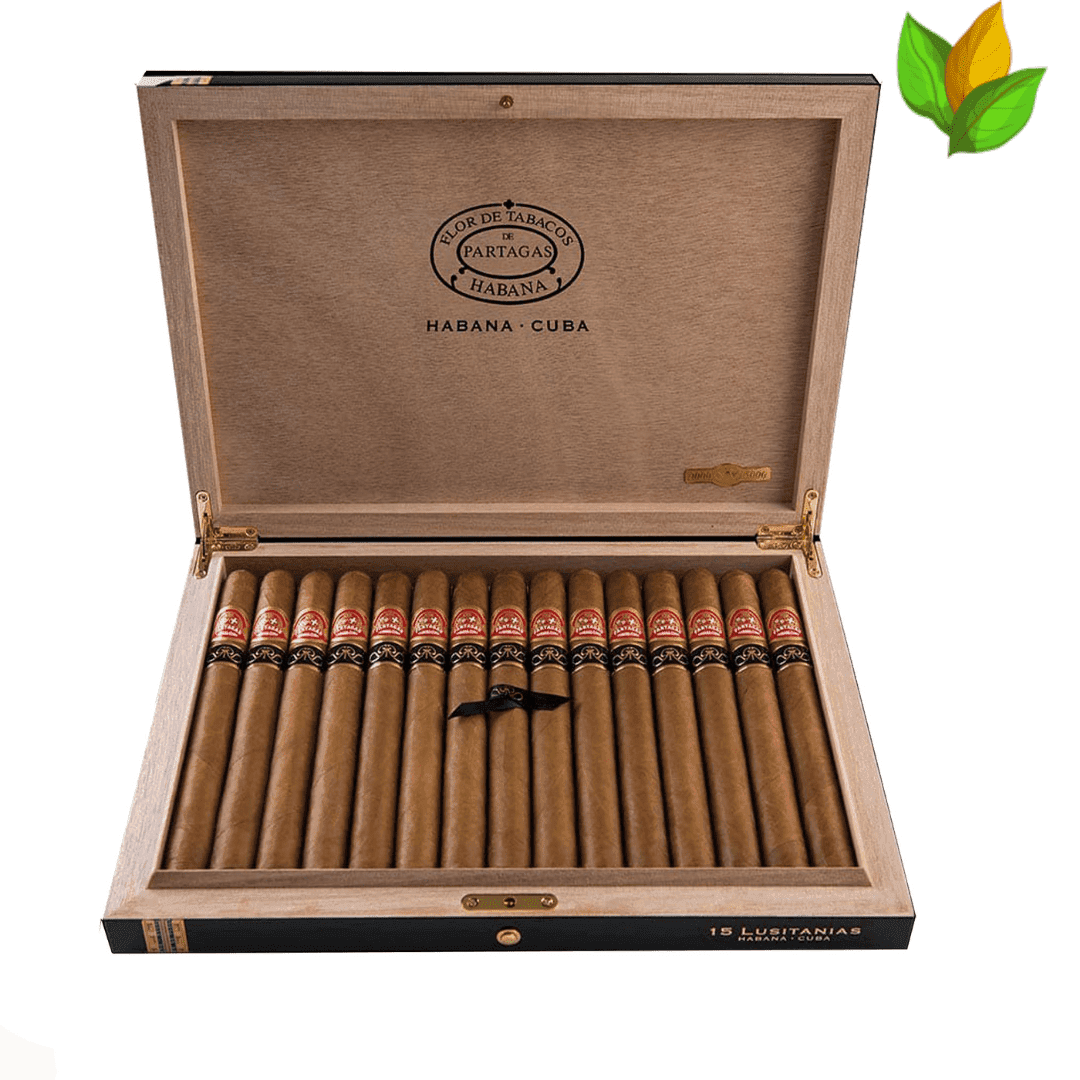
What sets Partagas apart from its contemporaries is Don Jaime's revolutionary insistence on selecting only the richest, most flavorful tobacco leaves. He pioneered fermentation techniques that enhanced strength and complexity, establishing the brand's signature profile: earthy, robust, and unapologetically powerful. Today, the Partagas portfolio includes classics like the Lusitanias—a double corona beloved by collectors—and the Partagas Short, a petit robusto perfect for modern schedules without sacrificing intensity.
The Terroir of Vuelta Abajo
No discussion of Partagas excellence begins anywhere other than the Vuelta Abajo region in Pinar del Río. This western territory possesses a unique microclimate—rich, red ferruginous soil, optimal humidity, and consistent temperatures—that UNESCO has recognized as a cultural landscape essential to Cuba's heritage. Here, under the watchful eyes of vegueros (tobacco farmers), the journey from seed to shelf begins.
The tobacco destined for Partagas undergoes a meticulous selection process. Only the top corojo and criollo seeds are planted, cultivated using traditional methods that eschew mechanization in favor of human judgment. Each plant is harvested in stages—volado, seco, ligero, and medio tiempo—with the strongest leaves reserved for the brand's fuller-bodied expressions.
The Art of Crafting Partagas Cigars - From Seed to Smoke
The transformation from raw leaf to finished Habano represents one of the world's most labor-intensive artisanal processes. After harvesting, Partagas tobacco undergoes air-curing in casa de tabaco barns, where leaves hang for weeks, developing their foundational flavors. This is followed by fermentation—a critical period where ammonia dissipates and sugars mature, sometimes requiring multiple cycles over several months.
What distinguishes Partagas is the extended aging process. While all Cuban cigars benefit from rest, Partagas blends often incorporate tobacco aged three years or more before rolling. This patience yields the brand's characteristic depth: notes of cedar, cocoa, black pepper, and espresso that evolve dramatically from first light to final third. The Partagas Presidentes, for instance, showcases how aged ligero tobaccos create a sophisticated, slow-burning experience that rewards the contemplative smoker.
The Master Roller's Touch
In the Partagas factory, torcedores (master rollers) practice techniques passed down through apprenticeships lasting years. Each cigar is entirely hand-rolled—no machines touch these leaves. The roller must feel the moisture content, assess the elasticity of the wrapper, and construct the bunch with perfect tension to ensure an even draw.
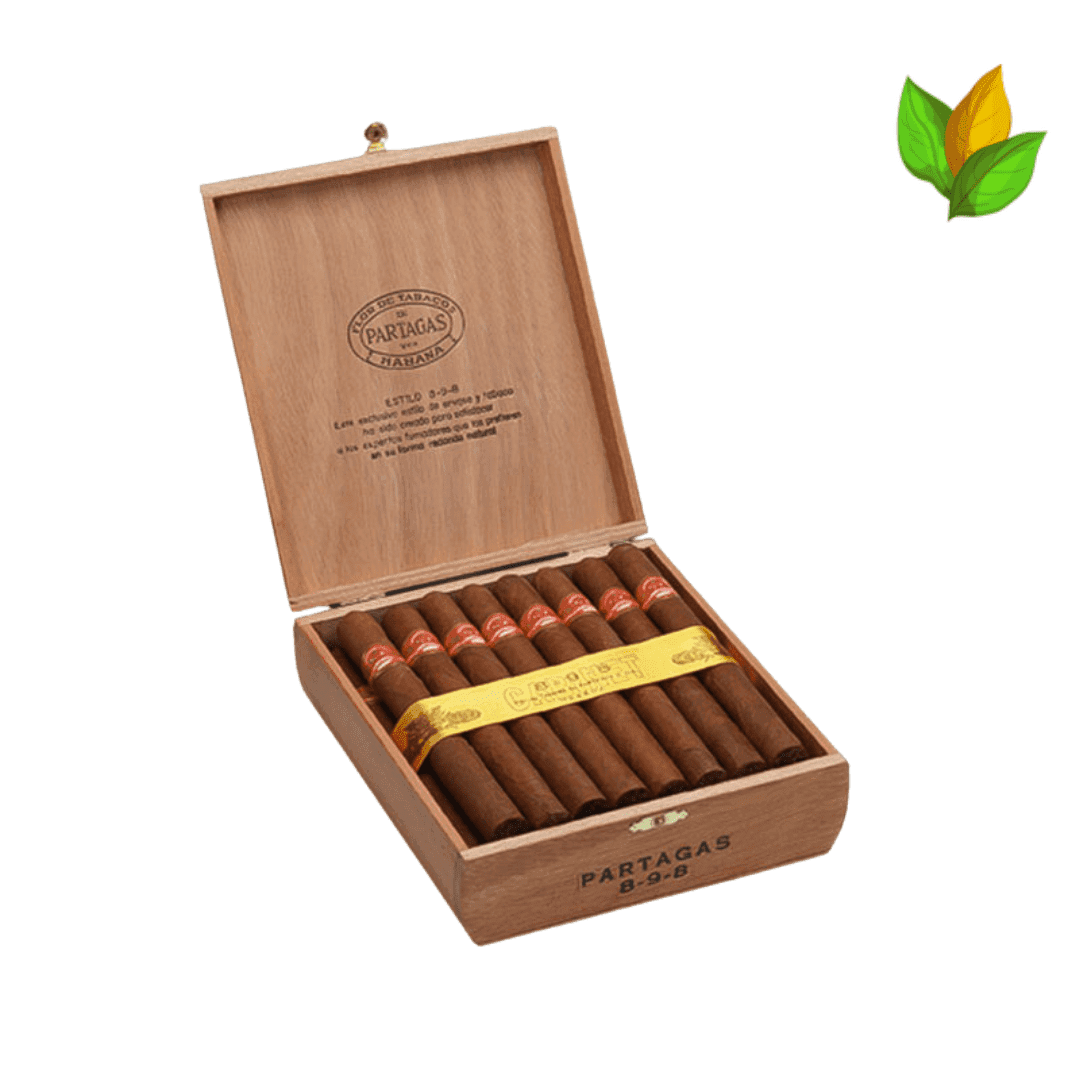
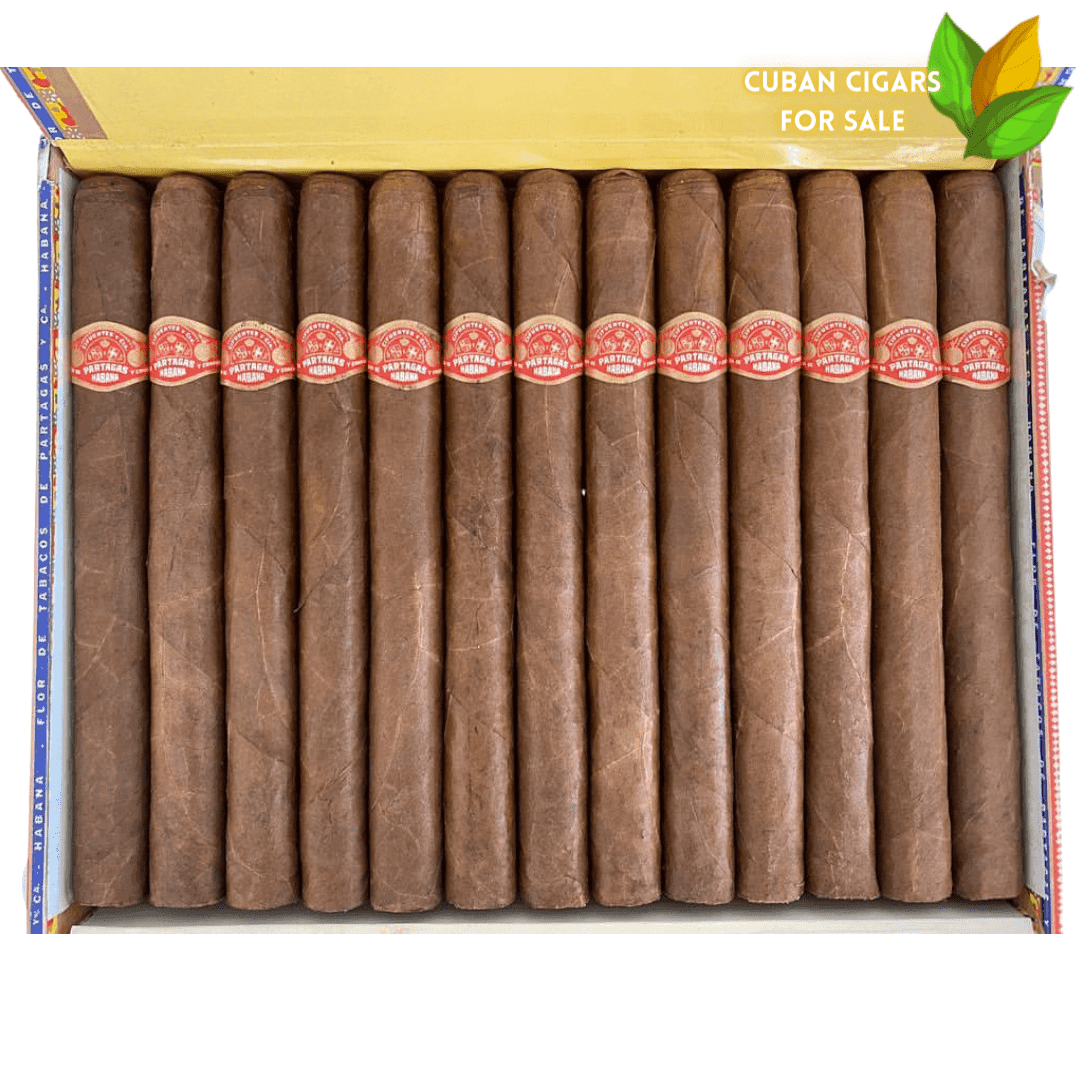
Quality control is relentless. Every Partagas Serie P No. 2 or 8-9-8 undergoes the draw test and visual inspection. Imperfect cigars are rejected; only those meeting the strictest standards receive the iconic blue, gold, and white Partagas band. This dedication explains why seasoned collectors often describe Partagas as "honest cigars"—they deliver exactly what the blender intended, without compromise.
Storage, Aging, and the Connoisseur's Lifestyle
Owning Partagas cigars is merely the beginning; proper stewardship elevates them from fine tobacco to transcendent experiences. These Habanos possess exceptional aging potential, with many vitolas improving significantly after five to ten years in optimal conditions. The oils continue to marry, harshness mellows into rounded complexity, and the signature Partagas earthiness develops leather and dried fruit undertones.
For collectors, maintaining a dedicated humidor at 65-70% humidity and 18-20°C (64-68°F) is essential. Spanish cedar lining helps regulate moisture while complementing the cigars' aromatic profile. Many enthusiasts create "vertical collections," acquiring multiple boxes of the same vintage to track evolution over decades—a practice particularly rewarding with limited editions like the Partagas Aliados or anniversary releases.
The Ritual of Enjoyment
Appreciating Partagas extends beyond combustion into lifestyle and culture. These cigars traditionally pair with aged rum, dark roast coffee, or peated Scotch—beverages robust enough to match their intensity. The smoking ritual itself becomes meditation: the deliberate cut, the toasting of the foot, the first creamy draw that signals the beginning of a 45-minute to two-hour journey.
Whether enjoyed in Havana's Hotel Nacional garden, a private club in Dubai, or your study after dinner, Partagas represents more than luxury—it embodies the persistence of craft in an automated world. In every puff of Partagas Mille Fleurs or Super Partagas, one tastes not just tobacco, but history, terroir, and the unwavering commitment to excellence that defines the finest Cuban cigars ever rolled.