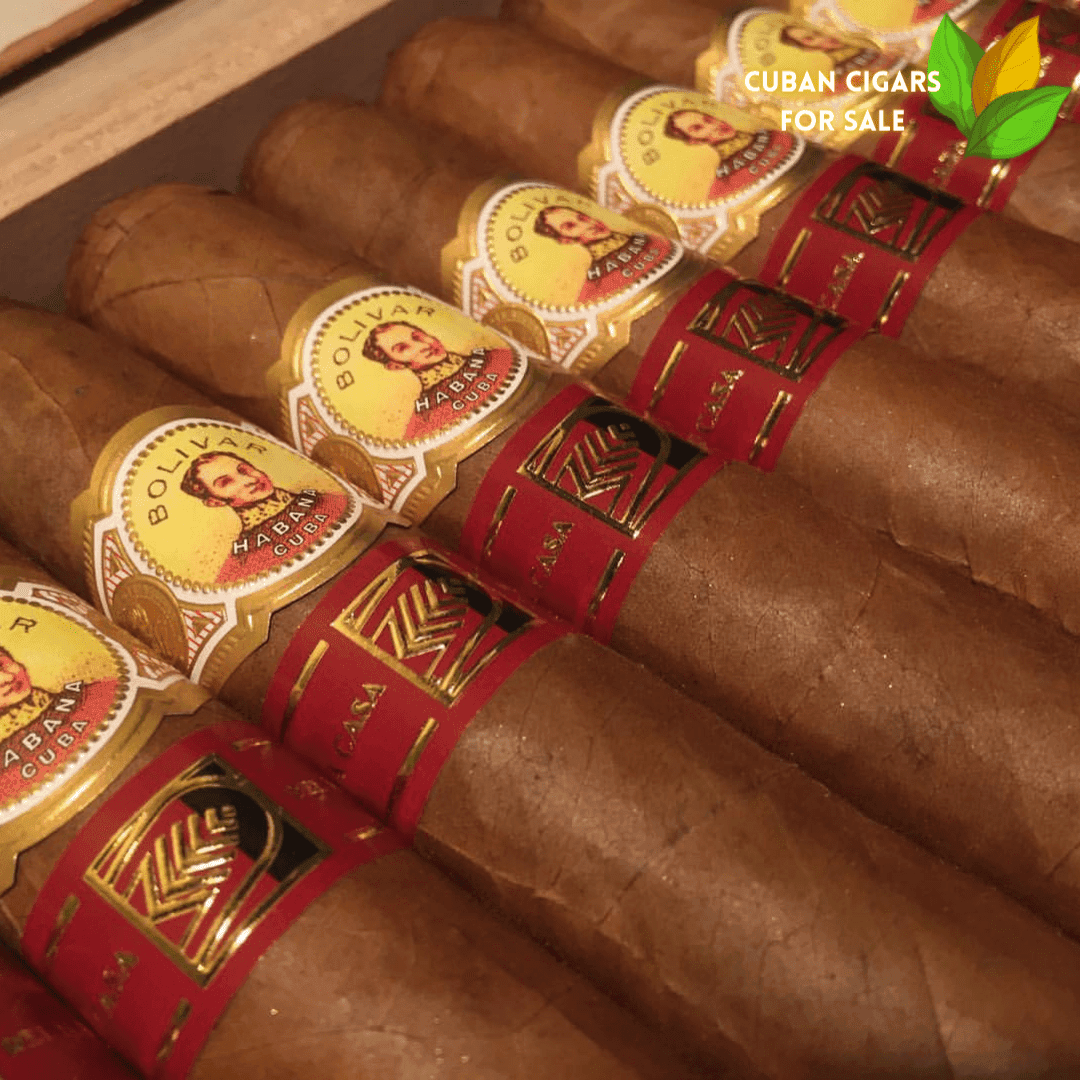
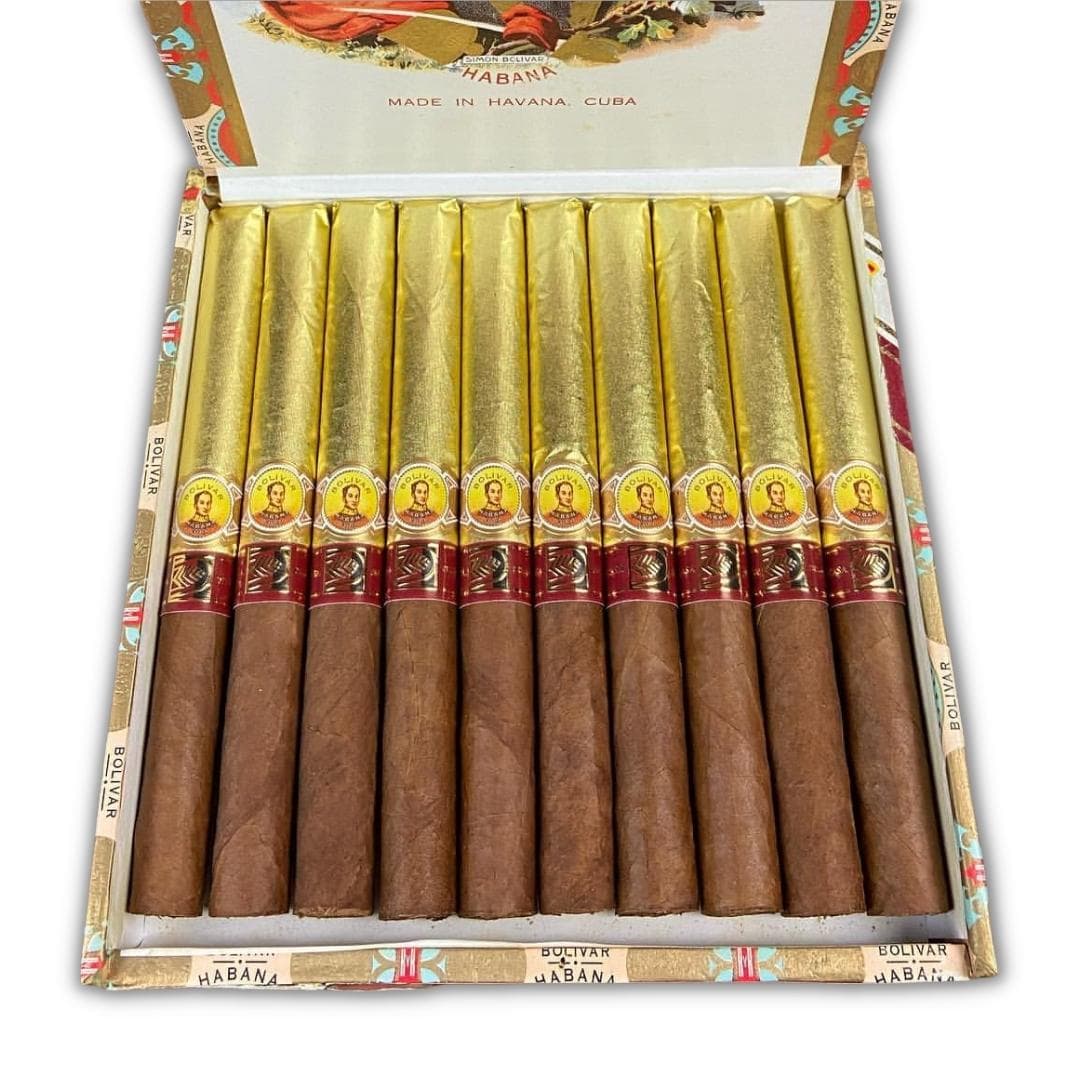
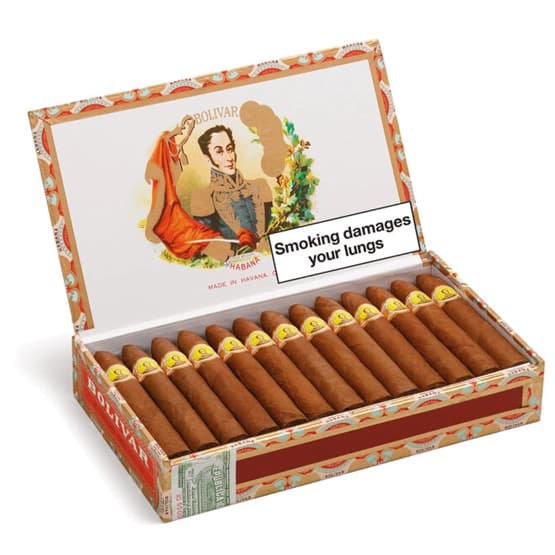
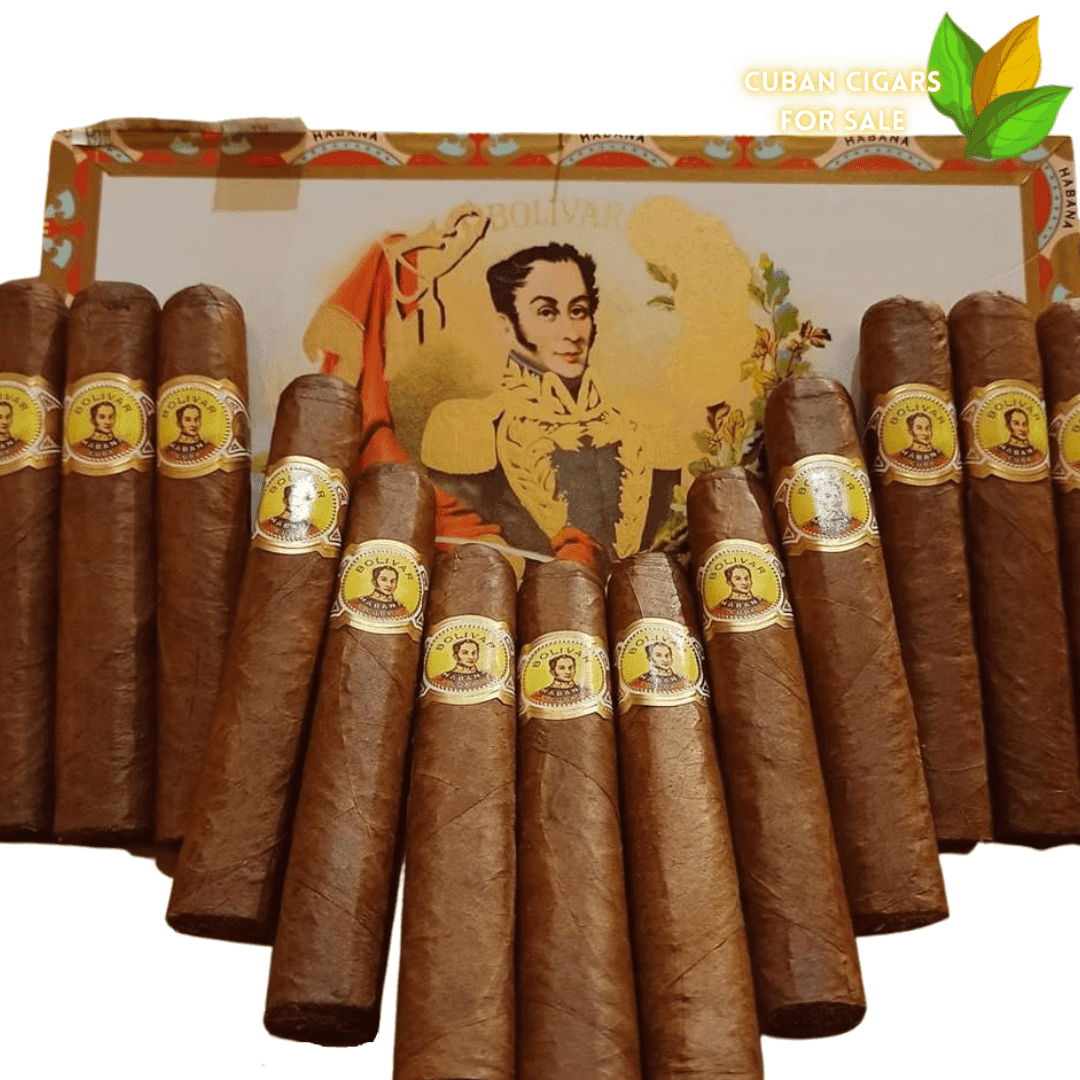
There's an unmistakable intensity that greets you when you first light up a Bolivar. It's a brand that doesn't whisper—it announces itself with authority, wrapping the palate in layers of earth, leather, and spice. For those who appreciate Cuban cigars that pack a genuine punch, understanding the meticulous process behind these iconic smokes adds a new dimension to every draw. This is the art of crafting Bolivar cigars - a behind-the-scenes look at one of Havana's most revered marques, where tradition and skilled hands converge to create something truly extraordinary.
A Legacy Forged in Fire and Freedom
The story of Bolivar begins not in a tobacco field, but in the history books. Named after Simón Bolívar, the legendary liberator who freed much of South America from Spanish rule, the brand was established in 1901 by José Rocha. It was a fitting namesake for a cigar that would become known for its commanding presence and robust character. By the mid-20th century, the brand had firmly established itself as a favorite among those who preferred a full-bodied smoke, a reputation it holds to this day under the stewardship of Habanos S.A.
What sets Bolivar apart in the crowded landscape of premium cigars is its unwavering commitment to strength. While other brands might soften their blends over time, Bolivar has remained true to its roots, offering aficionados a smoking experience that is as bold as the man it was named after. This consistency is achieved through a combination of prime tobacco selection and time-honored techniques that have been passed down through generations of Cuban torcedores.
From Vuelta Abajo to the Rolling Table
The Selection of Prime Tobacco
Every great cigar begins in the soil, and for Bolivar, that soil is found in the Vuelta Abajo region of Cuba—widely considered the finest tobacco-growing area in the world. The journey starts with careful cultivation where the unique microclimate, rich soil, and ideal sunlight converge to produce leaves that are thick, oily, and bursting with flavor potential. Only the highest-grade leaves make the cut, specifically selected for their ability to deliver the powerful yet nuanced profile Bolivar is known for.
The selection process is rigorous. Leaves are chosen not just for their appearance, but for their combustion properties and aroma. The filler leaves, which form the heart of the cigar's flavor, are chosen from different positions on the plant—seco, ligero, and volado—each contributing its own characteristics to the final blend. The ligero leaves, harvested from the top of the plant, are particularly crucial for Bolivar, as they provide the strength and body that define the brand.
The Art of Curing and Fermentation
Once harvested, the leaves undergo a meticulous curing and fermentation process that can last for months or even years. This is where the raw tobacco is transformed, breaking down chlorophyll and developing the complex flavor compounds that will eventually define the smoking experience. For Bolivar cigars, this process is carefully monitored to ensure that the leaves retain their robust character while achieving the smoothness that distinguishes a premium smoke.
Master Hands: The Role of the Torcedor
At the heart of Bolivar's production are the torcedores—the master rollers who transform piles of tobacco into perfectly formed cigars. This is where science meets art. A Bolivar cigar must be rolled with just the right amount of pressure; too loose, and it burns too hot and unevenly; too tight, and the draw becomes impossible. The torcedor must feel the tobacco, understanding intuitively how much resistance each leaf requires.
- The Entubado Technique: Many Bolivar cigars are rolled using the entubado method, where filler leaves are rolled into tubes before being placed in the cigar. This technique ensures optimal airflow and even combustion.
- The Capa Application: The wrapper leaf, or capa, is applied with surgical precision. It must be smooth, slightly elastic, and free of veins, stretched perfectly over the cigar without tears or creases.
- The Final Touch: The cap is applied last, a small piece of wrapper leaf that seals the head of the cigar. A skilled torcedor can place this cap seamlessly, creating a finished product that looks almost too perfect to be handmade.
It's worth noting that rolling a Bolivar is considered a mark of prestige among Cuban torcedores. The brand's larger formats, such as the Bolivar Belicosos Finos, require exceptional skill to roll correctly, as maintaining density across a larger volume of tobacco is no small feat.
Signature Vitolas: Icons of the Brand
Bolivar's portfolio includes some of the most sought-after Cuban cigars in the world. Each vitola offers a different expression of the brand's signature strength, allowing aficionados to choose the experience that suits their palate and occasion.
The Bolivar Royal Coronas is perhaps the quintessential example—a robusto format that delivers everything the brand represents in a compact, intensely flavorful package. For those seeking a longer, more contemplative smoke, the Bolivar Coronas Junior offers a slightly milder introduction while still maintaining the brand's characteristic depth. And for collectors, the Bolivar Gold Medal remains a legendary release, showcasing the brand at its most refined and elegant.
Preservation and Appreciation
Understanding the craftsmanship behind Bolivar cigars naturally leads to a deeper appreciation for proper storage. These are handmade products, created from organic materials that continue to evolve. A well-aged Bolivar develops extraordinary complexity, with the initial peppery blast mellowing into layers of cedar, coffee, and sweet spice. Proper humidification—ideally between 65% and 70% relative humidity—is essential to preserving the cigar's integrity and allowing it to age gracefully.
For collectors, Bolivar represents one of the most rewarding brands to age. The strength of the tobacco provides a solid foundation that can support years, even decades, of maturation. Aficionados who have had the privilege of smoking well-aged Bolivars often speak of them in reverent tones, describing flavors and aromas that simply don't exist in younger cigars.
In the end, the art of crafting Bolivar cigars - a behind-the-scenes look reveals a process that is equal parts tradition, skill, and passion. From the sun-drenched fields of Vuelta Abajo to the skilled hands of Havana's finest rollers, every step is a testament to what makes Habanos so special. When you light up a Bolivar, you're not just smoking a cigar—you're experiencing a piece of Cuban heritage.