
For the discerning aficionado, the packaging of a Cuban cigar offers far more than mere aesthetic appeal; it is a complex historical record and a vital tool for verifying authenticity. Every layer of presentation, from the paper wrapping the individual cigar to the construction of the box itself, narrates a story of provenance and production. Learning to read these visual and tactile cues is a fundamental skill for anyone wishing to collect or simply enjoy Habanos with confidence.

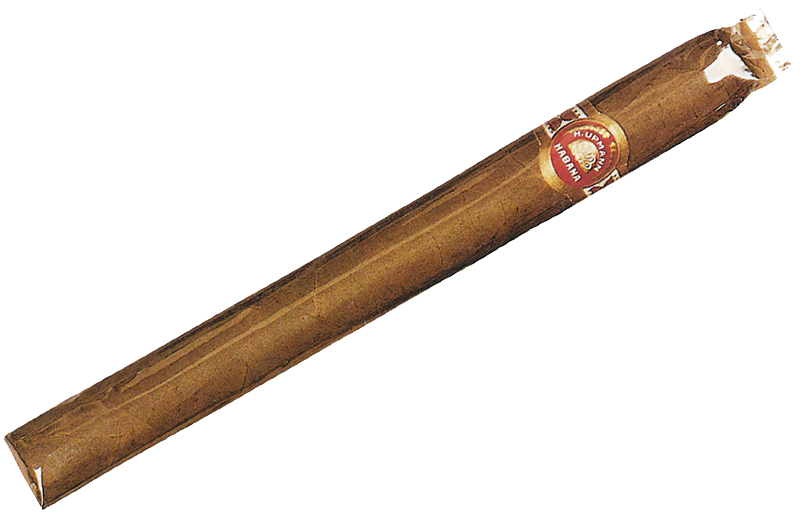
The Evolution and Security of the Cigar Band
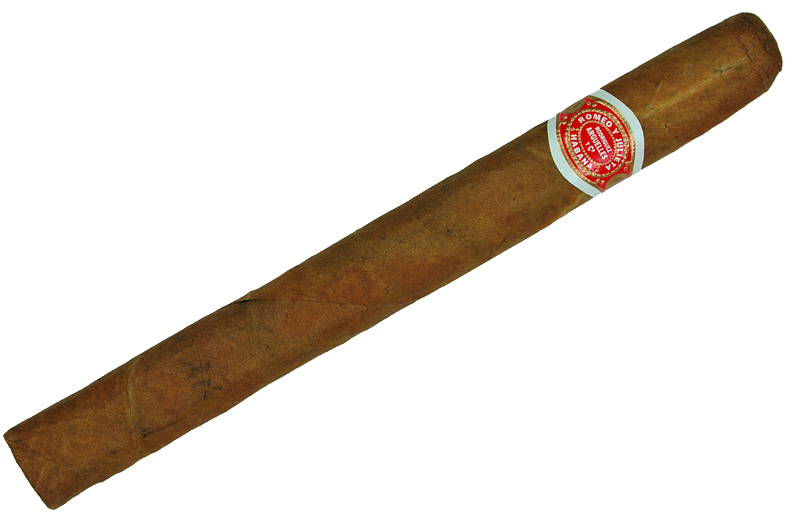
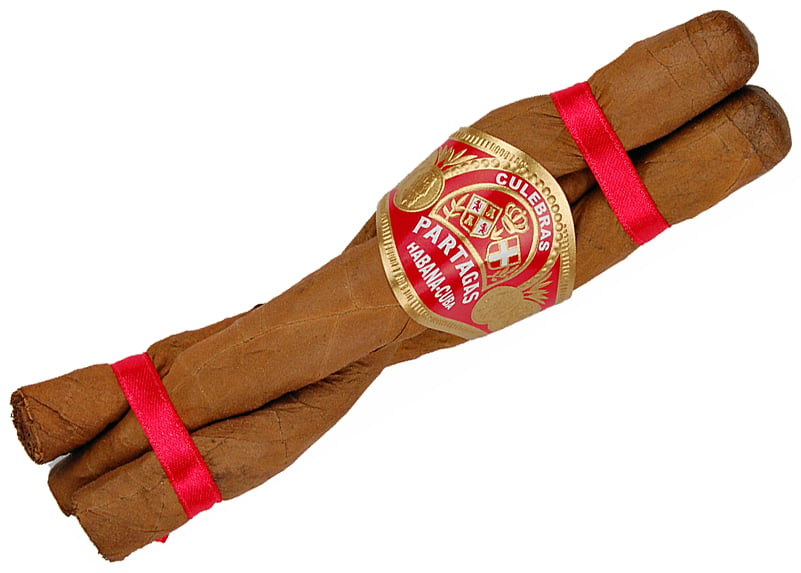
The cigar band, known in Spanish as the anilla, has served as a primary identifier for Cuban cigars since its introduction in the 1870s. While early packaging practices were inconsistent, the industry standardized the use of bands significantly over the last century. A major shift occurred in mid-2006, when regulations mandated that every single Cuban cigar must carry a band, eliminating the previous practice of selling unbanded cigars from slide-lid boxes.
In the modern era, the role of the band has expanded beyond simple branding to include advanced anti-counterfeiting measures. Collectors should be aware of several key developments:
- Secondary Bands: Special edition and limited release vitolas frequently feature an additional band to denote their exclusive status.
- Foot Bands: Since 2016, it has become increasingly common for premium and special release cigars to be wrapped with a band around the foot, offering an extra layer of distinction.
- High-Tech Security: Modern designs are sophisticated, incorporating elements such as holograms, micro-printed text, unique serial numbers, and inks that fluoresce under ultraviolet light.
Individual Wrappings: Function Meets Tradition
Beyond the band, the material encasing the cigar itself speaks volumes about its history and intended smoking experience. Manufacturers have utilized various materials over the decades to balance protection, aging potential, and presentation.
Cellophane and Foil
The use of cellophane began in the mid-1930s and remained a standard for decades, even protecting prestigious brands like Cohiba until the early 1990s. Today, however, the material is rarely seen on hand-rolled cigars. Its use is now almost exclusively reserved for machine-made Puritos produced by ICT. Conversely, aluminium foil has a history dating back to the 1920s. While cost-cutting measures saw true aluminium replaced by cellophane in the 1940s, modern "foil" wrappings are actually composed of an aluminium-based paper. These are available in natural silver or gold hues, sometimes featuring embossed artistic patterns.
Cedar and Tissue
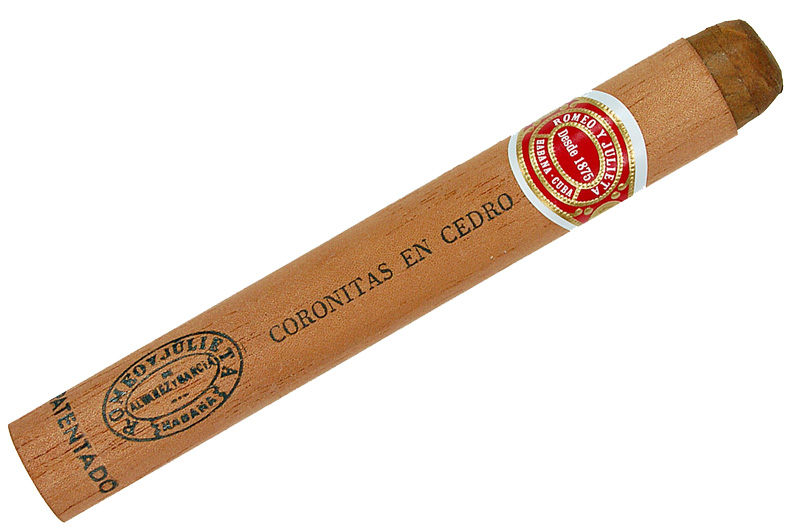
Spanish cedar serves a dual purpose: it physically protects delicate wrappers and imparts a distinct aromatic quality to the tobacco. This treatment is reserved for select vitolas, acting as a badge of distinction. In stark contrast is the delicate tissue wrapping, a tradition currently preserved solely by the Fonseca brand. This thin paper offers minimal physical protection and must always be removed prior to lighting.
Tubed Presentations: Aluminium and Glass
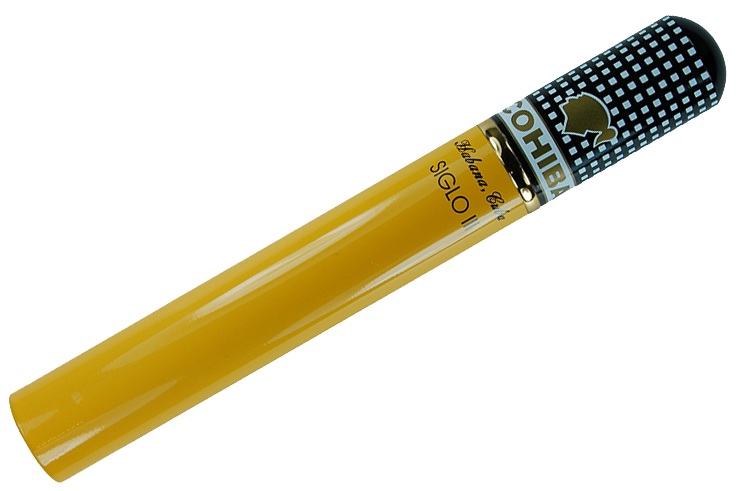
The innovation of storing cigars in tubes began in December 1933 with the H. Upmann brand. Although wartime shortages of aluminium in the late 1930s temporarily halted production, the tubes made a strong return by the 1950s. Modern iterations feature a screw-cap at the bottom and are lined with thin cedar to maintain the cigar's condition. Since 2006, Habanos S.A. has revitalized this format, introducing standard tubes in various colors alongside a premium twin-tube design.
Before aluminium became the standard, glass tubes enjoyed a brief popularity. Introduced in the mid-1940s and widely used through the 1960s, these containers utilized plastic push-in caps. However, by the mid-1970s, glass tubes were phased out entirely, making them a rare find for collectors of vintage memorabilia today.