
For the serious aficionado, the allure of a vintage Cuban cigar extends far beyond the smoke itself; it resides in the tangible history wrapped around the tobacco. Among the most storied names to emerge from Havana is Cifuentes, a brand whose legacy is intricately woven into the paper bands that once adorned its cigars. These small, circular pieces of printed art are not merely decorative—they serve as critical archaeological artifacts for collectors. Deciphering the subtle differences in these bands allows one to verify authenticity, determine production eras, and distinguish genuine articles from modern counterfeits. To understand Cifuentes is to understand the visual evolution of Cuban cigar manufacturing.
The Visual Language of Standard Bands
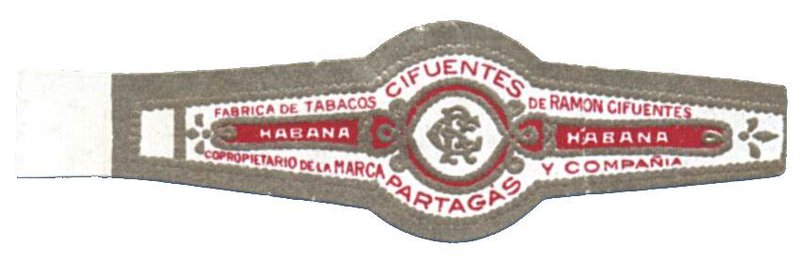
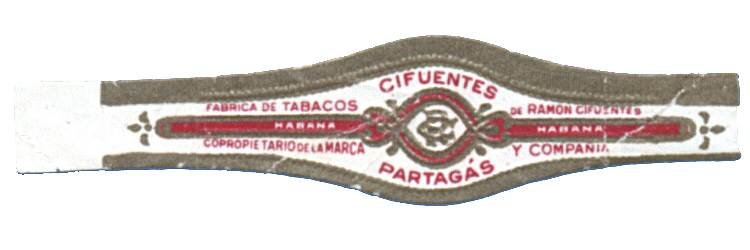
The brand primarily utilized two distinct standard band designs throughout its production history. These were not arbitrary artistic choices but rather functional components of the brand's identity, tailored to ensure that every cigar, regardless of size, carried the same air of prestige. For the modern collector, recognizing the specific characteristics of these standard bands is the first step in identifying a legitimate find.
The Primary Design: Band A
The most recognizable marker of the brand is known among historians as Standard Band A. This design was the flagship presentation for the line, intended for general application across the brand's portfolio. Its most defining characteristic was the use of embossing, a manufacturing technique that raised certain elements of the design to create a three-dimensional texture. This tactile quality was a hallmark of premium Cuban craftsmanship, signaling to the consumer that the cigar within was of high status. Because this specific design has been officially retired from production, any cigar found wearing a genuine Band A represents a rare piece of history. The presence of that raised relief is often a key indicator that the band is original and not a modern reproduction.
The Proportionate Design: Band B
While Band A served the standard lineup, the manufacturers recognized that a "one size fits all" approach did not work visually for every cigar. Standard Band B was developed specifically for vitolas with smaller ring gauges. On a thinner cigar, a standard band can look oversized and clumsy, disrupting the visual harmony of the smoke. Band B solved this by adjusting the proportions to ensure the design remained elegant on slimmer cigars. Like its counterpart, Band B also featured the signature embossed detailing. The discontinuation of this size-specific band highlights a shift in the industry, making surviving examples highly sought after by those curating comprehensive collections.
Specialized Bands for Unique Vitolas
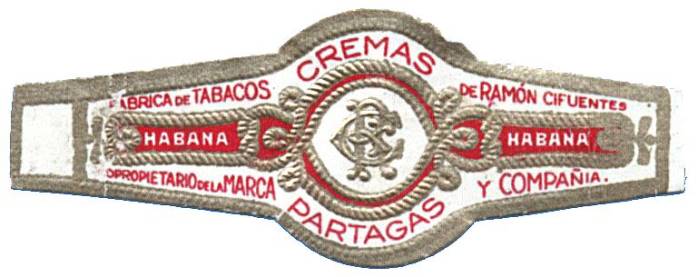
Beyond the standard classifications, the brand occasionally broke from tradition to issue custom designs for specific releases. The most notable example is the Early Custom Band created for the Cremas vitola. Emerging during the post-1960s era, this band provided a distinct visual identity for a specific cigar within the broader family. The decision to create a unique band for a single vitola allowed the brand to emphasize the individual character of the Cremas, setting it apart from the standard lineup. Collectors value these custom bands because they represent specific moments in the brand's timeline, offering a narrower window for dating the cigar compared to the long-running standard designs.
Authentication and Collector Significance
The reality of the modern cigar market is that vintage Habanos are frequent targets for forgery. Consequently, understanding the nuances of Cifuentes bands is an essential skill for authentication. The fact that all documented band designs—including both standard types and the custom Cremas band—have been discontinued serves as a significant advantage for the collector. A band currently in production should not appear on a vintage Cifuentes; the discontinuation provides a hard endpoint for dating.
- Embossing Analysis: The raised textures on Bands A and B are difficult to replicate cheaply. Authentic bands will have crisp, well-defined embossing, whereas counterfeits often appear flat or blurry.
- Size Consistency: Verifying that a smaller ring gauge cigar carries Band B (rather than Band A) helps confirm that the components have not been swapped or mismatched over the years.
- Design Specifics: The Early Custom Band for the Cremas serves as a distinct marker for post-1960s production, helping to rule out earlier or later fabrication dates.
Ultimately, these bands are more than packaging; they are a fingerprint of the Cifuentes brand. For the historian, they offer a reliable method to separate the authentic treasures of the past from the impostors of the present.