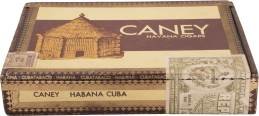
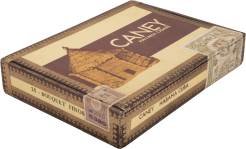
For the passionate aficionado of Cuban tobacco, few pursuits are as thrilling as the hunt for a "ghost" vitola—a cigar that existed for only a fleeting moment before vanishing from the global market. The Caney Bouquet Finos stands as a prime example of such an elusive artifact. While the Caney brand itself holds a respected place in the annals of Habanos history, this specific format remains a shadowy figure, prized not just for its flavor profile, but for the sheer improbability of finding one. It is a testament to a specific era of Cuban manufacturing, a time capsule from the 1970s that has become the Holy Grail for serious collectors.

A Short-Lived Legacy in Cuban Tobacco
The story of the Bouquet Finos is defined by its brevity. While many celebrated Cuban cigars enjoy production runs that span decades, this particular vitola experienced a remarkably short life cycle. The cigar was officially introduced to the market on the first day of January in 1970. It seemed destined to become a staple of the Caney lineup, but fate had other plans. Merely seven years after its debut, production was permanently ceased in 1977.
This truncated manufacturing window is the primary reason for the cigar's current mythical status. A seven-year run is minuscule in the grand scheme of Cuban cigar history, resulting in a finite supply that has only dwindled over the intervening decades. Unlike the ubiquitous export brands that flooded the global market during the same period, the Caney Bouquet Finos was produced in limited quantities, making any surviving box a rare archaeological find.
Dimensions and Construction Details
For the modern cigar enthusiast accustomed to the robust girth of contemporary formats, the Bouquet Finos offers a lesson in the elegance of the past. This cigar belongs to a category of vitolas that have largely fallen out of favor in the modern era, characterized by their slender build and refined proportions.
- Vitola Name: The factory designation for this specific size is Vegueritos.
- Length: It measures precisely 127 millimeters, or exactly 5 inches.
- Ring Gauge: At 37, the cigar is considerably thinner than today's standard robustos or toros.
- Weight: The official recorded weight stands at 6.10 grams.
This slender ring gauge was once the industry standard, designed to highlight the wrapper leaf's flavor and provide a more concentrated draw. While the specific construction methods and tobacco blends of the 1970s remain a mystery compared to modern transparency, the physical dimensions tell a story of a different smoking philosophy—one that favored elegance and finesse over raw power.
Presentation and Packaging Variations
Reflecting the branding traditions of its time, the Bouquet Finos utilized the standard "Band A" design associated with the Caney marque. The presentation was notably understated, lacking the flashy embossing or elaborate color schemes found on some modern limited editions. This no-nonsense aesthetic was typical of the era, signaling a product that relied on the quality of the tobacco rather than the allure of the packaging.
During its production years, consumers had the option to purchase the cigar in two distinct formats. The first option was a dress box containing 25 cigars, a standard presentation for serious smokers. Each of these cigars was individually sheathed in cellophane to protect the delicate wrapper leaf. Alternatively, Caney offered a more accessible option for casual consumers: cardboard packs containing five cigars. These smaller packs were also cellophaned, ensuring the cigars remained fresh until the moment of consumption. This dual-packaging strategy suggests the brand was attempting to cater to both the dedicated connoisseur and the casual smoker looking for a quick, high-quality smoke.
The Modern Collector's Challenge
Since the decision to halt production in 1977, the Caney Bouquet Finos has transitioned from a consumer product to a historical curiosity. The passage of time has been unkind to the surviving inventory; natural attrition, consumption, and the ravages of improper storage have decimated the population of available cigars. Today, locating an authentic example is a challenge that requires more than just deep pockets—it requires extensive networks and a considerable amount of luck.
For the cigar historian, the Bouquet Finos represents more than just tobacco; it is a symbol of a bygone era of Cuban production. The cigar serves as a reminder of the Caney brand's diverse portfolio and the shifting trends in consumer preferences over the last half-century. While it may be nearly impossible to experience this specific vitola today, its legend persists, fueled by the mystique of its short life and the enduring allure of vintage Cuban craftsmanship.