
From the smoky parlors of Havana to the display cases of modern collectors, the legacy of classic Cuban cigars lives on in the details that only the most attentive aficionados notice. Among these details, the paper bands that encircle each cigar act as silent witnesses to time, shifts in production, and the brand’s evolving identity.
The Appeal of Vintage Cuban Cigars
Collectors prize vintage Cubans not only for their flavor but also for the story each stick tells. The packaging, the tobacco blends, and especially the branding provide clues that help pinpoint the era in which a cigar was made. By learning to read these clues, enthusiasts can separate a true relic from a modern reproduction.
Caney’s Visual Journey: Band Designs Through the Decades
The Caney label has undergone several visual makeovers since it first appeared on the market. Early iterations featured simple, understated designs that later gave way to more elaborate artwork. Each redesign reflects both the tastes of the era and the manufacturing capabilities of the time. For anyone interested in dating a Caney cigar, the band is often the most reliable indicator.
Standard Band A: What It Tells You
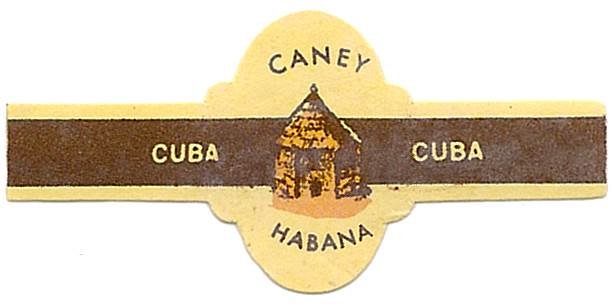
One of the most sought‑after markers among Caney enthusiasts is the band commonly referred to as Standard Band A. Its relatively short lifespan on the production line makes it a valuable chronological reference.
Key Characteristics
- Band Type: Standard Band A
- Era of Use: From the early 1970s up to 1977
- Printing Method: Flat, non‑embossed finish
- Visual Clues: Typically printed in two colors, with the brand name centered and a thin border line
The production window for Standard Band A spans roughly six to seven years, a narrow window that can dramatically narrow down the age of a cigar bearing this design. Because the band was created without any raised lettering or metallic foil, it feels smoother to the touch compared with later releases that sometimes incorporate embossing or gold‑leaf accents.
How to Authenticate a Caney Cigar Using Its Band
Authentication is more than just a visual check; it involves a combination of tactile inspection, knowledge of the brand’s timeline, and awareness of common counterfeiting tricks.
Inspection Checklist
- Feel the surface of the band. Standard Band A should be completely flat, with no raised elements.
- Examine the color palette. Authentic bands from the early‑70s era use muted reds and greens, while later versions may introduce brighter hues.
- Look at the alignment of the text. In genuine examples, the lettering is centered and evenly spaced; smudged or misaligned characters can signal a reproduction.
- Check the paper quality. Vintage bands are printed on a slightly porous paper that ages to a light tan; modern fakes often retain a stark white appearance.
- Compare the back of the band. Some legitimate bands reveal a faint watermark or a subtle pattern when held up to light.
Practical Tips for Collectors
If you’re building a collection of vintage Caney cigars, keep the following pointers in mind:
- Document each acquisition with photographs of the band, including both front and back views.
- Maintain a log of purchase date, seller information, and any provenance details.
- Store cigars in a humidor with stable humidity (68‑72 %) and temperature (65‑68 °F) to preserve the integrity of the paper bands