For aficionados of Cuban tobacco, few names evoke as much reverence as Bolívar. Among the brand’s storied lineup, the Prince Charles has become a quiet legend—a robusto that slipped quietly from production decades ago but still commands attention in collector circles. This compact smoke, bearing a regal name and a bold, full‑bodied character, offers a tangible link to an era when Cuban factories were shaping the very notion of premium cigars. In this guide, we explore the origins, technical makeup, historical milestones, and the enduring appeal that makes the Prince Charles a prized piece for any serious collector.

The Birth of a Regal Smoke
Long before the modern resurgence of boutique cigars, the Bolívar marque introduced the Prince Charles sometime in the late 1950s. The vitola was conceived as a robust, medium‑to‑large format that would appeal to smokers seeking a powerful yet balanced experience. Named in honor of the British royal heir, the cigar embodied a touch of aristocratic flair—a subtle nod to the cross‑Atlantic fascination with monarchy that resonated with certain circles of the Cuban market.
The Prince Charles was handcrafted in Cuban factories using time‑honored techniques. Its construction reflected the brand’s reputation for delivering a full‑flavored profile, with a rich, earthy core accented by hints of spice and a lingering finish. Though the cigar’s production run spanned more than a decade, it never achieved the widespread distribution of some of its siblings, which contributed to its mystique and rarity.
Why the Name Endures
Choosing a moniker tied to a real‑life royal figure was not uncommon among Cuban makers, but the Prince Charles stood out for its boldness. The association added a layer of prestige, suggesting that the smoke possessed the same dignified character as its namesake. For many smokers, the name alone sparked curiosity, prompting them to seek out the cigar and compare its reputation with the reality of its flavor.
Technical Profile
Understanding the Prince Charles means looking at its precise measurements and construction details. The cigar’s dimensions and packaging choices reflect the standards of its era while offering insight into the preferences of mid‑20th‑century Cuban manufacturers.
- Vitola: Robusto
- Length: 124 mm (approximately 4 ⅞ inches)
- Ring Gauge: 50
- Weight: 11.66 g
- Construction: Handmade
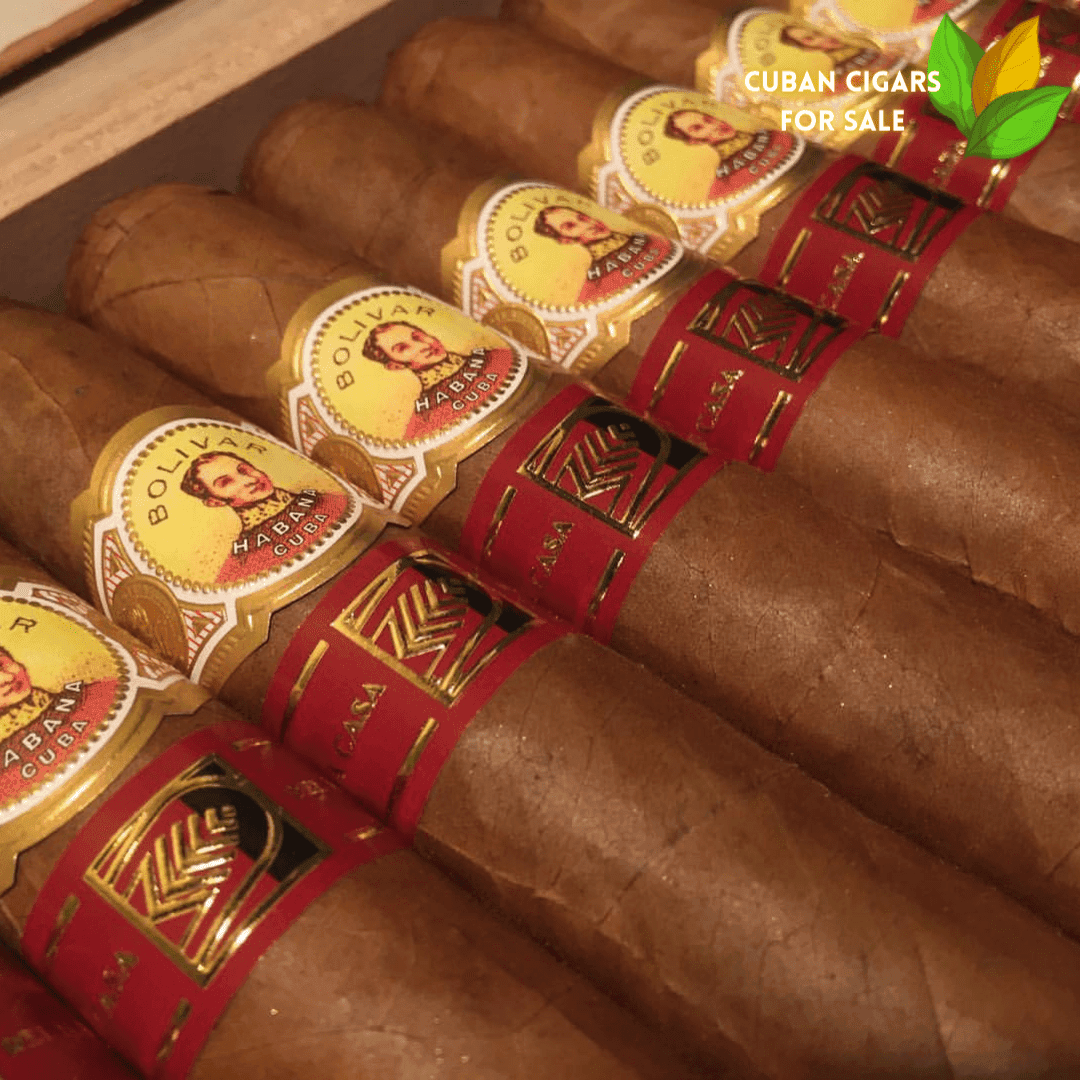
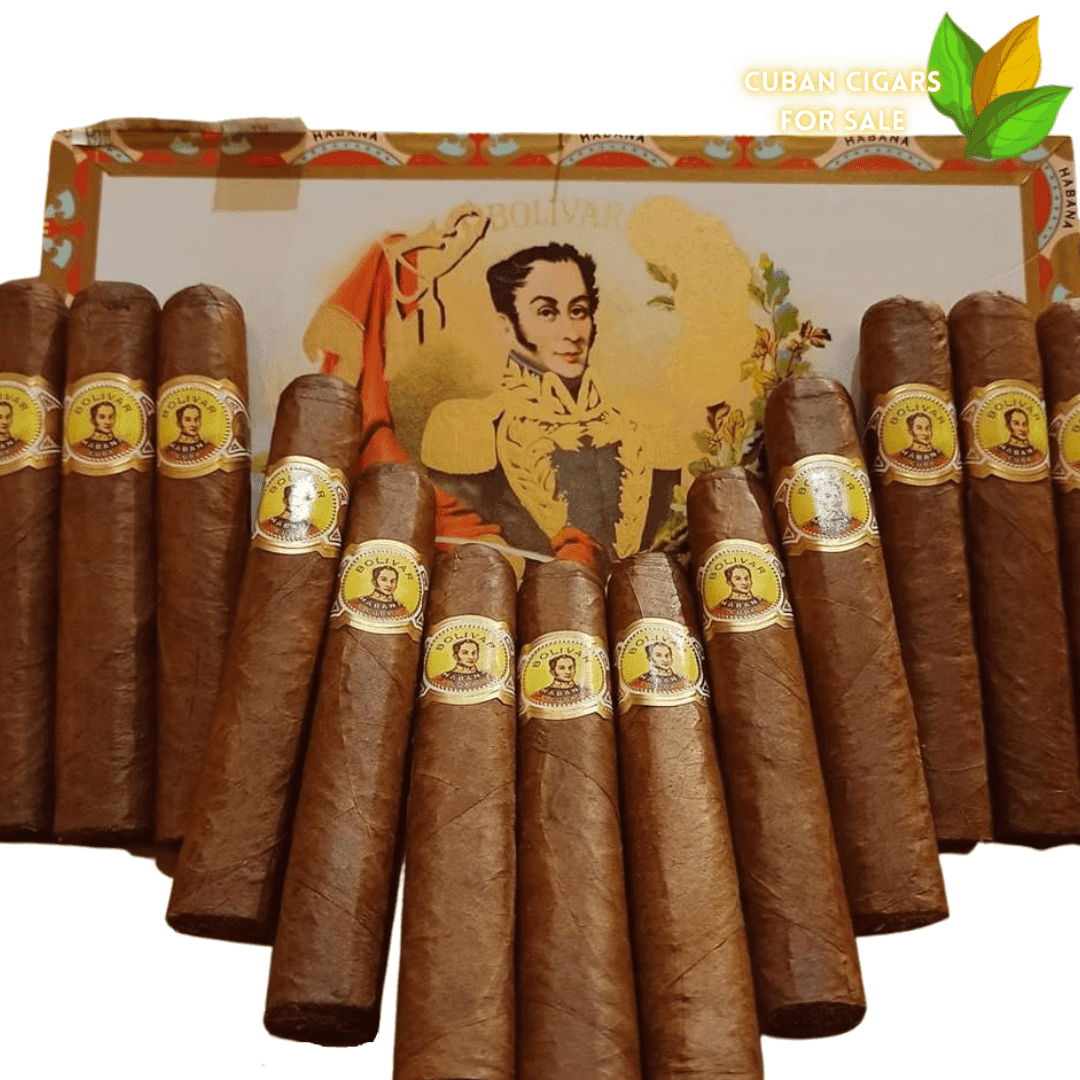
- Band: Standard Bolívar band
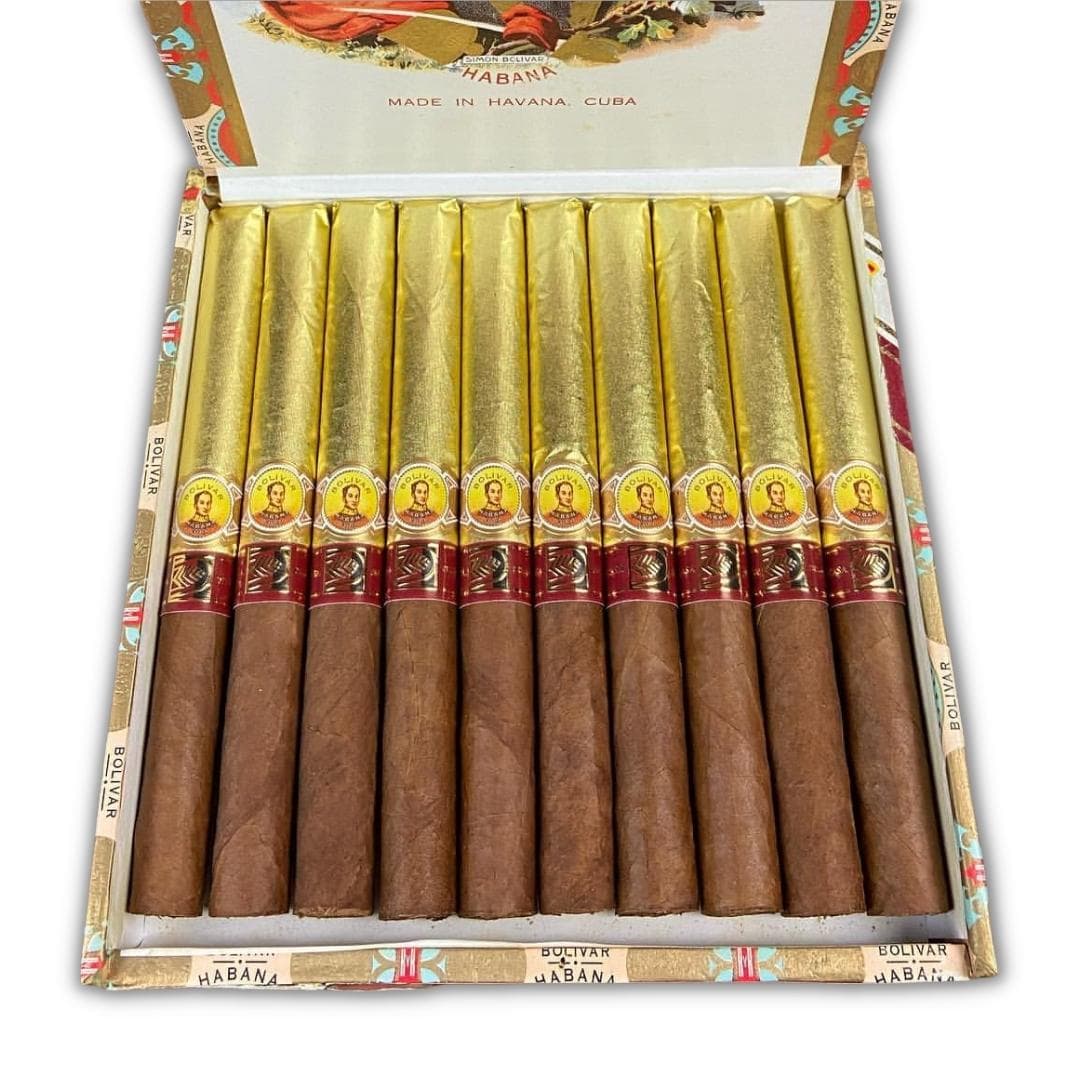
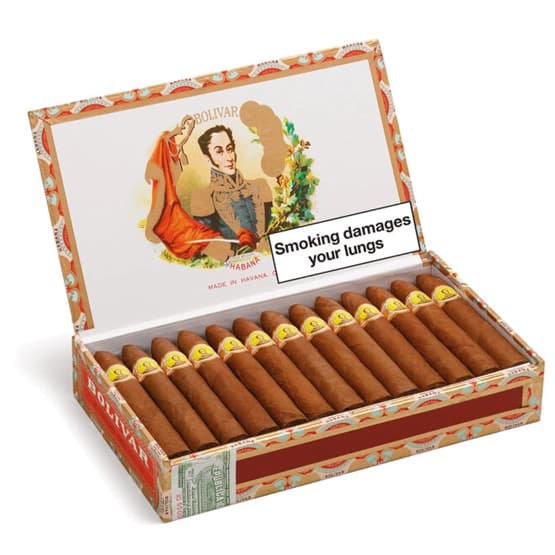
- Packaging: Semi‑boîte nature box containing 50 cigars
- Status: Discontinued in 1973
The combination of a 50‑ring gauge and a 124‑mm length places the Prince Charles squarely in the robusto family, a size that delivers a substantial smoking experience without the extended burn time of a corona or parejo. Its semi‑boîte nature packaging—essentially a wooden box with a hinged lid—preserved the cigars’ humidity and flavor during storage, a detail prized by collectors who aim to keep their pieces in optimal condition.
Historical Milestones
The timeline of the Prince Charles is marked by several key events that shape its legacy today.
Early Years (Pre‑1960)
Before the Cuban Revolution reshaped the industry, the brand was already experimenting with vitolas that would later become classics. The Prince Charles debuted in this formative period, quickly gaining a reputation among those who appreciated its robust character and elegant presentation.
Parallel Existence with the Royal Coronas
In 1969, Bolívar introduced another cigar known as the Royal Coronas, which shared the same physical specifications as the Prince Charles. The two were essentially identical in construction, size, and blend, differing only in their packaging: the Prince Charles arrived in boxes of 50, whereas the Royal Coronas were sold in more compact boxes of 25. For several years, both cigars coexisted, allowing retailers to cater to different market preferences. The larger box size of the Prince Charles appealed to merchants seeking to stock a bulkier, yet still premium, offering.
Discontinuation in 1973
As consumer tastes shifted and production resources were reallocated, the decision was made to retire the Prince Charles in 1973. The Royal Coronas continued, inheriting the vitola’s legacy and ensuring that the robusto format remained available under the Bolívar banner. The cessation of the Prince Charles effectively closed a chapter, leaving the remaining inventory to become rarer with each passing year.
Collectibility and Modern Legacy
Today, the Bolívar Prince Charles is a sought‑after gem among collectors. Its relatively brief production window, coupled with the fact that it was never reissued, means that surviving examples are increasingly scarce. Enthusiasts prize not only the cigar’s flavor—bold, earthy, with a subtle spice that lingers—but also the historical resonance it carries as a relic of pre‑revolutionary and early post‑revolutionary Cuban craftsmanship.
For those lucky enough to acquire a well‑preserved box, the experience is twofold: a chance to sample a slice of cigar history and an investment in a piece that may appreciate over time. The Prince Charles remains a testament to the artistry of Cuban torcedors, a reminder that even a short‑lived release can leave an indelible mark on the world of premium cigars.